Home Energy
Using less energy at home comes down to a few steady habits and a handful of smart upgrades, done in the right order. Start with the biggest uses, which in many homes are heating, cooling and hot water, then work down to appliances, electronics and lights. Free changes come first; purchases and bigger projects come later, when they make sense for your home and budget.
The guides below explain each step in plain language, with checklists, examples and something to do this weekend. We won't promise you a lower bill, because results depend on your home, your local rates, the weather and your habits. What we can do is help you focus on the switches most likely to matter, and skip the ones that don't.
 Energy Saving TipsA room-by-room checklist that starts with the biggest energy uses and works down to the small stuff.
 Home Energy AuditA DIY walk-through to find where your home wastes energy, plus what a professional audit adds.
 Lower Your Electric BillRead your bill line by line, understand your rate plan, and focus on the loads that matter most.
 Thermostat SettingsHow thermostat setbacks work, with sample winter and summer schedules that stay comfortable.
 Smart ThermostatsWhat a smart thermostat really does, who gets the most from one, and the privacy settings to check.
 LED LightingPick LED bulbs by lumens and color, match them to your fixtures, and dispose of old bulbs safely.
 Phantom PowerFind the devices that draw power while off, then cut standby use with strips, settings and habits.
 Insulation BasicsThe signs your home needs more insulation, how to check safely, and when to call a licensed pro.
 Weatherstripping & DraftsFind drafts around doors, windows and outlets, then seal them with weatherstripping, caulk and gaskets.
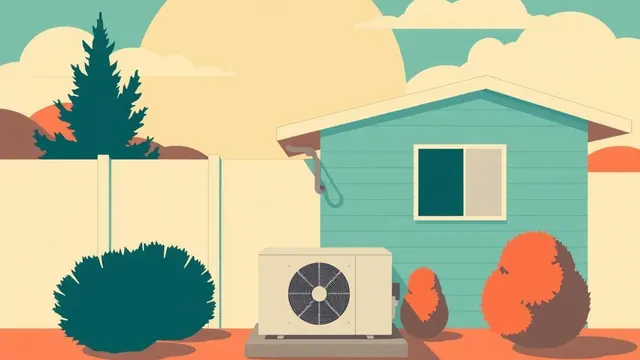 Heat Pumps ExplainedHow heat pumps move heat to warm and cool your home, the main types, and how to get good quotes.
 ENERGY STAR AppliancesWhat the ENERGY STAR label means, how to read the yellow EnergyGuide tag, and when to replace.
 Water Heater EfficiencySafe temperature settings, pipe insulation, maintenance and upgrades that help your water heater waste less.
Where to start
If you're new to home energy, here's a sensible reading order:
- Find out where your energy goes. A home energy audit walks you through a DIY check, and our guide on how to lower your electric bill explains each line on the bill.
- Make the free changes. The room-by-room energy saving tips checklist starts with the biggest uses, and our guide to thermostat settings explains the Department of Energy's setback guidance.
- Add easy, low-cost fixes. Swap your most-used bulbs with our LED lighting guide, cut standby loads with the phantom power guide, and seal gaps using weatherstripping and drafts.
- Plan bigger projects. Read insulation basics, heat pumps explained and water heater efficiency before you call contractors.
Free, low-cost and bigger projects
Not every switch costs money. This table sorts the topics in this section by what they usually take.
| Usually free | Usually low cost | Bigger projects, licensed pros |
|---|---|---|
| Thermostat setbacks | LED bulbs | Attic and wall insulation |
| Cold-water laundry | Smart power strips | Heat pumps |
| Shorter showers | Weatherstripping and caulk | New water heaters |
| Turning off electronics | Foam pipe sleeves | New circuits and wiring |
| Reading your bill | A smart thermostat, professionally installed | Gas appliance work |
Big projects involving wiring, gas lines, ductwork, insulation or heating and cooling equipment belong to licensed professionals with permits. Small plug-in projects and simple fixes like weatherstripping are fine to do yourself.
For renters
Renters can do more than you might think: thermostat schedules, LED bulbs, power strips, removable draft stoppers, window film kits and laundry habits all work without changing the building. For bigger fixes, a short, specific note to your landlord helps. Our guide to green living for renters has tips for that conversation, and if you're curious about solar without a roof of your own, solar for renters explains community solar and other options.
Reading labels without getting fooled
When you shop for appliances and bulbs, two labels are worth knowing. The ENERGY STAR mark shows a product met a government-backed efficiency program's requirements, and the yellow EnergyGuide label lets you compare estimated yearly energy use. Our guide to ENERGY STAR appliances explains both. Be wary of vague claims like "eco" or "green" on a box; our guide to greenwashing shows how to read a claim critically.
Energy, water and the bigger picture
Home energy and water use are connected, since heating water is often one of the larger energy uses in a home. Our Saving Water section covers showers, laundry and leaks. If you're thinking about where energy comes from, not just how much you use, the Solar & Backup Power section explains solar panels and backup power plainly, with no hype.
Free help first, then paid guides
You don't need to buy a program to make real progress. Utilities, state energy offices and federal programs offer audits, rebates and help with bills for eligible households, and those options change from year to year. Our Choosing Plans & Programs section explains where to find free help and how to judge a paid energy-saving guide or DIY plan before you spend money.
A note on money: these guides are general education, not financial or tax advice. Federal tax credits for home efficiency improvements ended after 2025, as our solar incentives guide explains, and state and utility incentives vary, so check IRS.gov, your utility and your state energy office, and talk to a tax professional.
Something to do this weekend
Pull up your last few utility bills and note which months were highest. Then walk through the room-by-room checklist in our energy saving tips guide and make two free changes before Sunday night.
Want a step-by-step plan or guide?
Some people like the structure of a paid guide or set of plans. This button opens a third-party program from one of our advertising partners. Its claims are its own, not ours, so weigh them against our checklist for judging paid plans.
See the partner program →We may be paid when you click. The program shown can change. Read its terms before you buy anything. How this works
Frequently asked questions
What is the first thing I should do to save energy at home?
Look at where your home uses the most energy, which for many homes is heating, cooling and hot water. Adjusting your thermostat schedule and water heater habits costs nothing and is a sensible first step.
Do I have to own my home to make energy changes?
No. Renters can change thermostat habits, swap bulbs, cut standby power, use removable draft stoppers and wash in cold water. Bigger projects like insulation or new equipment usually need the owner's approval.