How to Tell If Your Home Needs Insulation
Your home may need more insulation if some rooms are always too hot or too cold, walls and ceilings feel cold in winter, upstairs and downstairs temperatures are very different, or you can see the tops of the attic floor joists above the existing insulation. You can check for these signs yourself, but adding insulation is a job for a licensed, insured contractor, who can also seal air leaks first and handle any safety issues.
Insulation is one of the bigger projects in our Home Energy section, so this guide focuses on recognizing the need and preparing to hire well.
What insulation does
Heat moves from warm places to cool ones. In winter, heat leaves your home through ceilings, walls and floors; in summer, it moves in. Insulation slows that movement. It works alongside air sealing, which stops air from leaking through gaps. A home can have thick insulation and still feel drafty if air flows freely around it.
Insulation is rated by R-value, which describes how well it resists heat flow. Higher R-values insulate better. The right level for your home depends on your climate, the part of the house and local building codes, so let a professional or your local code office tell you what fits.
Signs your home may need more insulation
- Uneven temperatures. One room or floor is much warmer or cooler than others.
- Cold surfaces. Interior walls, ceilings or floors feel cold to the touch in winter.
- A system that runs a lot but still doesn't keep the house comfortable.
- Ice dams. Ridges of ice along the roof edge in winter can suggest heat is escaping into the attic and melting snow.
- Uneven snow melt. Snow melts off parts of your roof faster than on neighbors' roofs or other parts of yours.
- An older home that's never had an insulation upgrade.
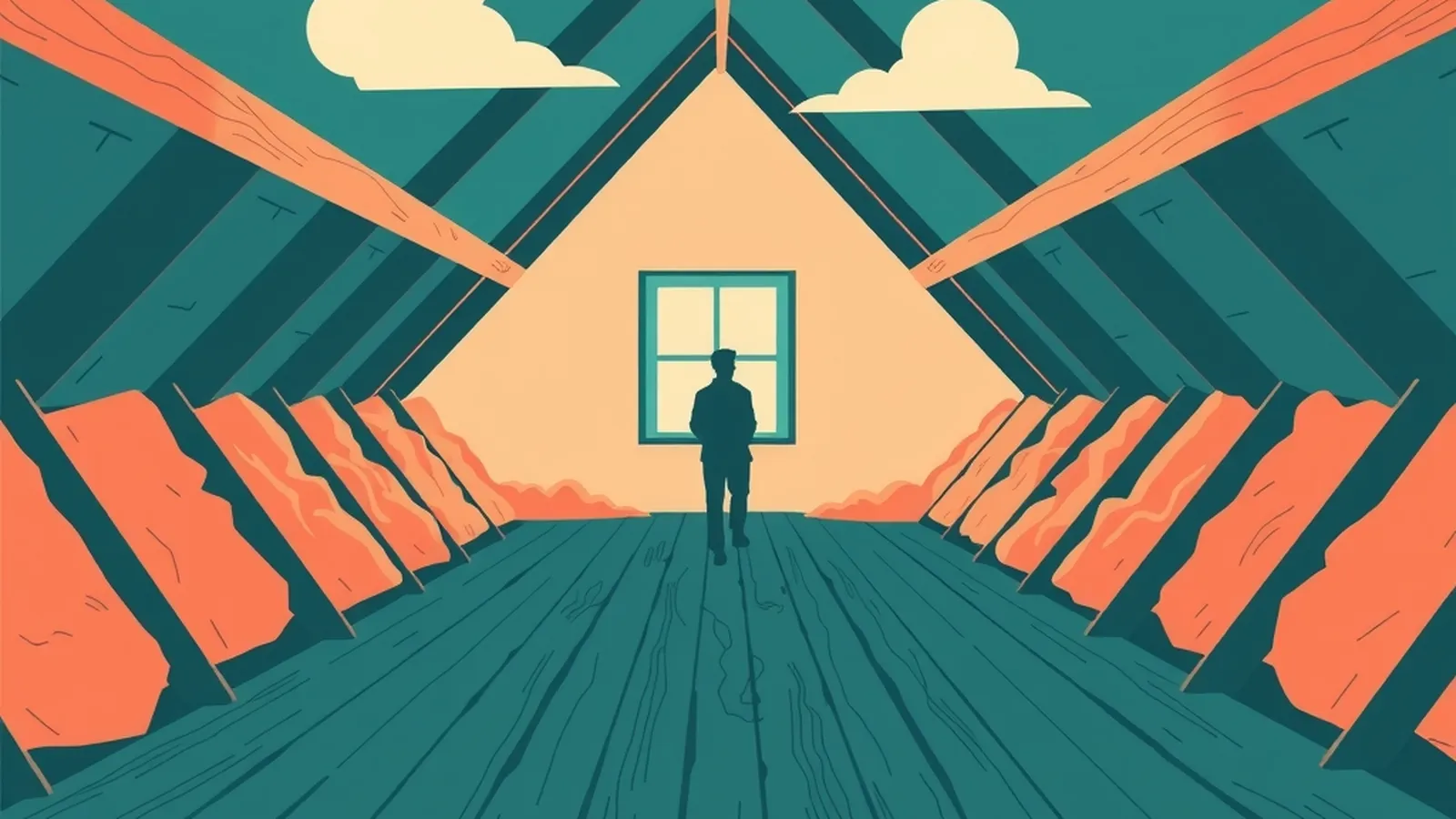
- Visible attic joists. If you can see the tops of the joists above the insulation, there may be room for more.
None of these proves you need insulation, but two or three together are worth a professional look.
Checking the attic safely
The attic is often the easiest place to check and one of the most common places to add insulation.
- Look from the hatch. Use a flashlight and a stable ladder. You often don't need to climb in.
- Note the depth. Is the insulation level with the joists, below them, or well above them?
- Look for gaps. Bare spots, insulation pushed aside by past work, or uncovered areas near the edges.
- Note the type. Fluffy loose fill, batts (rolled blankets), foam or something else.
- Watch for warning signs. Moisture stains, mold, pest droppings or damaged wiring are reasons to stop and call a pro.
Important safety warnings
- Don't disturb vermiculite. If you see loose, pebble-like insulation that's gray-brown or silver-gold, leave it alone. Some vermiculite contains asbestos. Have it tested by a qualified professional before anyone works in the attic.
- Stay on the joists. Stepping between them can break through the ceiling below.
- Watch for nails and wiring. Roofing nails poke through the roof deck, and wires may run across the attic floor.
- Wear protection. Gloves, long sleeves, eye protection and a well-fitted mask.
- Avoid extreme heat. Attics can be dangerously hot in summer.
Checking walls and floors
Walls are harder to check without opening them up. A few clues:
- Feel exterior walls on a cold day; noticeably cold walls may be thinly insulated.
- Notice whether an exterior-wall room feels drafty or noticeably colder than interior rooms, even with the door closed. Leave outlets and switches alone; a professional can check what's inside the wall.
- Check basements and crawl spaces for insulation along rim joists (where the floor framing meets the foundation) or under floors above unheated spaces.
A professional energy audit with a thermal camera can show where wall insulation is missing without opening the walls. Our guide to a home energy audit explains what that involves.
Air sealing comes first
Before adding insulation, gaps where air leaks through should usually be sealed. Common attic leaks are around light fixtures, plumbing vents, chimneys, the attic hatch and the tops of interior walls. Some of these fixes are DIY-friendly in living spaces, and our guide to weatherstripping and drafts covers them. Sealing near chimneys, flues and recessed lights needs fire-safe materials and is best done by your insulation contractor.
If your home has fuel-burning appliances, a tighter home can affect how they vent. Ask your contractor about combustion safety testing.
Hiring an insulation contractor
- Get several written quotes.
- Ask what's included: air sealing, attic hatch insulation, ventilation baffles, removal of old material, and cleanup.
- Check licenses and insurance as your state requires.
- Ask about permits and code requirements in your area.
- Ask what R-value they plan to add and why it fits your climate.
- Get the work and materials in writing.
Paying for it
Federal tax credits for home efficiency improvements ended after 2025, so don't count on one unless a tax professional confirms otherwise. Our solar incentives guide explains the change. Some utilities and states still offer rebates or audits, and the Department of Energy's Weatherization Assistance Program helps eligible lower-income households with efficiency improvements, including insulation. Learn more in our list of free resources for saving energy.
If you're tempted by paid guides that promise DIY insulation or energy projects, read our guide on how to judge DIY energy plans first. It covers safety, code notes and refund policies to check.
What else affects comfort
Insulation isn't the only piece. If your heating and cooling system is old and you're planning upgrades anyway, insulating and sealing first can affect the size of system you need; our guide to heat pumps explains why contractors should do a load calculation. And while you wait for quotes, small switches like cutting phantom power are easy ways to keep making progress.
Example: deciding to call a pro
Example: Avery noticed their upstairs bedroom was always cold in winter, and icicles formed along one side of the roof. From the attic hatch, they could see the tops of the joists and a bare patch near the eaves. They didn't climb in. Instead, they photographed what they saw, got three quotes that each included air sealing, and asked each contractor what they'd do around the old bathroom fan.
Something to do this weekend
On the next cold or hot day, walk through your home and note which rooms feel uncomfortable and which walls feel cold. Then look into the attic from the hatch with a flashlight and take photos. Those notes and photos will make your first conversation with a contractor much more useful.
Want a step-by-step plan or guide?
Some people like the structure of a paid guide or set of plans. This button opens a third-party program from one of our advertising partners. Its claims are its own, not ours, so weigh them against our checklist for judging paid plans.
See the partner program →We may be paid when you click. The program shown can change. Read its terms before you buy anything. How this works
Frequently asked questions
What are signs that a house needs more insulation?
Common signs include rooms that are hard to heat or cool, walls and ceilings that feel cold in winter, big swings between rooms or floors, ice dams on the roof, and attic floor joists that are visible above the insulation.
Should I insulate or seal air leaks first?
In most homes, sealing air leaks comes first, because insulation works best when air isn't moving through it. A professional can seal and insulate in one visit and check that fuel-burning appliances still vent safely.
Can I install insulation myself?
Insulation work involves attics, wiring, ventilation and sometimes hazardous old materials, so hiring a licensed, insured insulation contractor is the safer choice. They'll know local code requirements and permits.