Getting Around
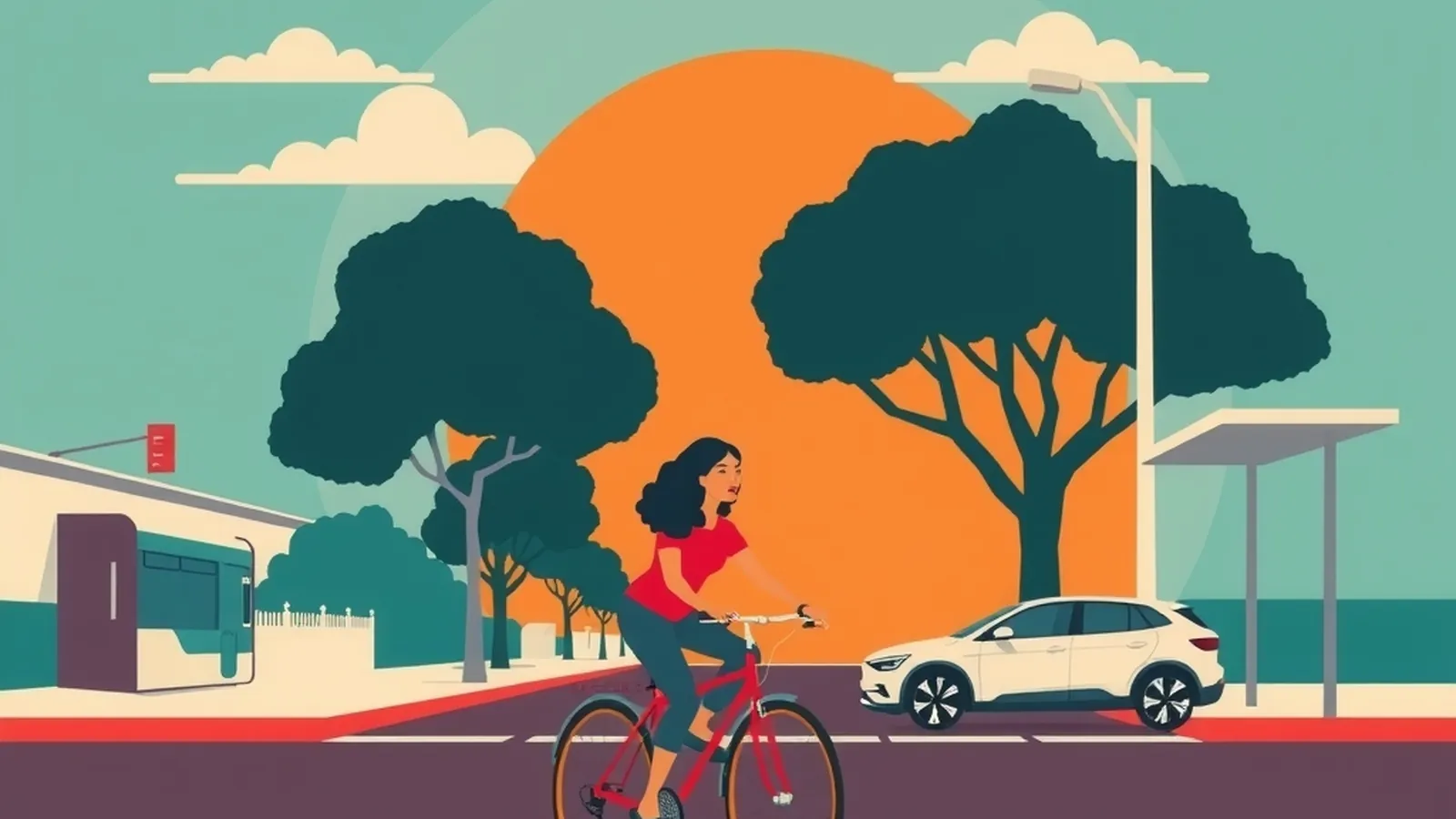
Getting around is one of the big parts of daily life where small switches add up, and you don't need a new car to start. The guides in this section cover the whole range: walking, biking and transit, sharing rides, driving the car you already have more gently, and, if you're shopping for a vehicle, how hybrids and electric cars compare and what home charging really involves.
We keep things practical. You'll find checklists, comparison tables, step-by-step instructions and something you can try this week. We won't promise you'll save a certain amount on gas or charging, because that depends on your vehicle, where you live, local fuel and electricity prices and how you drive. What we can do is help you see your options clearly and choose what fits.
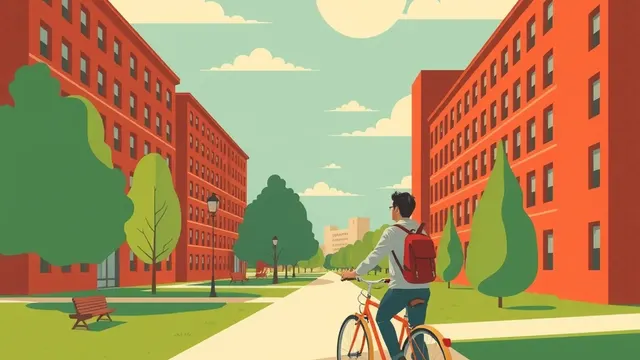 Greener CommuteWalk, bike, ride, share or stay home: how to pick the greener commute options that fit your week.
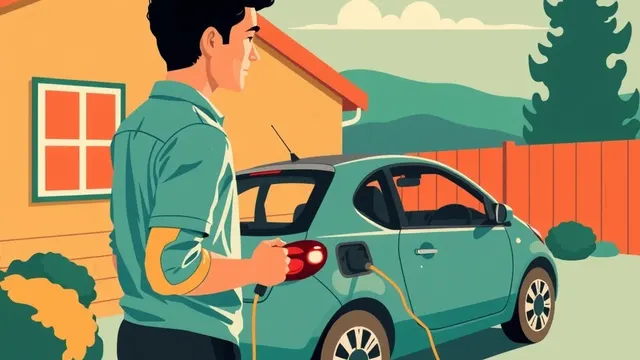 Electric Cars ExplainedHow EVs work, what range and charging really mean day to day, and the questions to ask before you buy.
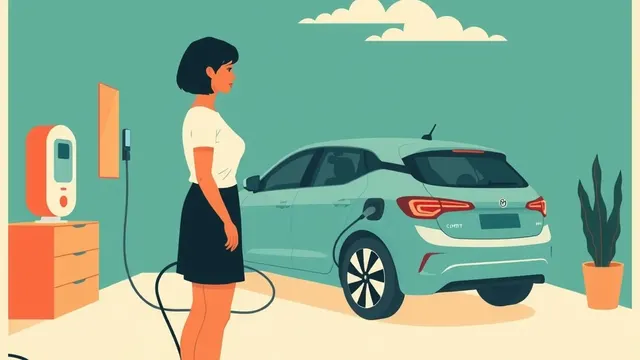 Home EV ChargingLevel 1 or Level 2, electricians and permits, and rate plans: what home EV charging really involves.
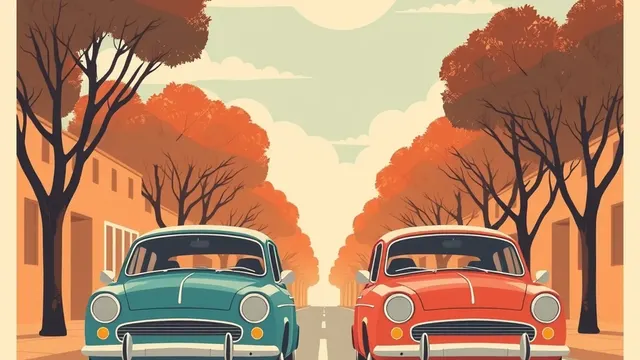 Hybrid vs ElectricHybrids, plug-in hybrids and EVs compared plainly, so you can match the car to how you actually drive.
 E-BikesHow e-bikes work, the rules and gear to know, and how to choose and care for a safe battery.
 Fuel-Efficient DrivingSmooth driving, less idling, lighter loads and smarter trips: simple ways to help any car use less fuel.
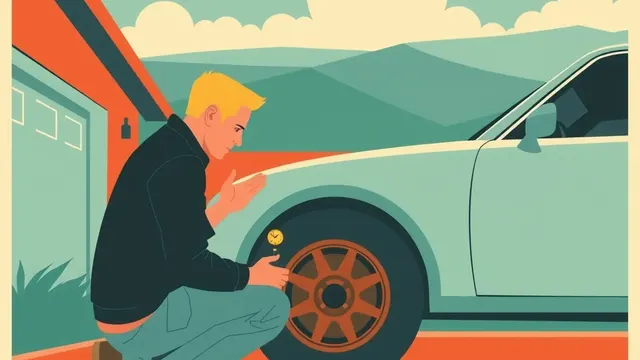 Tire PressureFind your car's right tire pressure, check it monthly when cold, and keep your tires safer and longer lasting.
 Carpooling & TransitHow to find transit routes, start a carpool that works and ask your employer about commuter benefits.
 Green TravelFewer, longer trips, trains and buses, packing light and thoughtful lodging: travel tips that fit real life.
Where to start
If you're not sure which guide to read first, here's a sensible order based on what most people can change soonest:
- Look at your regular trips. The greener commute guide walks you through your weekly travel and helps you match each trip to a realistic option.
- Care for the car you have. Checking tire pressure takes a few minutes, and fuel-efficient driving covers the habits that help any gas car go further.
- Share the ride. Carpooling and transit explains how to find routes, set up a carpool and ask your employer about commuter benefits.
- Thinking about a new vehicle? Read electric cars explained, then hybrid vs electric and home EV charging before you shop.
- Try two wheels. E-bikes can replace some short car trips, with a few safety and battery basics to know first.
- Plan trips with less impact. Green travel covers trains, buses, packing light and choosing where to stay.
Match the option to the trip
There's no single right way to get around. The best choice depends on distance, weather, safety, cost and who's coming along. This quick table shows where each option tends to shine:
| Option | Often works well for | Things to think about |
|---|---|---|
| Walking | Short errands, nearby school or shop runs | Sidewalks, crossings, weather, what you need to carry |
| Biking or e-biking | Short to medium trips, commutes with bike lanes | Safe routes, secure parking, helmet, local e-bike rules |
| Transit | Commutes along a bus or rail line | Schedules, transfers, the first and last stretch |
| Carpooling | Regular commutes to the same area | Matching schedules, sharing costs fairly |
| Driving smarter | Trips where a car is the practical choice | Tire pressure, smooth driving, combining errands |
| Hybrid or electric car | Households replacing a vehicle anyway | Purchase cost, charging access, your typical driving |
Most households end up with a mix. Maybe you drive to the big grocery run, bike to the coffee shop and take the train downtown. That's not a failure to commit; it's just good planning.
Keep it realistic
Transportation choices are tied to where you live, where you work and what's available nearby. Someone in a dense city with frequent trains has different options than someone in a rural area where the nearest store is a long drive away. Neither person is doing it wrong. The goal is progress over perfection: find the one or two changes that fit your situation and build from there.
It also helps to see transport as part of the bigger picture. Our guide to carbon footprint basics explains how getting around fits alongside home energy, food and the things you buy, so you can focus your effort where it matters most to you.
Connections to the rest of your home
Some transport choices link closely to other parts of the house. If you charge an electric car or e-bike at home, your electricity use and rate plan matter, so the home energy saving tips guide is a useful companion. People who are curious about powering a car with rooftop panels can start with how solar panels work. And when an e-bike or scooter battery reaches the end of its life, battery disposal explains why it shouldn't go in the trash.
A note on money and incentives
Vehicle incentives and rules change often. Several federal clean energy tax credits ended in 2025, including the federal credit for electric vehicles acquired after September 30, 2025. Our solar incentives guide explains the federal changes, and IRS.gov and a tax professional can tell you what applies to you. State and utility programs vary, so check with your state energy office and your utility as well. Everything here is general education, not financial or tax advice.
If you're looking at paid guides or gadgets that promise big fuel savings, our Choosing Plans & Programs section explains how to judge them and where to find free, trustworthy help.
Want a step-by-step plan or guide?
Some people like the structure of a paid guide or set of plans. This button opens a third-party program from one of our advertising partners. Its claims are its own, not ours, so weigh them against our checklist for judging paid plans.
See the partner program →We may be paid when you click. The program shown can change. Read its terms before you buy anything. How this works
Frequently asked questions
What is the easiest way to make my transportation greener?
Start with the trips you already take. Combining errands, checking your tire pressure, driving more smoothly and swapping one short car trip a week for walking, biking or transit are small changes most people can try without buying anything.
Do I need an electric car to get around more sustainably?
No. An electric car can make sense for some households, but walking, biking, transit, carpooling, fewer trips and careful driving all count, and many of them cost little or nothing. Pick the options that fit your life and budget.