Low Waste Living
Low-waste living means sending less to the trash and recycling bins by buying less, using things longer and putting what's left in the right place. You don't need a jar of a year's garbage or a pantry full of matching containers. You need a few habits that fit your week, plus a clear idea of what your local programs actually take.
The guides below start with the basics, move through the kitchen and the recycling bin, and end with the bigger-ticket ideas: repairing, buying secondhand and composting. Each one has steps you can try this week, and none of them asks you to throw out what you already own to buy "greener" versions.
 Low Waste for BeginnersAudit your trash, pick one swap and build from there. No perfect jar of garbage required.
 Plastic-Free SwapsKitchen, bathroom and on-the-go swaps, and why using up what you already own comes first.
 Reusable Bottles & BagsSteel, glass or plastic? How to choose, clean and actually remember your bottle and bags.
 Reducing Food WasteWhat date labels really mean, how to store food so it lasts, and easy ways to use up leftovers.
 Meal Planning for Less WasteA flexible weekly template, a smarter shopping list and easy ways to use up scraps.
 Recycling RulesCheck your local list, keep items clean and dry, and skip the "just in case" wishcycling.
 Plastic Recycling NumbersThe numbers 1 to 7 tell you the plastic type, not whether your town recycles it.
 Recycling ElectronicsWipe your data, donate what still works and use a certified recycler for the rest.
 Battery DisposalWhy lithium-ion batteries never belong in the trash, how to tape terminals and where to drop them off.
 Repair and ReuseSimple fixes, repair cafes and basic mending to keep the things you own working longer.
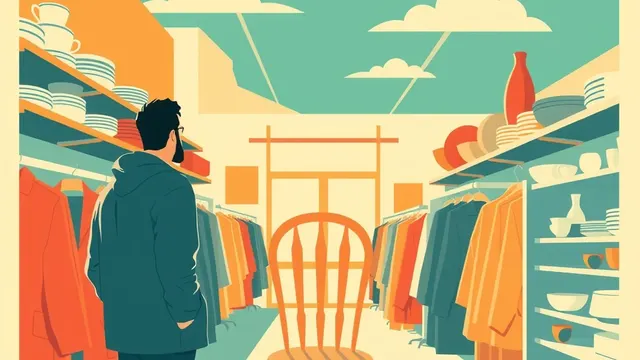 Secondhand ShoppingThrift stores, buy-nothing groups and online listings, plus quality and recall checks before you buy.
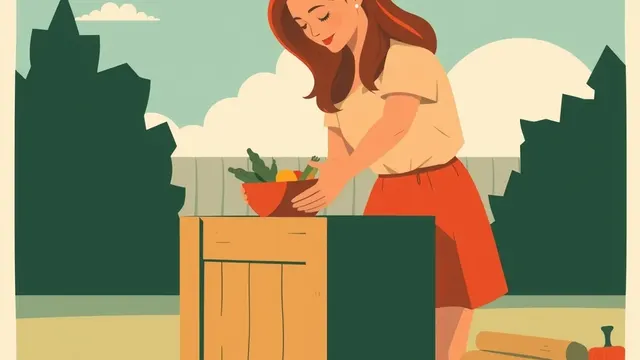 Composting Food ScrapsBackyard bins, worm bins and city pickup: how to pick a method and keep it simple.
Where to start
If you're new to this, here's a reading order that builds one habit on the next:
- Look before you change anything. Low waste for beginners walks you through a simple trash audit so you know what you actually throw away.
- Pick one swap. Plastic-free swaps and reusable bottles and bags cover the easy wins in the kitchen, bathroom and car.
- Tackle the fridge. Reducing food waste and meal planning for less waste help you buy what you'll eat and eat what you buy.
- Fix your recycling. How to recycle properly and what recycling numbers mean clear up the most common mix-ups.
- Handle the tricky stuff. Old phones and batteries need their own routes, covered in recycling electronics and battery disposal.
The order that matters
Most of the waste you'll ever avoid comes from not bringing it home in the first place. A rough priority list for any item:
| Step | What it looks like | Guide |
|---|---|---|
| Refuse or reduce | Skip freebies, buy only what you'll use | Low waste for beginners |
| Reuse | Refill, borrow, pass things on | Reusable bottles and bags |
| Repair | Mend, glue, replace a part | Repair and reuse |
| Buy used | Thrift, swap, buy-nothing groups | Secondhand shopping |
| Recycle | Clean, dry, accepted items only | Recycling rules |
| Compost | Food scraps and yard trimmings | Composting food scraps |
Recycling sits near the bottom on purpose. It's useful, but it still takes energy and depends on local markets. Our reduce, reuse, recycle guide explains why that order holds up.
Safety notes worth knowing up front
A few low-waste topics come with real safety rules, not just preferences:
- Lithium-ion batteries from phones, laptops, e-bikes and power tools should never go in your trash or curbside bin because they can start fires in trucks and sorting centers. The battery disposal guide explains where they go instead.
- Food dates are mostly about quality, not safety, but that doesn't make old food safe. When in doubt, throw it out. The food waste guide covers the details.
- Old devices can hold personal data. Wipe them before you donate, sell or recycle, and use a certified electronics recycler for anything that no longer works.
Low waste on a budget
Done well, this section should cost you less, not more. Using up what you own, planning meals, repairing and buying used tend to save money, though results depend on your household and habits. Be wary of shiny "zero waste kits" that ask you to replace everything at once. Our green living on a budget guide has more no-cost ideas, and reusable kitchen items helps when you're ready to buy something that lasts.
Marketing in this space can be slippery. Words like "eco-friendly" or "earth-safe" on a package often say very little. Our guide to spotting greenwashing shows you how to read a claim, and if a paid low-waste course or challenge is tempting you, Choosing Plans & Programs explains how to judge it and where to find free help first.
Something to do this week
Before your next trash day, peek in your kitchen bin and note the three things you see most. Don't fix anything yet. That short list will tell you which guide above to open first, and it gives you something to compare against a month from now.
Want a step-by-step plan or guide?
Some people like the structure of a paid guide or set of plans. This button opens a third-party program from one of our advertising partners. Its claims are its own, not ours, so weigh them against our checklist for judging paid plans.
See the partner program →We may be paid when you click. The program shown can change. Read its terms before you buy anything. How this works
Frequently asked questions
Do I need to go zero waste to make a difference?
No. Zero waste is a direction, not a test you pass or fail. Cutting one or two things you throw away every week, and keeping that up, matters more than a perfect month followed by burnout.
Why does recycling seem different in every town?
Each local program decides what it accepts based on its own sorting equipment and the buyers it has for materials. That's why the same yogurt cup might be welcome in one city and trash in the next, so always check your own program's list.