How to Do a Home Energy Audit
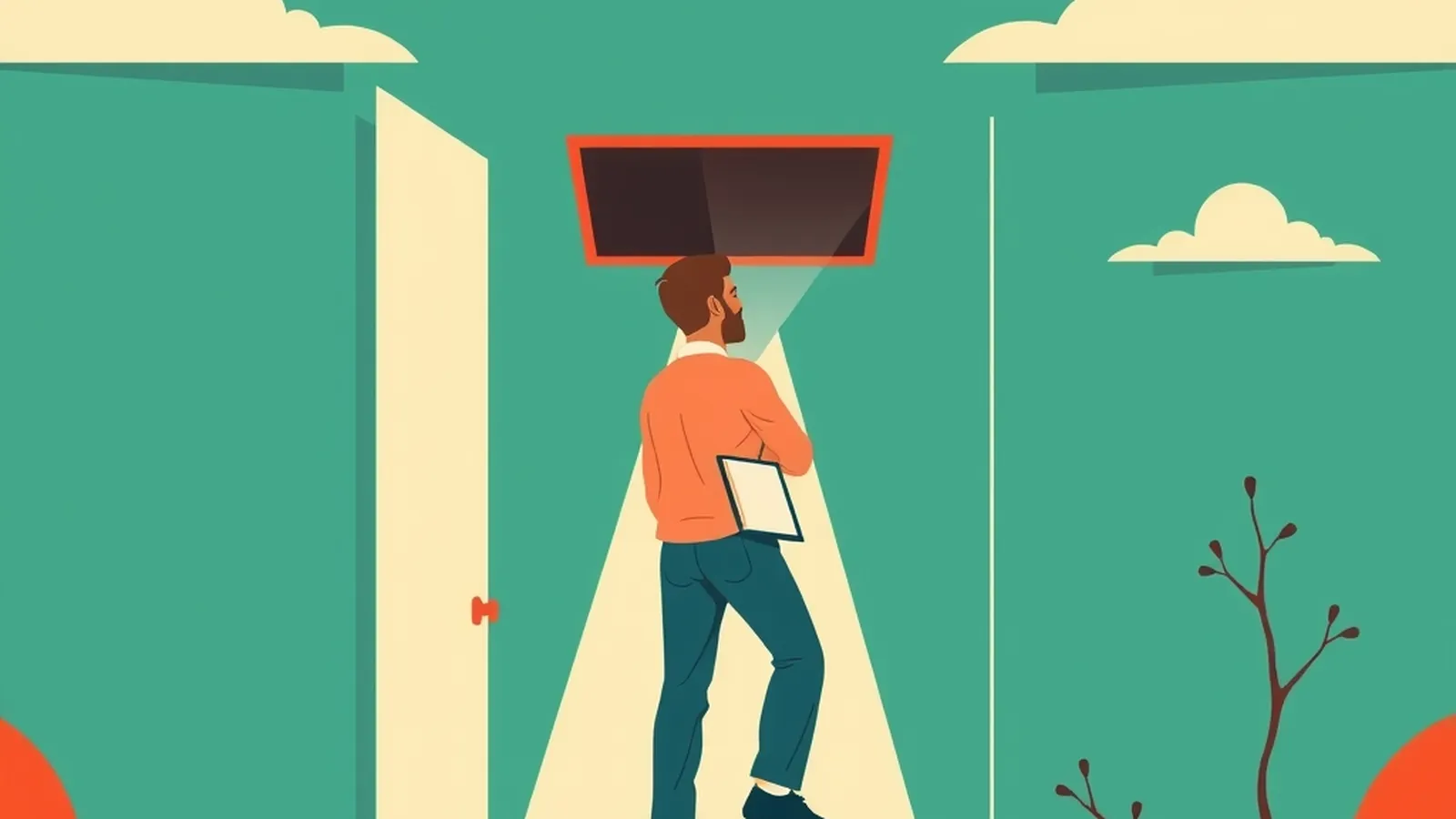
A home energy audit is a careful look at where your home uses energy and where it leaks it away. You can start with a free do-it-yourself walk-through using a notebook and a flashlight, then decide whether a professional audit, which uses special tools to measure air leaks and insulation gaps, is worth it for your home. Either way, the goal is a short, ranked list of fixes.
An audit is the best first step in our Home Energy section because it tells you which of the other guides matter most for your home. Here's how to do one.
Before you start: gather your bills
Pull up the last 12 months of electric and gas bills if you can. Most utilities let you download usage history from your online account. Look for patterns:
- Do your bills jump in winter, summer or both? That points to heating, cooling or both.
- Is usage high even in mild months? That can suggest water heating, an old appliance or always-on electronics.
- Did usage change after something in your life changed, like a new roommate or working from home?
Our guide to lowering your electric bill explains how to read each line on the bill, which helps you tell usage charges apart from fixed fees you can't change.
The DIY walk-through, step by step
Set aside an hour or two. Take notes as you go, and don't try to fix anything yet.
- Check the thermostat. What's it set to day and night? Is it programmed? Write it down, then compare with our thermostat settings guide later.
- Look for drafts. On a windy or cold day, hold the back of a damp hand near window frames, door edges, outlets on outside walls, and where pipes or wires enter the house. A cool breeze signals a leak.
- Look for daylight. Close exterior doors and look for light around the edges. Light means air can get through too.
- Check the HVAC filter. Note its condition and size. A dusty, gray filter needs changing.
- Peek into the attic if it's safe. Use a flashlight from the access hatch without climbing in. Can you see the tops of the floor joists? That can mean there's room for more insulation. If you see loose, pebble-like gray-brown insulation, don't touch it; some older vermiculite insulation can contain asbestos, so have a professional check it.
- Check the water heater. Note its age (often on a sticker), whether it feels hot to the touch, and whether nearby hot water pipes are insulated.
- List your big appliances. Fridge, freezer, washer, dryer, dishwasher. Note any that are very old, noisy or running constantly.
- Count always-on devices. Look for glowing lights, chargers and electronics left on standby.
- Note the light bulbs. Which fixtures do you use most, and are they LEDs yet?
- Check outside. Look for gaps around the foundation, damaged siding or caulk, and dryer vents that are blocked or missing their flap.
Turning your notes into a plan
Sort what you found into three groups.
| Group | Examples | Who does it |
|---|---|---|
| Free habits | Thermostat schedule, turning off electronics, cold-water laundry | You |
| Small fixes | Weatherstripping, door sweeps, LEDs, pipe sleeves, new filter | You, or your landlord if you rent |
| Big projects | Attic insulation, HVAC repairs or replacement, new water heater | Licensed professionals |
Do the free habits this week. Pick two or three small fixes for the next month. For big projects, get a professional opinion first. Our room-by-room energy saving tips can fill in ideas for any room where your notes felt thin.
What a professional audit adds
A trained energy auditor can find things a walk-through misses. Professional audits vary, but often include:
- A blower door test. The auditor fits a powerful fan into an exterior door to lower the air pressure inside, which makes leaks easier to find and measure.
- Infrared camera scans. A thermal camera can show where insulation is missing or where air is slipping through walls and ceilings.
- Combustion safety checks. If you have gas or oil appliances, the auditor may check that they vent properly. This matters most when you plan to seal up a home.
- A written report. A good audit ends with a prioritized list of recommended improvements.
Before you hire anyone, ask what tests they perform, whether they're certified by a recognized training organization, whether they also sell the upgrades they recommend, and what the report will include. An auditor who also installs insulation isn't automatically a problem, but you should know so you can get other quotes for the work.
Utility and state programs
Many electric and gas utilities offer home energy audits, sometimes at reduced or no cost, and some offer rebates on the improvements that follow. These programs vary widely by utility and state and can change from year to year, so:
- Check your utility's website or call the customer service number on your bill.
- Look up your state energy office for statewide programs.
- If your household has a lower income, ask about the Department of Energy's Weatherization Assistance Program, which can provide efficiency improvements to eligible homes through local agencies. Our guide to free resources for saving energy explains how it works and how to apply.
Federal tax credits for home efficiency improvements ended after 2025, so don't count on one unless a tax professional confirms it. The details of those changes are in our solar incentives guide.
Example: an audit on a budget
Example: Sam and their partner bought an older house and noticed big winter gas bills. Their walk-through turned up a drafty attic hatch, a bare section of attic floor, and an unprogrammed thermostat. They programmed the thermostat that night and added weatherstripping to the attic hatch that weekend. For the attic itself, they called their gas utility, learned it offered a discounted professional audit, and booked one so the insulation work would be based on real measurements.
Safety notes
- Don't walk around in an attic unless you know where the joists are. Stepping between them can send your foot through the ceiling.
- Wear gloves, long sleeves and a well-fitted mask around insulation.
- Never seal around a furnace, water heater flue or chimney yourself. Leave combustion appliances to licensed HVAC professionals.
- Make sure you have working carbon monoxide alarms if you have any fuel-burning appliances. Our indoor air quality guide covers CO alarm basics.
Something to do this weekend
Download a year of utility bills and do the ten-step walk-through above. End with a list of three free habits, three small fixes and one question for a professional.
Want a step-by-step plan or guide?
Some people like the structure of a paid guide or set of plans. This button opens a third-party program from one of our advertising partners. Its claims are its own, not ours, so weigh them against our checklist for judging paid plans.
See the partner program →We may be paid when you click. The program shown can change. Read its terms before you buy anything. How this works
Frequently asked questions
What is a home energy audit?
A home energy audit is a check of how your home uses energy and where it loses it. You can do a basic walk-through yourself, or hire a trained auditor who uses tools to measure air leaks and find missing insulation.
Can renters do a home energy audit?
Yes. Renters can do the walk-through, note drafts, check appliances and lighting, and share the list with their landlord. Fixes to the building itself usually need the landlord's approval.
How do I find a professional energy auditor?
Start by asking your electric or gas utility whether it offers or recommends audits, then check your state energy office. Ask any auditor what tests they perform and what you'll get in writing afterward.