How Do Heat Pumps Work?
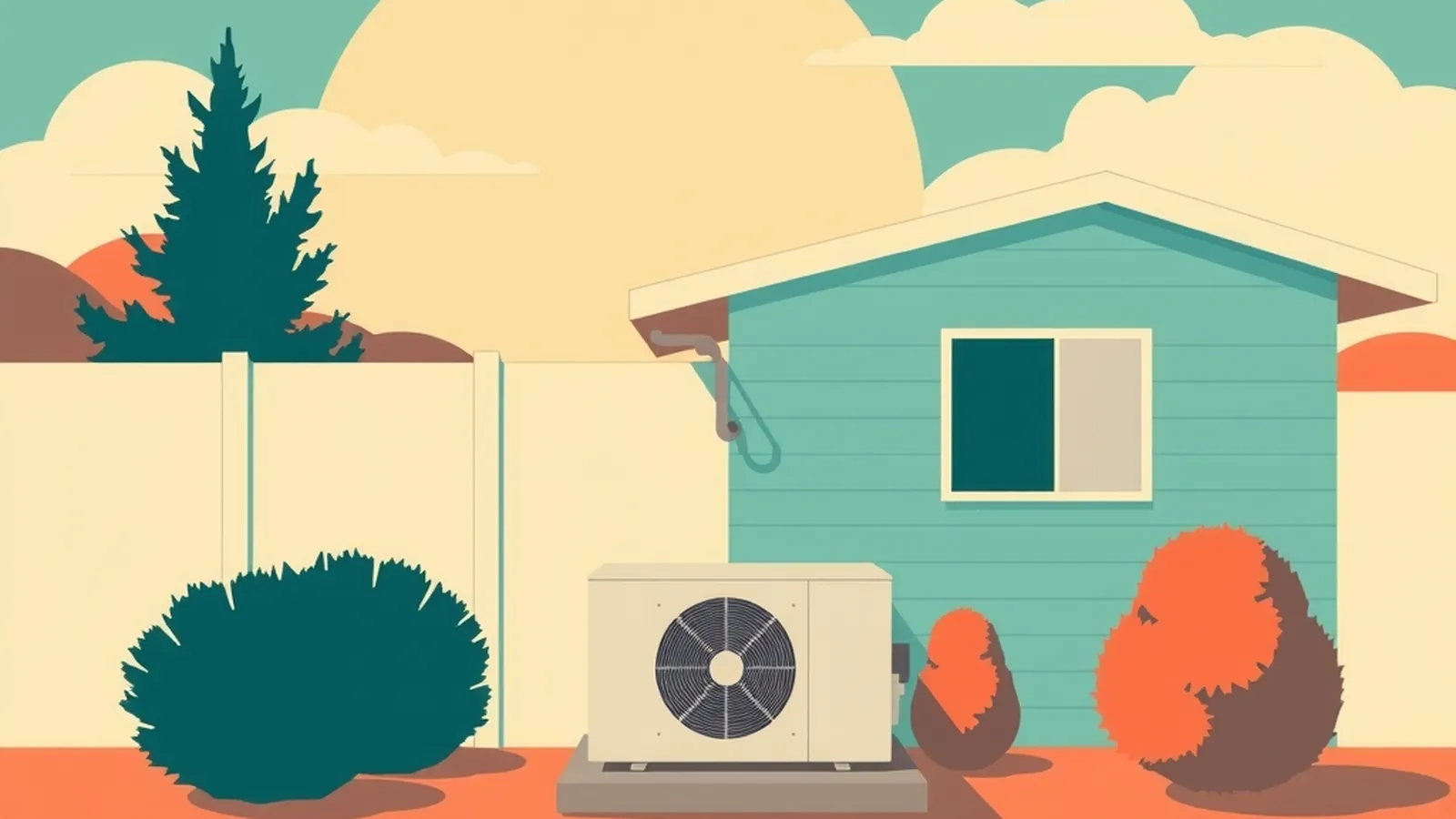
A heat pump heats and cools your home by moving heat instead of making it. In summer it works like an air conditioner, pulling heat out of your home and releasing it outdoors. In winter it reverses, pulling heat from the outdoor air, even when it's cold, and bringing it inside. Because it moves heat rather than burning fuel or using electric resistance to create it, a heat pump can be an efficient way to heat and cool many homes, depending on your climate, home and system.
This is the most technical guide in our Home Energy section, but you don't need to be an engineer to understand the basics or ask good questions.
How a heat pump moves heat
Your refrigerator is a kind of heat pump: it moves heat from inside the fridge to the room, which is why the back feels warm. A home heat pump does the same thing on a bigger scale.
- A refrigerant circulates between an indoor unit and an outdoor unit.
- On the cold side, the refrigerant evaporates and absorbs heat, even from chilly air.
- A compressor squeezes the refrigerant, which raises its temperature.
- On the warm side, the refrigerant releases that heat and condenses back into a liquid.
- A reversing valve switches the direction, so the system can heat in winter and cool in summer.
Fans move air across the coils, and a thermostat tells the system when to run.
Backup heat
Many heat pump systems include backup or auxiliary heat, often electric resistance strips or a furnace, for very cold days or quick warm-ups. Backup heat generally costs more to run, so it should kick in only when needed. That's one reason big thermostat setbacks can backfire with some heat pumps; our guide to thermostat settings explains how to adjust.
Main types of heat pumps
| Type | How it generally works | Often a fit for |
|---|---|---|
| Ducted air-source | Connects to existing ductwork, like central air | Homes with ducts in good shape |
| Ductless mini-split | An outdoor unit connects to one or more wall or ceiling units | Homes without ducts, additions, single rooms |
| Ground-source (geothermal) | Moves heat to and from the ground through buried loops | New builds or homes with land; usually a bigger project |
| Heat pump water heater | Uses the same idea to heat water | See our water heater guide |
Cold-climate models
Older heat pumps had a reputation for struggling in cold weather. Many newer models, often marketed as cold-climate heat pumps, are designed to keep providing heat at lower outdoor temperatures. How well any model works depends on your local winters, the home's insulation and air sealing, and correct sizing. Ask contractors for the model's heating performance at your area's cold temperatures, and whether they recommend backup heat.
What affects whether a heat pump fits your home
- Climate: how cold your winters and how hot your summers get.
- Your current system: whether you have ducts, a furnace in good shape, or electric baseboards.
- How well your home holds heat: drafty, thinly insulated homes need bigger systems. Sealing leaks first, as explained in our weatherstripping and drafts guide, can change the size you need.
- Electric service: some homes need electrical upgrades, which a licensed electrician handles with permits.
- Local energy prices: the relative price of electricity and gas or oil affects operating costs.
- Upfront cost and incentives: these vary widely.
No one can tell you whether a heat pump will lower your bills without looking at your home, rates and climate.
Getting quotes
This is where homeowners can make the biggest difference.
- Get at least three quotes from licensed, insured HVAC contractors.
- Ask for a load calculation. A good contractor calculates how much heating and cooling your home needs room by room, rather than matching your old system's size.
- Ask about cold-weather performance at your local winter temperatures.
- Ask about backup heat and how the thermostat will control it.
- Ask what's included: removal of old equipment, ductwork repairs, electrical work, permits, line sets, drain lines and a thermostat.
- Ask about warranties for equipment and labor, and who handles service.
- Check the efficiency information for each proposed model; ENERGY STAR certified heat pumps have met the program's requirements. Our guide to ENERGY STAR appliances explains the label.
- Get everything in writing, and don't sign under pressure.
Paying for it
Federal tax credits for home efficiency improvements, including heat pumps, ended after 2025. Our solar incentives guide explains what changed. Some states and utilities still offer rebates, and programs change often, so check with your utility and state energy office and talk to a tax professional. Our list of free resources for saving energy can point you to help if your household has a lower income.
Heat pumps and solar
Because heat pumps run on electricity, some homeowners pair them with rooftop solar. Whether that makes sense depends on your roof, sun, rates and local rules. If you're curious, our guide to how solar panels work explains the basics before you talk to installers.
Living with a heat pump
- Heat pumps often deliver steady, gentle warmth rather than blasts of hot air. Air from the vents may feel cooler than a furnace's, even when the room is warm.
- Keep the outdoor unit clear of snow, leaves and plants.
- Change or clean filters on the schedule in the manual.
- Schedule regular maintenance with a licensed technician.
- If you're switching from a gas furnace, keep your carbon monoxide alarms in place for any remaining fuel-burning appliances.
Example: comparing quotes
Example: Robin's old furnace and central AC were near the end of their life. They got three quotes for a ducted heat pump. One contractor quoted the same size as the old AC without measuring anything. The other two did a room-by-room load calculation, checked the ducts and asked about the electric panel. Robin chose between the two who measured, asking each how the system would handle their coldest winter weeks.
Something to do this weekend
Find the age and model of your current heating and cooling equipment, often on a sticker on each unit. Note whether you have ducts, and which rooms are hardest to keep comfortable. Bring that list to your first contractor visit, along with the questions above.
Want a step-by-step plan or guide?
Some people like the structure of a paid guide or set of plans. This button opens a third-party program from one of our advertising partners. Its claims are its own, not ours, so weigh them against our checklist for judging paid plans.
See the partner program →We may be paid when you click. The program shown can change. Read its terms before you buy anything. How this works
Frequently asked questions
Do heat pumps work in cold weather?
Many do. Heat pumps can pull heat from cold outdoor air, and cold-climate models are designed to keep working at lower temperatures. In very cold places, some homes keep a backup heat source. Ask local contractors what they recommend for your climate.
Is a heat pump the same as an air conditioner?
A heat pump works like an air conditioner in summer, moving heat out of your home. The difference is that it can reverse to bring heat in during winter, so one system can heat and cool.
Can I install a heat pump myself?
No. Heat pumps involve refrigerant lines, electrical work and permits, and they need correct sizing. Hire a licensed HVAC contractor, and get several quotes.