Solar & Backup Power
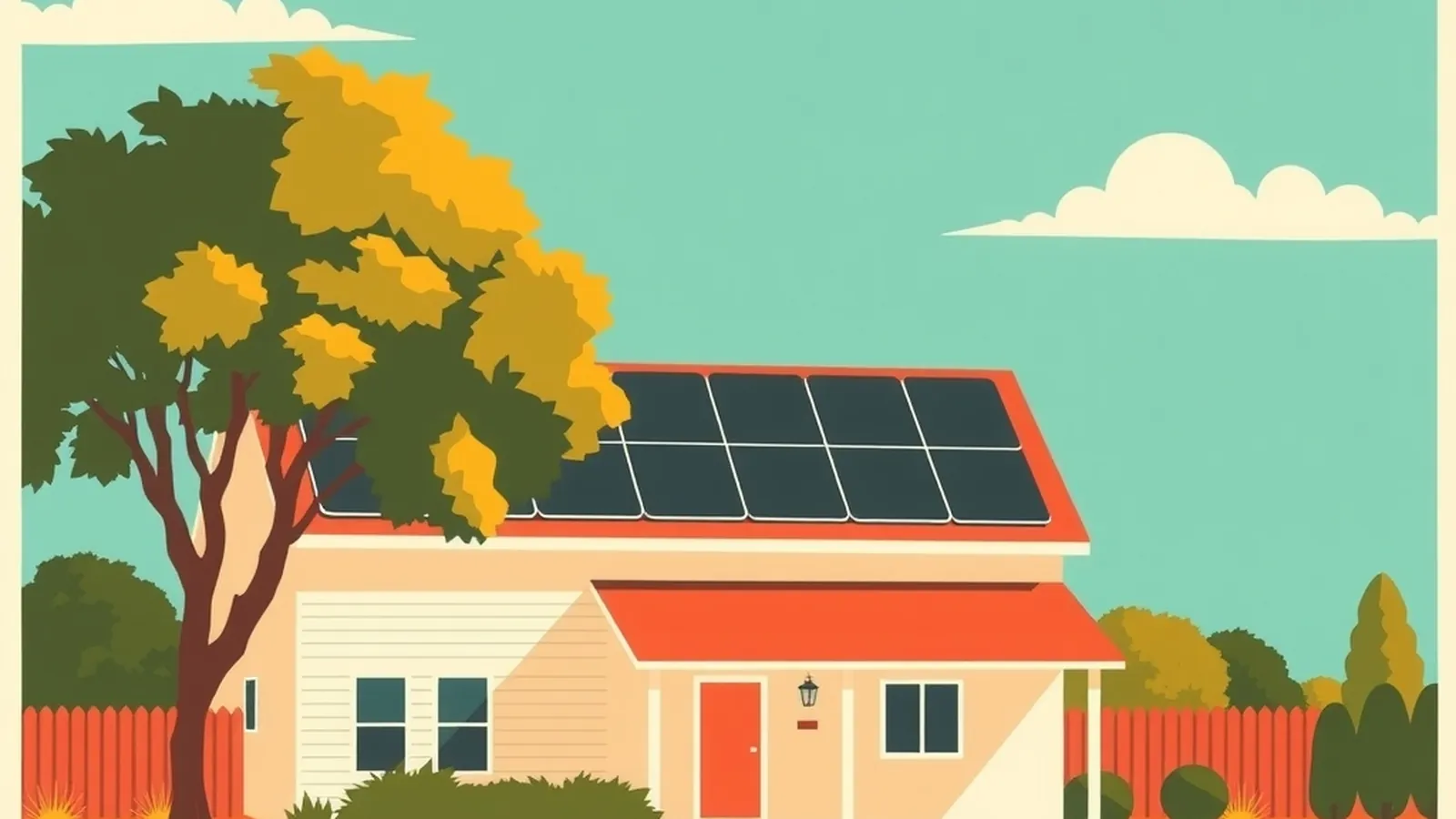
Solar and backup power can sound complicated, and the sales pitches don't help. The guides below explain how solar panels work, how to judge whether solar fits your home, what changed with tax credits, how to spot a bad deal, and what renters can do. They also cover backup power, from portable power stations to home batteries, so you're ready when the lights go out.
We won't promise you savings or energy independence. Whether solar makes sense depends on your roof, your sun, local electricity rates, utility rules and how long you'll stay, and we'll help you weigh those honestly. Rooftop solar, home batteries and anything connected to your home's wiring belong to licensed professionals with permits. Small, self-contained projects are where DIY fits.
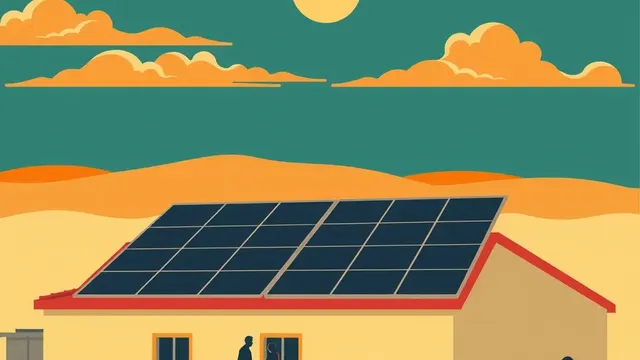 How Solar Panels WorkSunlight, solar cells, an inverter and the grid: the whole path from your roof to your outlets.
 Is Solar Worth It?Roof, sun, rates, rules and time in the home: how to judge solar for your situation without the sales pitch.
 Solar IncentivesThe federal home solar credit ended after 2025. Here's what that means and where to look for help now.
 Solar Installer Red Flags"Free" panels, fake government ties and sign-today pressure: how to spot a bad solar deal before you sign.
 Leasing vs Buying SolarCash, loan, lease or PPA: who owns the panels, who fixes them and what happens when you sell.
 Solar for RentersNo roof of your own? Community solar, portable panels and a landlord conversation can still get you started.
 Community SolarSupport a shared solar project and get credits on your bill, with no panels on your roof.
 Portable Power StationsWhat a portable power station can run, how to size one in watt-hours and how to charge it with solar.
 Home Battery BackupHow home batteries store solar power, keep key circuits running in outages and why installation is a pro job.
 Off-Grid BasicsPower, water, heat, rules and real tradeoffs: what off-grid living involves and how to start small.
 Small Solar ProjectsSolar lights, small panel kits and a sunny charging setup: hands-on projects that never touch home wiring.
Where to start
Pick the path that matches where you are:
- Just curious? Start with how solar panels work, which walks from sunlight to your outlets in plain steps.
- Thinking about rooftop solar? Read is solar worth it, then solar incentives for what changed with federal tax credits, and solar installer red flags before you talk to any salesperson.
- Comparing offers? Leasing vs buying solar explains cash, loans, leases and power purchase agreements side by side.
- Renting? Solar for renters and community solar cover options that don't need your own roof.
- Worried about outages? Portable power stations and home battery backup explain what each can run.
- Want hands-on projects? Small solar projects and off-grid basics start small and stay safe.
Solar, backup power and what each one does
People often mix these up, so here's a quick comparison:
| Option | What it does | Installation | Helps in an outage? |
|---|---|---|---|
| Rooftop solar | Makes electricity from sunlight for your home | Licensed installer, permits, utility approval | Usually not on its own |
| Community solar | Credits your bill for a share of a local solar project | None at your home | No |
| Portable power station | Stores power to run small devices | None | Yes, for small loads |
| Home battery | Stores power from solar or the grid for your home | Licensed installer, permits | Yes, for backed-up circuits |
A note on tax credits and money
Federal tax credits for home solar and energy efficiency improvements ended after 2025 under a federal law passed that year. State, local and utility programs vary widely and change often. Our solar incentives guide covers the details, and IRS.gov and a tax professional are the places to confirm anything for your own situation. These pages are general education, not financial, tax or legal advice.
Use less first
The cheapest kilowatt-hour is the one you never use. Before sizing any solar or battery system, it's worth cutting your home's energy use where you can. Our Home Energy section covers thermostat settings, sealing drafts, efficient appliances and how to read your electric bill. A smaller load can mean a smaller solar system, or a backup battery that lasts longer in an outage.
Safety comes first
A few rules hold across every page in this section:
- Licensed pros for anything wired in. Rooftop panels, home batteries, transfer switches and generator connections all need licensed installers or electricians, permits and inspections.
- Generators stay outside. Never run a generator, grill or other fuel-burning device in your home or garage, or near a window. Install battery-backup carbon monoxide alarms. Our guide to indoor air quality explains why.
- Dispose of batteries safely. Lithium-ion batteries from power stations and solar lights don't belong in the trash. See battery disposal.
- Take your time. Real offers don't vanish overnight. Pressure to sign today is a warning sign.
Prepping for outages beyond power
Backup power is one part of being ready for an emergency. Stored water is another. Our guide to emergency water storage explains how much to keep on hand and how to rotate it.
Free help and paid plans
You don't have to buy a course to understand solar. Your utility, your state energy office and federal programs offer a lot of free information, and some households qualify for free weatherization help. If you're considering a paid solar plan, DIY kit or off-grid guide, our Choosing Plans & Programs section explains how to judge one and where to find free alternatives first.
Something to do this week
Find out how your electric utility treats solar and whether it offers community solar or battery programs. A quick search of its website for "solar" usually turns up the answer. Write down what you find. Whether you end up with panels, a power station or simply a lower bill from using less, that page will point you to your next step.
Want a step-by-step plan or guide?
Some people like the structure of a paid guide or set of plans. This button opens a third-party program from one of our advertising partners. Its claims are its own, not ours, so weigh them against our checklist for judging paid plans.
See the partner program →We may be paid when you click. The program shown can change. Read its terms before you buy anything. How this works
Frequently asked questions
Is solar a good idea for renters?
Rooftop solar usually isn't possible without the owner's permission, but renters may be able to join community solar where it's offered, use a portable panel and power station, or talk to their landlord. Our solar for renters guide compares the options.
What's the difference between a portable power station and a home battery?
A portable power station is a self-contained battery you plug devices into, with no installation. A home battery connects to your electrical panel, can back up whole circuits and must be installed by licensed professionals with permits.