How to Make Your Water Heater More Efficient
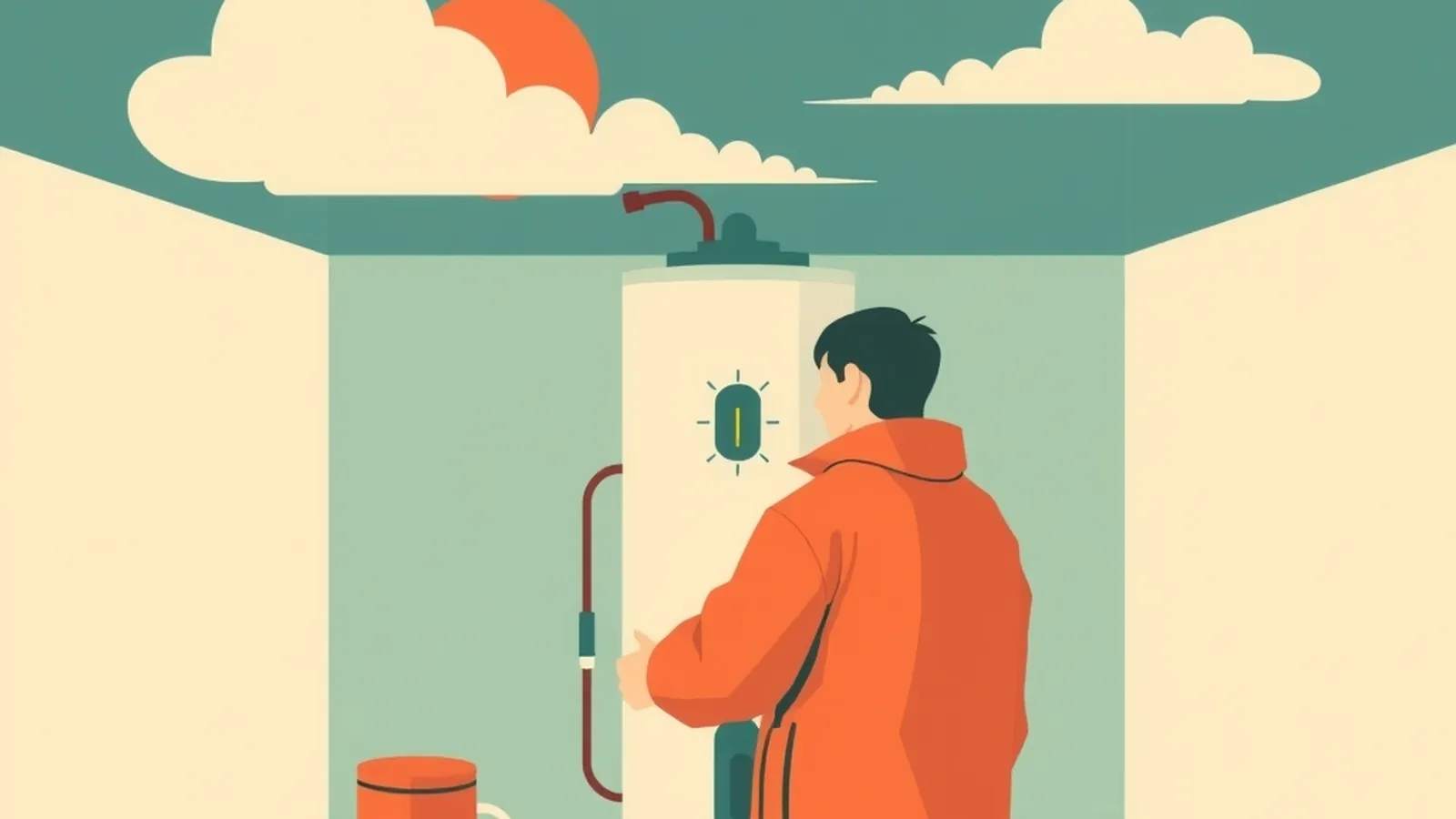
To make your water heater more efficient, set it to a comfortable but not overly hot temperature, insulate the hot water pipes you can reach, keep up with basic maintenance, and use less hot water in the shower, laundry and kitchen. When it's time to replace the tank, consider an efficient model, such as a heat pump water heater, installed by a licensed pro. How much any of this helps depends on your water heater, your household's habits and your local energy rates.
Water heating is often one of the bigger energy uses in a home, which is why it gets its own guide in our Home Energy section.
Know your water heater
Find the sticker or label on your tank. It usually lists the fuel type, capacity and model, and often a manufacture date.
| Type | How it generally works |
|---|---|
| Storage tank (gas or electric) | Keeps a tank of water hot at all times |
| Tankless (on-demand) | Heats water only as it flows through |
| Heat pump water heater | Moves heat from the surrounding air into a tank of water |
| Solar water heater | Uses the sun to preheat water, usually with a backup |
Most of the tips below apply to storage tanks, which are the most common.
Step 1: Check the temperature setting
A water heater set hotter than you need keeps a tank of very hot water ready around the clock and loses more heat through the tank walls and pipes. Very hot water can also cause scalds.
A common starting point is around 120 degrees Fahrenheit, which many households find comfortable. Your manufacturer's manual may recommend a specific range. If anyone in your home has a weakened immune system or other health concerns, ask a doctor or plumber what setting is right, since water that's too cool can raise other concerns.
How to adjust it safely
- Gas tanks usually have a dial on the gas control valve near the bottom of the tank. Follow the manual.
- Electric tanks usually have thermostats behind access panels, near live electrical parts. Turn off the power at the breaker before opening any panel, and follow the manual exactly. If you're not comfortable, have a licensed plumber or electrician do it.
- Test after a few hours by running hot water at the tap farthest from the heater, and adjust slowly.
Step 2: Insulate accessible hot water pipes
Foam pipe sleeves are an easy weekend project.
- Buy sleeves sized for your pipes.
- Cut them to length and slip them over the hot water pipes you can reach near the tank.
- Seal seams with the tape the product recommends.
- Keep insulation well away from the flue on gas water heaters and from any burner area. Follow the clearances in the product instructions and the heater manual.
What about tank blankets?
Some older tanks may benefit from an insulating blanket, while many newer tanks are already well insulated. Check the manual first, since some manufacturers advise against blankets. On gas heaters, a blanket must never cover the top, the flue, the burner access or the controls. If you're unsure, ask a licensed plumber.
Step 3: Keep up with maintenance
- Follow the manual's maintenance schedule. Many manufacturers recommend periodically draining some water to remove sediment, which can build up and make the heater work harder.
- Test the temperature and pressure relief valve only as the manual describes; the water is scalding hot.
- Watch for warning signs like leaks, rust-colored water, rumbling or popping sounds, or a pilot light that won't stay lit.
- Hire a licensed plumber for anything beyond simple checks, including anode rod replacement, gas line work or electrical repairs.
For gas water heaters, keep the area around the heater clear, and make sure you have working carbon monoxide alarms. For carbon monoxide alarm basics, see our indoor air quality guide.
Step 4: Use less hot water
The most efficient hot water is the hot water you don't heat.
- Take slightly shorter showers.
- Wash most laundry loads in cold water.
- Fix dripping hot water taps.
- Run full dishwasher loads, which can use less hot water than washing the same dishes by hand under a running tap.
- Consider a WaterSense-labeled showerhead or faucet aerator when replacing fixtures; our guide to low-flow fixtures explains the label.
Our guide to shower and toilet savings explains bathroom changes that save water, and since less hot water means less water heating, those changes help here too.
Step 5: Plan the replacement before it fails
Water heaters often get replaced in an emergency, when there's no time to compare options. If yours is getting older, plan ahead.
Heat pump water heaters in general
A heat pump water heater uses the same idea as a home heat pump: it pulls heat from the surrounding air and moves it into the water. In general, they:
- Need enough space and airflow around the unit.
- Cool and dehumidify the space they're in, which may be welcome in a warm garage or basement.
- Need a condensate drain.
- May need electrical work, which a licensed electrician should handle.
- Can be ENERGY STAR certified, as explained in our guide to ENERGY STAR appliances.
Whether one fits depends on your space, climate and the fuel you use now. Get quotes from licensed plumbers or contractors, and ask about permits.
Paying for it
Federal tax credits for home efficiency improvements ended after 2025; our solar incentives guide explains what changed. Some utilities and states offer rebates on efficient water heaters, so check with your utility and talk to a tax professional before you count on any incentive.
Example: a quick tune-up
Example: Quinn's gas tank was set quite hot, and the bathroom tap ran scalding. They followed the manual to turn the dial down a little, tested the next day, and nudged it once more until it felt right. They also added foam sleeves to the exposed hot water pipes, keeping them clear of the flue, and wrote down the tank's manufacture date so they could start planning a replacement.
How this fits with the rest of your home
Hot water is one big piece of your energy use, but not the only one. Our room-by-room energy saving tips help you find the next area to work on, and a home energy audit can show whether your water heater, heating system or drafts deserve the most attention.
Something to do this weekend
Find your water heater's label and note its type, fuel, capacity and age. Check the temperature at the farthest tap with a kitchen thermometer, and if it's scalding, plan a safe adjustment using the manual. Then measure the exposed hot water pipes near the tank so you can buy the right size sleeves.
Want a step-by-step plan or guide?
Some people like the structure of a paid guide or set of plans. This button opens a third-party program from one of our advertising partners. Its claims are its own, not ours, so weigh them against our checklist for judging paid plans.
See the partner program →We may be paid when you click. The program shown can change. Read its terms before you buy anything. How this works
Frequently asked questions
What temperature should my water heater be set to?
A common starting point is around 120 degrees Fahrenheit, which many households find hot enough while lowering the risk of scalding. Check your manufacturer's manual, and ask a doctor or plumber if anyone in your home has special health needs.
Is it worth insulating hot water pipes?
Insulating accessible hot water pipes near the heater is a low-cost project that can reduce heat loss and help hot water reach the tap a bit sooner. Use foam pipe sleeves sized to your pipes and keep them away from flues and burners.
What is a heat pump water heater?
A heat pump water heater moves heat from the surrounding air into the water instead of creating heat directly. It needs enough space, a condensate drain and proper electrical service, so a licensed plumber or contractor should install it.