Green Garden
A greener garden comes down to a few ideas: build healthy soil with compost, choose plants that suit your climate, water wisely and reach for the gentlest pest and weed control first. Whether you have a balcony, a small backyard or a lawn you're tired of mowing, the guides below help you grow food and make room for bees, birds and other wildlife without a long list of chemicals.
Nobody needs a perfect garden. A few pots of herbs, a strip of flowers for pollinators or a corner of leaves left in fall all make a difference. We'll keep things practical and local, because what works in one region may not work in another.
 Organic Gardening BasicsHealthy soil, the right plants and gentle pest control: the foundations of a lower-chemical garden.
 Grow Your Own FoodEasy crops, container tips and a small first plan for growing food on a balcony or in a backyard.
 Pollinator-Friendly YardFlowers through the seasons, water, shelter and fewer sprays: a simple plan for bees and butterflies.
 Native PlantsWhy plants that belong in your region help wildlife and need less fuss, and how to find the right ones.
 Lawn AlternativesClover, groundcovers and small meadows that can mean less mowing and watering, plus the rules to check.
 Water-Wise YardGroup plants by thirst, mulch well, water at the roots in the morning and let healthy soil do the rest.
 Chemical-Free Weed ControlMulch, smart hand weeding and smothering handle most weeds before you ever reach for a product.
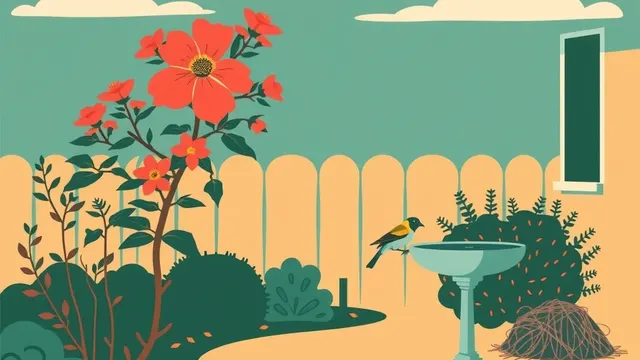 Backyard WildlifeShelter, clean water, a few leaves left in place and darker nights: simple ways to welcome wildlife.
Where to start
If you're new to gardening, here's a sensible order:
- Learn the basics. Organic gardening basics covers soil, compost, plant choice and gentle pest control.
- Grow something you'll eat. Growing your own food suggests easy crops and container options for small spaces.
- Invite the helpers. A pollinator-friendly yard and native plants explain how to feed bees, butterflies and birds.
- Rethink the lawn. Lawn alternatives and the water-wise yard guide cover lower-maintenance options and watering habits.
- Handle weeds and wildlife kindly. Chemical-free weed control and backyard wildlife round out the section.
Match the guide to your space
| Your space | Good first guides |
|---|---|
| Balcony or patio | Growing your own food in containers, pollinator plants in pots |
| Small backyard | Organic basics, a native plant bed, a water-wise layout |
| Lawn-heavy yard | Lawn alternatives, native plants, water-wise yard |
| Shared or rented yard | Containers, pollinator pots, talking to your landlord before big changes |
Soil, water and waste work together
Gardens connect to other parts of a greener home. Kitchen scraps can become garden compost, and our composting food scraps guide covers backyard bins, worm bins and municipal pickup. Watering is often the biggest outdoor use of water, so our Saving Water section and its rain barrels and greywater guide are worth a look. Rules on collecting rain vary by state, so check locally before setting up a barrel.
Fewer chemicals, used carefully
You don't have to give up every product to garden more gently. The approach in this section is to prevent problems first, use hands-on methods next and only then consider a product. When you do use a pesticide or herbicide, even one sold as organic or natural, read the whole label and follow it exactly. The label is the legal instruction for that product. Don't mix your own sprays at home. For indoor chemical use and safe storage, see our fewer chemicals at home guide.
Local advice beats general advice
Gardening is local. Your climate, soil, frost dates, rainfall and native plants all differ from someone else's a few states away. Every state has a Cooperative Extension service tied to its land-grant university, with local offices that give research-based advice. Many offer soil testing, plant lists and Master Gardener help lines. Our free resources guide explains how to find your office.
A note on paid plans and courses
You don't need a paid course or kit to start a garden. Extension offices, libraries, native plant societies and community gardens offer a lot for free. If you're considering a paid gardening or homesteading program, our Choosing Plans & Programs section explains how to judge one and which questions to ask first.
Gardening without guilt
A garden is supposed to be enjoyable. Plants will die, weeds will win some rounds and pests will show up. That's normal for everyone. If worry about the planet is weighing on you, our guide to avoiding eco guilt and burnout has ideas for focusing on what you can control, and time outside with your hands in the soil can be part of that.
How the guides fit together
Think of the section as layers. Soil and compost come first, because almost everything else depends on them. Plant choice comes next: natives, pollinator flowers and food crops that suit your sun and climate. Water and weeds are the ongoing care, and wildlife is what shows up once the other layers are in place. You can start anywhere, but if you get stuck, go back a layer.
Something to do this weekend
Walk around your yard, balcony or patio at three different times on Saturday and note where the sun falls. Then look up your local Cooperative Extension office and bookmark its gardening page. Knowing your light and having a local source of advice will make every choice in this section easier.
Want a step-by-step plan or guide?
Some people like the structure of a paid guide or set of plans. This button opens a third-party program from one of our advertising partners. Its claims are its own, not ours, so weigh them against our checklist for judging paid plans.
See the partner program →We may be paid when you click. The program shown can change. Read its terms before you buy anything. How this works
Frequently asked questions
Do I need a big yard to garden in a greener way?
No. A few containers on a balcony, a single raised bed or one native plant in a pot all count. Start with the space you have and add more as you learn.
Where can I get free gardening advice for my area?
Your state's Cooperative Extension service has local offices that give research-based gardening advice, often through Master Gardener volunteers. They can help with soil tests, plant choices and pest questions for your region.