Green Products

Choosing greener products is less about finding the perfect item and more about asking a few good questions: Do you need it? Will it last? What's it made of? Do the claims hold up? Where will it go when you're done? The guides below apply those questions to the things most of us buy, from clothing and kitchen gear to furniture, personal care, gifts and pet supplies.
You won't find brand picks or "best of" lists here. Instead, you'll learn what to check on a product type, the real tradeoffs between materials and how to read the green words on a package without getting talked into anything. Every guide includes something you can do this weekend, usually starting with what you already own.
 Choosing Greener ProductsFive questions to ask before you buy anything marketed as green, from need to end of life.
 Buy It for LifeThe signs of real durability, how to read a warranty and the care that keeps good things going.
 Clothing on a BudgetA greener wardrobe on a small budget: wear what you have, shop secondhand and make clothes last.
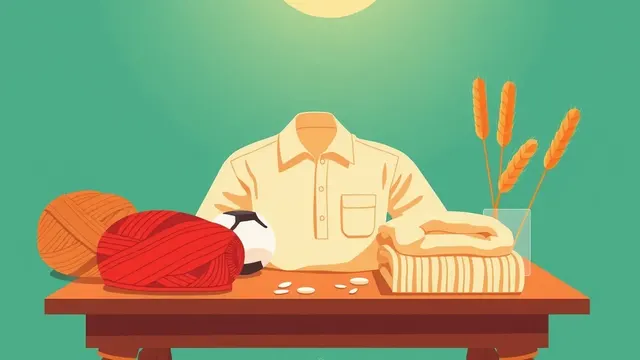 Natural vs Synthetic FabricsHow cotton, linen, wool and hemp compare with polyester and nylon, and how to wash each one well.
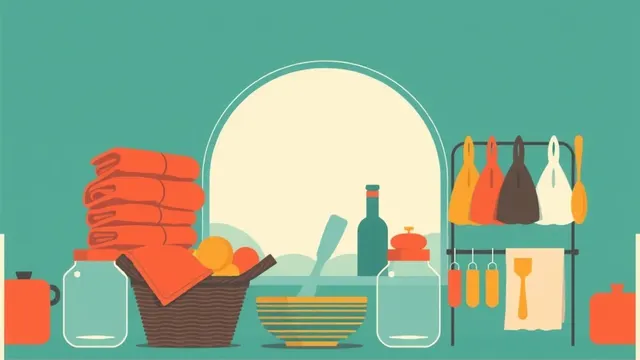 Reusable Kitchen ItemsCloth towels, wraps, containers and silicone bags: how to pick them, use them and keep them clean.
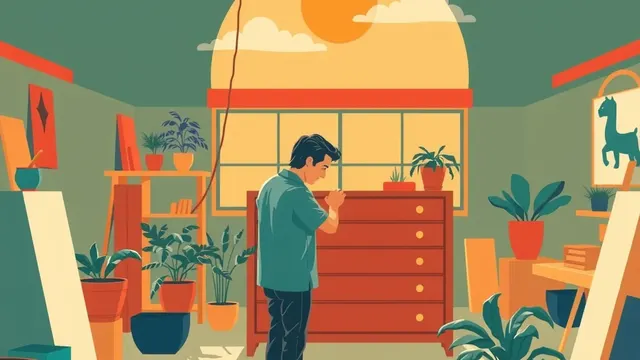 Furniture That LastsFSC wood, secondhand finds, solid wood vs particleboard and finishes: choosing furniture you'll keep.
 Biodegradable vs CompostableWhy "compostable" usually means an industrial facility, and how to tell which claims you can trust.
 Bamboo ProductsBamboo cutting boards and bamboo sheets are very different products. Here's what to check on each.
 Green Personal CareBar products, refills and reusable tools for the bathroom, plus how to read a label without the hype.
 Green GiftsExperiences, consumables, secondhand finds and low-waste wrapping: gifts that get used, not stored.
 Green Pet ProductsDurable toys, honest waste bag claims and smart food storage, with your vet as the guide for health.
 Eco-Friendly KitchenCookware that lasts, efficient appliances and small daily habits for a kitchen that wastes less.
Where to start
If you're new to this, here's a sensible reading order:
- Learn the checklist. Our guide to choosing eco-friendly products walks through five questions with a worked example.
- Focus on durability. Products that last a lifetime explains how to spot solid construction, repairable designs and honest warranties.
- Pick one area of your home. The kitchen is a good place to begin, since you use it daily. Try reusable kitchen items or the broader eco-friendly kitchen guide.
- Learn to read labels. Biodegradable vs compostable and bamboo products show how to look past vague claims.
The guides by topic
| If you want to... | Start with |
|---|---|
| Buy less and buy better | Eco-friendly products guide, buy it for life |
| Dress more sustainably on a budget | Sustainable clothing, natural vs synthetic fabrics |
| Use fewer disposables at home | Reusable kitchen items, eco-friendly kitchen |
| Furnish a home | Furniture that lasts |
| Understand material claims | Biodegradable vs compostable, bamboo products |
| Shop for yourself, friends or pets | Green personal care, green gifts, pet products |
How we talk about products
Every product involves tradeoffs. A material that's great for one job may be a poor fit for another, and a product marketed as green may only be better in one small way. So we avoid calling any product type simply "sustainable" or "eco-friendly." Instead, we explain what to check and let you decide what fits your life and budget.
The FTC's Green Guides warn that broad green claims are hard to back up, and that's the spirit behind this section. Our guide to spotting greenwashing explains how to read a claim closely, and our eco labels guide covers labels worth looking up.
Products and the rest of your home
Buying less stuff ties closely to wasting less. Our Low Waste Living section covers secondhand shopping, repairs and recycling right. If you're choosing cleaning products, our Green Cleaning section explains labels like Safer Choice and how to clean with fewer products. And when it's time to replace a big appliance, our Home Energy section explains how to compare efficient models.
For personal care and pet products, these guides focus on packaging, durability and waste. They aren't health advice. Talk to a doctor, pharmacist or veterinarian about health questions.
A note on budgets
Greener shopping can sound expensive, but many of the best moves cost nothing. Using what you own, borrowing, repairing and buying secondhand often save money, while durable new items can cost more upfront. We'll point out those tradeoffs honestly. If money is tight, start with the free steps and save new purchases for things you'll use daily.
Paid guides and free help
You don't need a paid course or membership to shop more thoughtfully. If you're weighing a paid green-living program, our Choosing Plans & Programs section explains how to judge one, lists red flags to watch for and points to free resources first.
Something to do this weekend
Pick one item you'll need to replace soon, like a pan, a pair of shoes or a pack of sponges. Before buying, ask the five questions from our product checklist, and check one secondhand source first. That single pause is the habit everything else here builds on.
Want a step-by-step plan or guide?
Some people like the structure of a paid guide or set of plans. This button opens a third-party program from one of our advertising partners. Its claims are its own, not ours, so weigh them against our checklist for judging paid plans.
See the partner program →We may be paid when you click. The program shown can change. Read its terms before you buy anything. How this works
Frequently asked questions
What is the first step to buying greener products?
Ask whether you need the item at all, then whether you could borrow it or buy it secondhand. If you do buy new, choose something durable that suits how you'll use it, and check that any green claims are specific.
Do I need to replace my things with eco-friendly versions?
No. Using and caring for what you already own is usually the gentler choice. Replace things as they wear out, and use that moment to choose a better option.