Solar for Renters: What You Can Actually Do
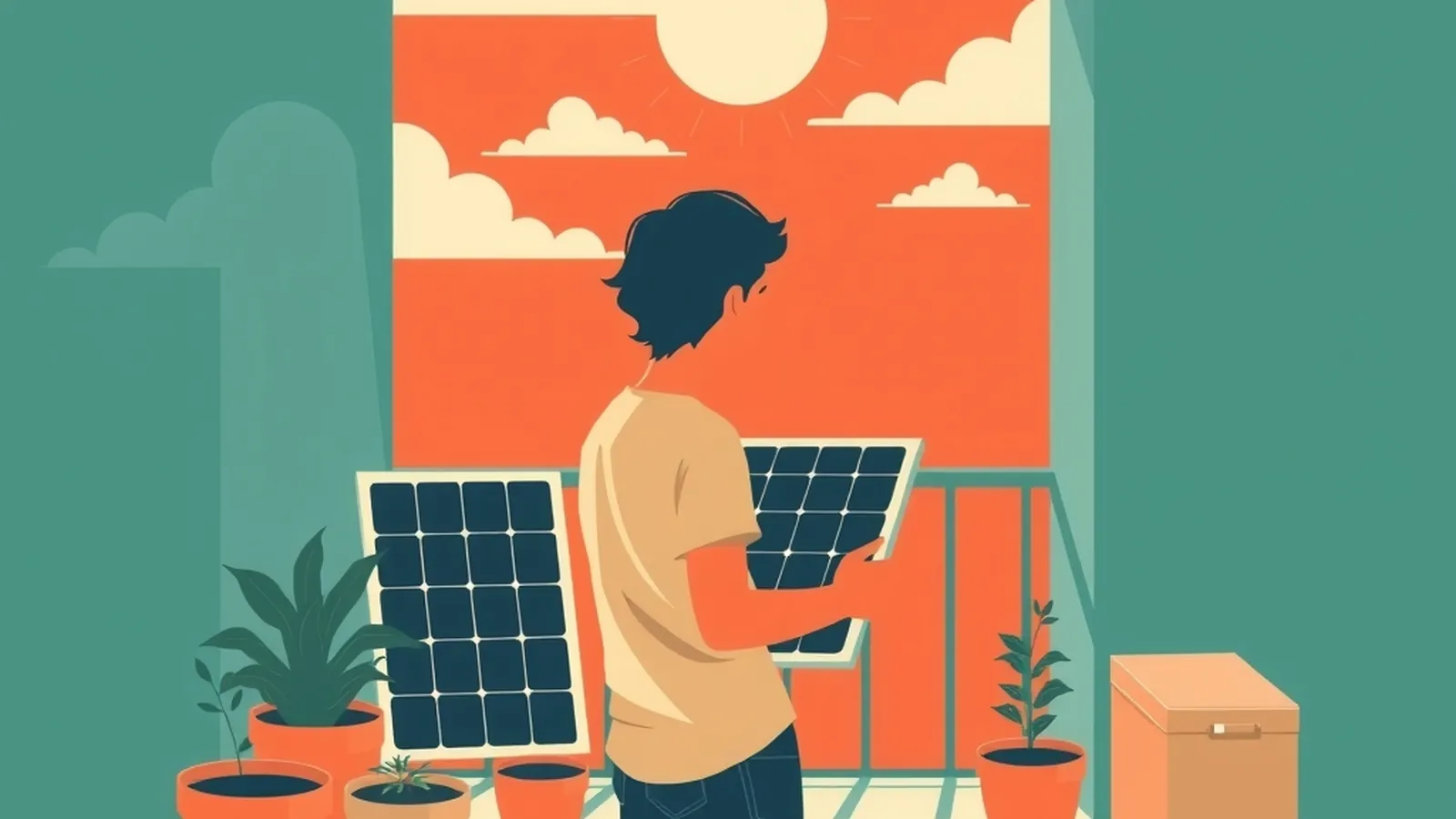
Renters can't usually put panels on the roof, but there are still ways to use solar. The most common is community solar, where you subscribe to a shared project and get credits on your bill, if it's offered in your area. Small portable panels and power stations work almost anywhere, and some places allow plug-in balcony solar. Talking to your landlord is another option.
Your lease, your state and your utility decide what's possible, so think of this as a menu, not a checklist. It's part of our Solar & Backup Power section, which also covers owning and leasing for when you do have a roof of your own.
Your options at a glance
| Option | What it is | Where it works | What to check |
|---|---|---|---|
| Community solar | A subscription to a shared solar project, credited on your electric bill | Only in some states and utility areas | Contract terms, cancellation, moving rules |
| Green power plan | A utility or supplier plan that supports renewable sources | Many areas | What the plan actually buys, and the price difference |
| Portable panel and power station | A small panel that charges a self-contained battery | Almost anywhere with sun | Capacity, safety certification, storage |
| Plug-in or balcony solar | Small panels that plug into a wall outlet | Limited; rules are still developing | Utility rules, local code, landlord approval, certified equipment |
| Landlord-installed solar | The owner adds panels to the building | Depends on the owner | How tenants would benefit |
Community solar: the closest thing to rooftop solar
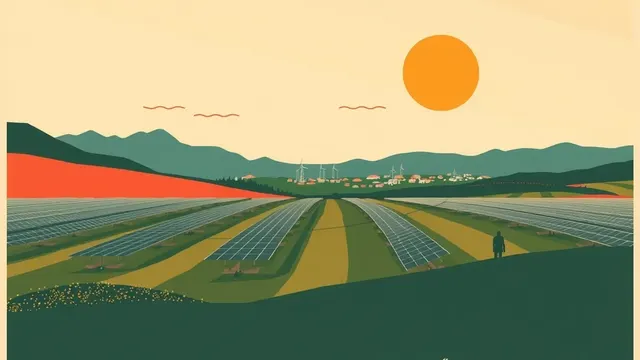
Community solar lets you support a solar project somewhere else in your area, often a field of panels or a large roof. You subscribe, and you get credits on your electric bill tied to the power your share produces. No panels on your apartment, no installation.
It's only available in some states and utility areas, and programs differ a lot. Some are run by utilities; others by private companies. Our guide to community solar explains how subscriptions work and what to check, including what happens when you move.
Green power plans from your utility
Many utilities and electricity suppliers offer plans that support renewable energy. These don't put panels anywhere near you, but they're often easy for renters to join. Read the details: what the plan pays for, how much more it costs, and whether there's a contract or cancellation fee. Vague promises deserve the same skepticism you'd give any green marketing claim.
Portable panels and power stations
A folding solar panel paired with a portable power station is the most renter-friendly solar setup there is. You set the panel in a sunny window or on a balcony, charge the power station, and use it to run small things like lamps, fans or chargers. When you move, it moves with you.
Keep expectations realistic. These are small systems, useful for outages, camping and small loads. They won't run your whole apartment. Our portable power stations guide explains capacity, what they can run and safety basics.
A few renter tips:
- Check your lease before attaching anything to a balcony railing or exterior wall.
- Secure the panel so wind can't knock it off a balcony.
- Keep the power station indoors in a cool, dry spot, and follow the maker's charging instructions.
Plug-in and balcony solar: proceed carefully
You may have seen small "balcony solar" kits that plug into a regular wall outlet and feed power into your home's circuits. They're common in some other countries. In the US, rules are still developing, and in many places these systems aren't allowed yet or need utility approval.
Before you consider one:
- Ask your utility whether plug-in solar is permitted and whether it needs approval.
- Ask your landlord in writing.
- Check local electrical code, or ask a licensed electrician.
- Use only equipment certified for that use in the US.
Never plug a solar device into a wall outlet unless your utility and local rules allow it and the product is certified for it. Anything that feeds power into a building's wiring carries real electrical and fire risks.
Talking to your landlord about solar
Some property owners are open to solar, especially if you bring it up in a practical way. You might:
- Mention that solar can be a selling point for future tenants.
- Ask whether the owner has looked into state or utility programs for rental properties.
- Share a short list of licensed local installers.
- Ask about smaller steps too, like more efficient lighting or appliances.
Keep it friendly and low pressure. A "not right now" is a normal answer, and you can raise it again later. If the owner does look at solar, our guide to leasing vs buying solar explains the options they'll see.
The renter's best first step: use less
Whatever solar option you choose, using less electricity is the step fully in your control. Standby loads from electronics left plugged in add up quietly. Our guide to phantom power shows how to find them and when a smart power strip helps. It's a quick win that pairs well with any of the options above.
Watch for pitches aimed at renters
Renters get solar sales pitches too, often for community solar. Most are legitimate, but ask who runs the program, how billing works, and how to cancel before signing. If someone promises "free" power or claims to be from the government, review our solar installer red flags guide first.
A worked example (fictional)
Example: Taylor rents a second-floor apartment with a sunny balcony. They check their state's community solar options and find one program open in their utility area, then read its moving terms before signing up. For outages, they buy a small portable power station and a folding panel, which they set in the balcony doorway on sunny weekends. They also email their landlord a short note asking whether the owner has considered solar for the building. Taylor doesn't expect a yes soon, but the question is on the table.
Something to do this week
Look up whether community solar is available where you live. Search your state energy office website or your utility's site for "community solar." Write down whether it's offered, who runs it and how to sign up. If it isn't available yet, note that too, and start with the phantom power check instead.
Want a step-by-step plan or guide?
Some people like the structure of a paid guide or set of plans. This button opens a third-party program from one of our advertising partners. Its claims are its own, not ours, so weigh them against our checklist for judging paid plans.
See the partner program →We may be paid when you click. The program shown can change. Read its terms before you buy anything. How this works
Frequently asked questions
Can renters get solar panels?
Renters usually can't install rooftop panels without the owner's permission, but many have other options. Community solar subscriptions, small portable panels and, in some places, plug-in solar may be possible depending on your state, utility and lease.
Is balcony solar legal in the US?
Rules for plug-in or balcony solar that connects to a wall outlet are still developing and vary by state, utility and building. In many places it isn't allowed yet. Check with your utility, your landlord and local rules before buying anything that plugs into an outlet.
What happens to my community solar subscription if I move?
It depends on the program. Some let you transfer the subscription to a new address in the same utility area, and others let you cancel with notice. Read the cancellation and moving terms before you sign up.