Sustainable Travel Tips for Greener Trips
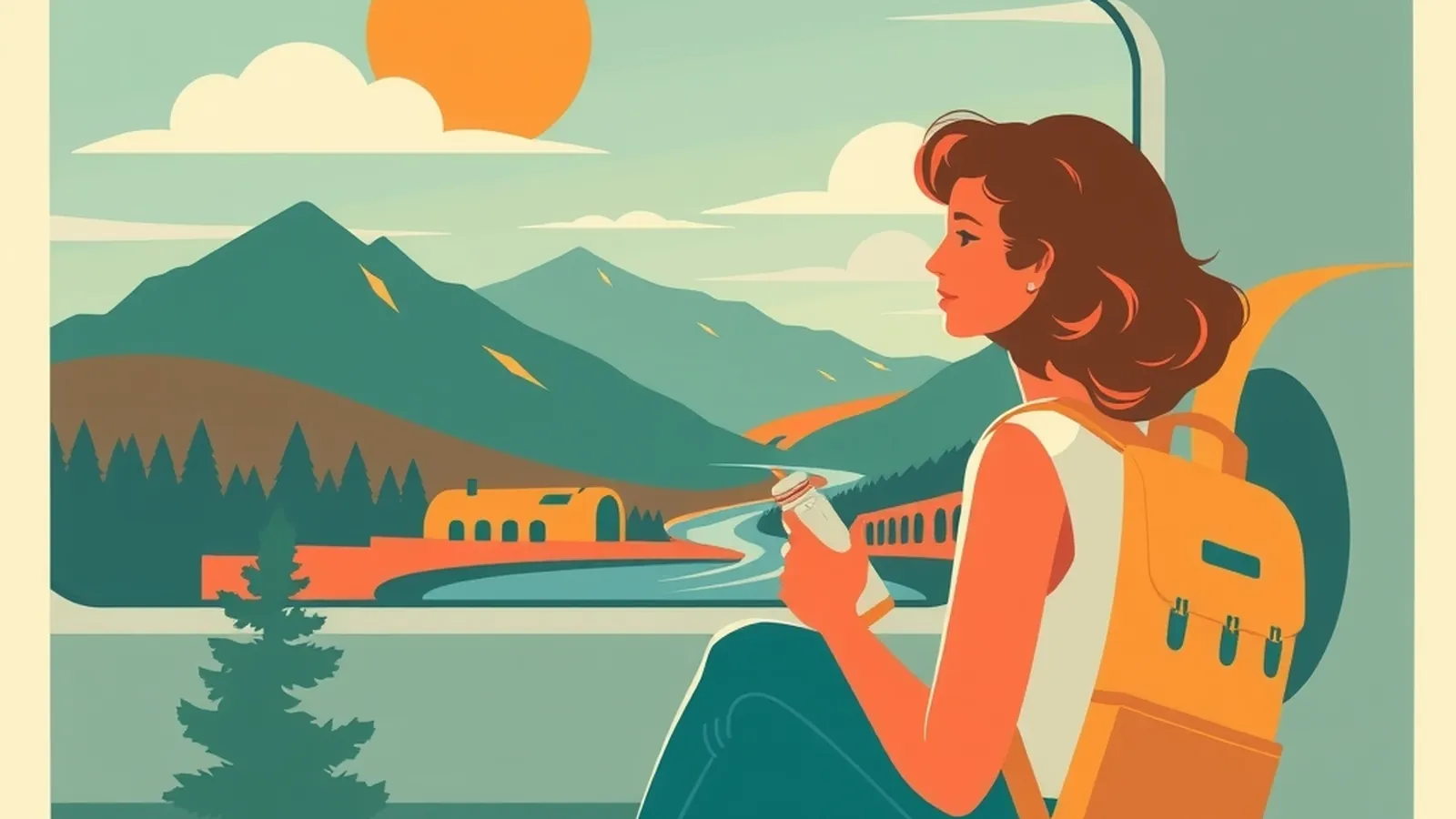
Sustainable travel mostly comes down to a few choices: take fewer but longer trips, choose trains or buses when they make sense, pack light, stay somewhere that's easy to get around from without a car, and bring the reusable basics you already use at home. You don't need to give up travel or do everything perfectly. Each choice helps a little.
Travel is the long-distance end of our Getting Around section, where everyday trips like commuting and errands get most of the attention.
Start with how you plan
The biggest choices happen before you book anything:
- Take fewer, longer trips. One relaxed week away can be more restful than several rushed weekends, and it means fewer long journeys.
- Look closer to home. Regional trips can be surprisingly rewarding and often open up train, bus or shared-car options.
- Travel off-peak when you can. Less crowded trips are often calmer, and you may find more options.
- Combine purposes. If you're visiting family, could you also see a friend in the same area instead of making a separate trip later?
Choosing how to get there
Every trip is different, and the right choice depends on distance, time, cost and who's traveling. Here's a general guide:
| Option | Often a good fit when | Tips |
|---|---|---|
| Train | There's a direct or simple route, especially between cities | Book early for more choices; bring food and a water bottle |
| Intercity bus | Budget matters and the route is direct | Check luggage rules and stops along the way |
| Shared car trip | A few people are going to the same place | Split fuel and tolls; check tire pressure before you leave |
| Electric or hybrid car | You already own one and charging or fueling fits the route | Plan charging stops ahead for longer trips |
| Flying | The distance is long or ground travel isn't practical | Fly direct when possible; pack light; take fewer, longer trips |
Flying is generally one of the higher-impact ways to travel. If you do fly, flying direct and packing light are simple ways to make the trip a little lighter.
Driving an electric car on a road trip takes planning around fast chargers. Our guide to electric cars explained covers range and charging in general, including how weather and speed affect how far you can go.
Packing light
Packing light makes travel easier and means less weight to carry, whether in your car, on a train or in a plane. Try this:
- Lay out everything you think you need.
- Plan outfits that mix and match, built around a few neutral pieces.
- Put back a few items you added "just in case." You probably won't miss them.
- Plan to do laundry if you're away for more than a week.
- Pick one pair of comfortable walking shoes plus one other pair at most.
- Use small refillable containers for toiletries rather than buying travel-size bottles each trip.
Reusables for the road
The same reusables that help at home work well while traveling:
- A refillable water bottle, filled before you leave and topped up along the way.
- A foldable shopping bag for snacks, souvenirs and groceries.
- A travel mug for coffee or tea.
- A reusable container and utensils for leftovers and snacks.
- A cloth napkin that doubles as a placemat or small towel.
Our reusable bottles and bags guide compares materials and explains how to keep them clean.
Choosing where to stay
Lodging choices shape much of your trip. A few things to think about:
- Location. Staying near transit, walkable neighborhoods or the places you want to visit can mean you don't need a car at all.
- Specific practices over vague claims. Words like "green" or "eco" on their own don't tell you much. Look for specifics, such as linen and towel reuse options, recycling, efficient heating and cooling, or refill stations. If a claim isn't clear, ask.
- Kitchen access. A small kitchen lets you shop locally and cut down on takeout packaging.
- Smaller and local. Small, locally run places can keep more of your spending in the community.
Habits while you're away
- Treat your room like home. Turn off lights and heating or cooling when you leave, and hang towels to reuse.
- Walk, bike or take transit to explore. You often see more of a place that way.
- Eat local and seasonal where you can.
- Respect local rules and nature. Stay on trails, take your trash with you and leave natural places as you found them.
- Buy fewer, better souvenirs. Something useful or locally made tends to mean more than a pile of trinkets.
Before you leave home
A little preparation at home also matters while you're away:
- Adjust the thermostat to an energy-saving setting for an empty house, keeping it in a range that protects pipes and pets if anyone is caring for them.
- Unplug electronics you won't need, like chargers, speakers and small appliances.
- Turn the water heater to its vacation setting if it has one.
- Use up perishables or share them with a neighbor so food doesn't go to waste.
- Pause deliveries you won't be home to use.
If you're driving, check tire pressure and clear unneeded weight from the car before loading up. It helps the car handle well with a full load.
Example: rethinking a long weekend
Example: Robin, a fictional traveler, usually flies to a city a few hours away for a long weekend twice a year. This year, they try a different plan: one longer visit instead of two short ones, and a train instead of a plane. Robin packs a carry-on with a refillable bottle and a snack container, books a room near a train station and gets around by walking and buses. The trip takes a bit more travel time, but Robin finds the ride relaxing and spends less time in airports.
Getting around once you arrive
Getting around a new place uses the same skills as getting around at home. Our carpooling and transit guide explains how to read trip planners and ride confidently, and the greener commute guide covers walking and biking safely.
Try this weekend
Pick your next trip, even if it's months away, and check whether a train or bus could replace part of it. Then put together a small travel kit with a refillable bottle, a foldable bag and reusable utensils, and keep it with your luggage so it's ready when you are.
Want a step-by-step plan or guide?
Some people like the structure of a paid guide or set of plans. This button opens a third-party program from one of our advertising partners. Its claims are its own, not ours, so weigh them against our checklist for judging paid plans.
See the partner program →We may be paid when you click. The program shown can change. Read its terms before you buy anything. How this works
Frequently asked questions
What is the most sustainable way to travel?
For many trips, trains and buses are lower-impact choices than flying or driving alone, and packing light and staying longer help too. The best option depends on distance, time, budget and what's available on your route.
Is it bad to fly?
Flying is one of the higher-impact ways to travel, but you don't have to give it up to make a difference. Taking fewer, longer trips, flying direct when you can and choosing ground travel for shorter trips all help.
How can I find eco-friendly hotels?
Look past vague "green" claims and check for specific practices, such as linen reuse options, recycling, efficient heating and cooling, and access to transit. Ask questions if a claim isn't clear.