How to Make Your Commute Greener
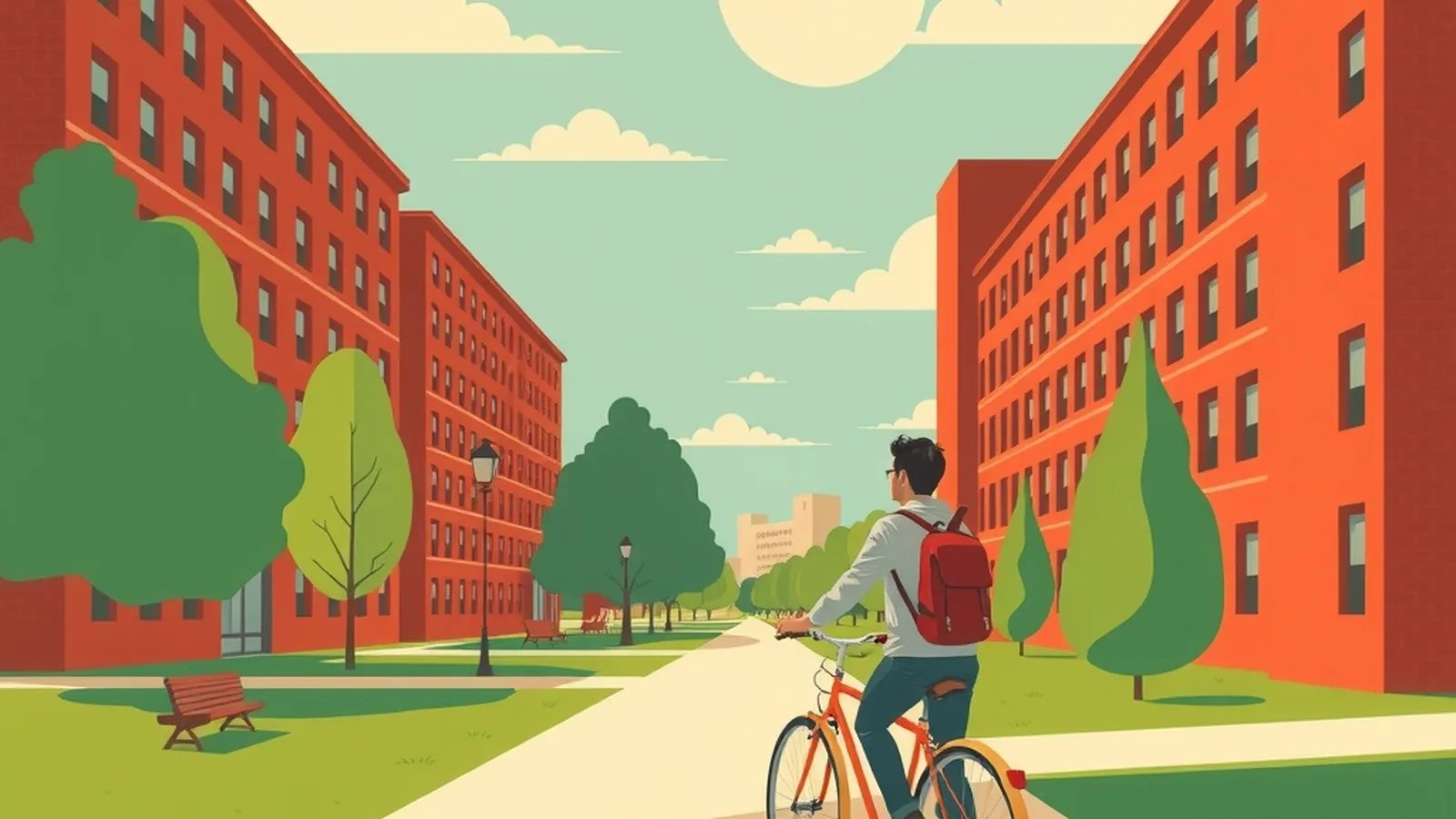
A greener commute usually means swapping some solo car trips for walking, biking, transit, a shared ride or a day working from home. You don't have to change everything at once. Pick one trip a week to try differently, see how it goes, and build from there.
This guide is the starting point of our Getting Around section, which covers everything from tire pressure to electric cars. Here we focus on the trip most people make most often: getting to work or school and back.
Why the commute is a good place to start
Your commute repeats. A change you make once can play out dozens of times over a season, which makes it one of the more effective switches available to you. It also tends to be predictable: same start, same end, similar times. That makes it easier to plan around than errands or weekend trips.
If you're curious how getting around compares with other parts of daily life, such as home energy, food and the stuff you buy, our guide to carbon footprint basics explains the big categories in plain terms.
Your commute options at a glance
| Option | Best when | Watch out for |
|---|---|---|
| Walking | Work or school is close and the route feels safe | Weather, carrying bags, poorly lit stretches |
| Biking | There's a reasonable route with bike lanes or quiet streets | Secure parking at work, arriving sweaty, rain gear |
| E-biking | Distance or hills make a regular bike hard | Charging, theft, local rules on where you can ride |
| Bus or train | A line runs near both ends of your trip | Transfers, schedules, the walk to and from stops |
| Carpool | Coworkers or neighbors share your hours | Coordinating schedules, a backup plan for late days |
| Remote day | Your job allows some work from home | Home energy use, staying connected with your team |
| Driving smarter | A car really is the practical choice | Tire pressure, idling, combining stops |
Most people don't pick just one. A mixed week is normal and still counts.
Step by step: find the commute that fits
- Write down your actual week. List each trip to work or school, the time you leave, what you carry and anything you do on the way, like a daycare drop-off or a grocery stop.
- Mark the flexible trips. Some days are locked in. Others, like the Friday with no errands, are easy to experiment with.
- Look up alternatives. Check your transit agency's trip planner, a bike map for your city, and how long the walk would take. Our guide to carpooling and transit explains how to find routes and ride-share groups.
- Do a test run. Try the new route on a low-pressure day, such as a weekend, so you learn the timing without worrying about being late.
- Start with one day. Commit to one alternative trip a week for a month. If it works, add another.
- Keep a backup. Know how you'd get home if the weather turns or a bus is canceled. A backup plan makes it easier to say yes.
Making walking and biking work
Walking and biking are simple, but a little preparation keeps them pleasant:
- Plan the route, not just the distance. A slightly longer trip on quiet streets often beats the most direct road.
- Be visible. Wear bright colors or reflective gear, and use front and rear bike lights in low light.
- Wear a helmet on any bike or e-bike.
- Pack smart. A backpack or pannier for your bike keeps your hands free. Some people keep a change of clothes or shoes at work.
- Lock up well. Ask where bikes can be parked safely at work or school.
If hills or distance are the main obstacle, an electric-assist bike may help. Our e-bikes guide covers classes, local rules and battery safety.
If you need to drive
Plenty of people live where driving is the only practical option, and that's fine. You can still make the drive gentler on fuel and your car:
- Combine errands into one loop instead of several separate trips.
- Accelerate and brake smoothly, and keep a steady speed on the highway.
- Check your tire pressure once a month.
- Avoid long idling while waiting.
If you're replacing your car anyway, it's worth reading electric cars explained to see whether an EV makes sense for your daily driving, and then the guide to home EV charging, since where you'll charge is one of the biggest practical questions.
Remote and hybrid work days
If your job offers any flexibility, asking for one remote day a week is one of the simplest commute changes there is. It removes a full round trip. To keep those days efficient at home:
- Work in one room and heat or cool that space, not the whole house.
- Use natural light when you can and turn off lights in empty rooms.
- Power down equipment at the end of the day.
Example: one commute, three changes
Example: Jordan, a fictional office worker, drives alone to work five days a week. The office is close enough to bike, but the main road feels unsafe. After checking a bike map, they find a quieter route through a park that adds only a few minutes. They start biking on Wednesdays when the weather is good. A coworker who lives nearby agrees to carpool on Mondays and Thursdays, and Jordan's manager approves remote Fridays. Jordan still drives on Tuesdays, which is the day of their evening class. Nothing about the week is perfect, but most of Jordan's commute trips now look different.
Paying for it
Many of these options cost little or nothing. Transit passes, a used bike and a helmet can cost less than people expect, and some employers offer commuter benefits. Results depend on your location and situation, so compare options for yourself. Libraries, local transit agencies and city bike programs are good places to ask about free help, and our free resources guide lists other places to find trustworthy, no-cost advice on saving energy at home.
Try this week
Pick one commute day next week and plan an alternative: a bike ride, a bus trip, a carpool or a remote day. Do a test run this weekend if you can. Afterward, jot down what worked and what didn't.
Beyond the daily trip
Once your commute feels settled, the same thinking applies to longer journeys. Our green travel guide covers trains, buses, packing light and choosing lodging for vacations and visits. Every trip you rethink counts, whether it's around the block or across the country.
Want a step-by-step plan or guide?
Some people like the structure of a paid guide or set of plans. This button opens a third-party program from one of our advertising partners. Its claims are its own, not ours, so weigh them against our checklist for judging paid plans.
See the partner program →We may be paid when you click. The program shown can change. Read its terms before you buy anything. How this works
Frequently asked questions
What is the most eco-friendly way to commute?
Walking and biking generally have the lowest impact, followed by transit and shared rides. The best choice for you is the one you can stick with safely, so a mix of options often works better than one big change.
Does working from home count as a greener commute?
It can. A day without a commute means one less round trip. Your home energy use may go up a little on those days, so simple habits like adjusting the thermostat and turning off unused lights help.
How do I start biking to work if I'm nervous?
Try the route on a quiet weekend first, look for streets with bike lanes or low traffic, and start with one day a week in good weather. Wear a helmet and use lights, even in the daytime.