How to Charge an Electric Car at Home
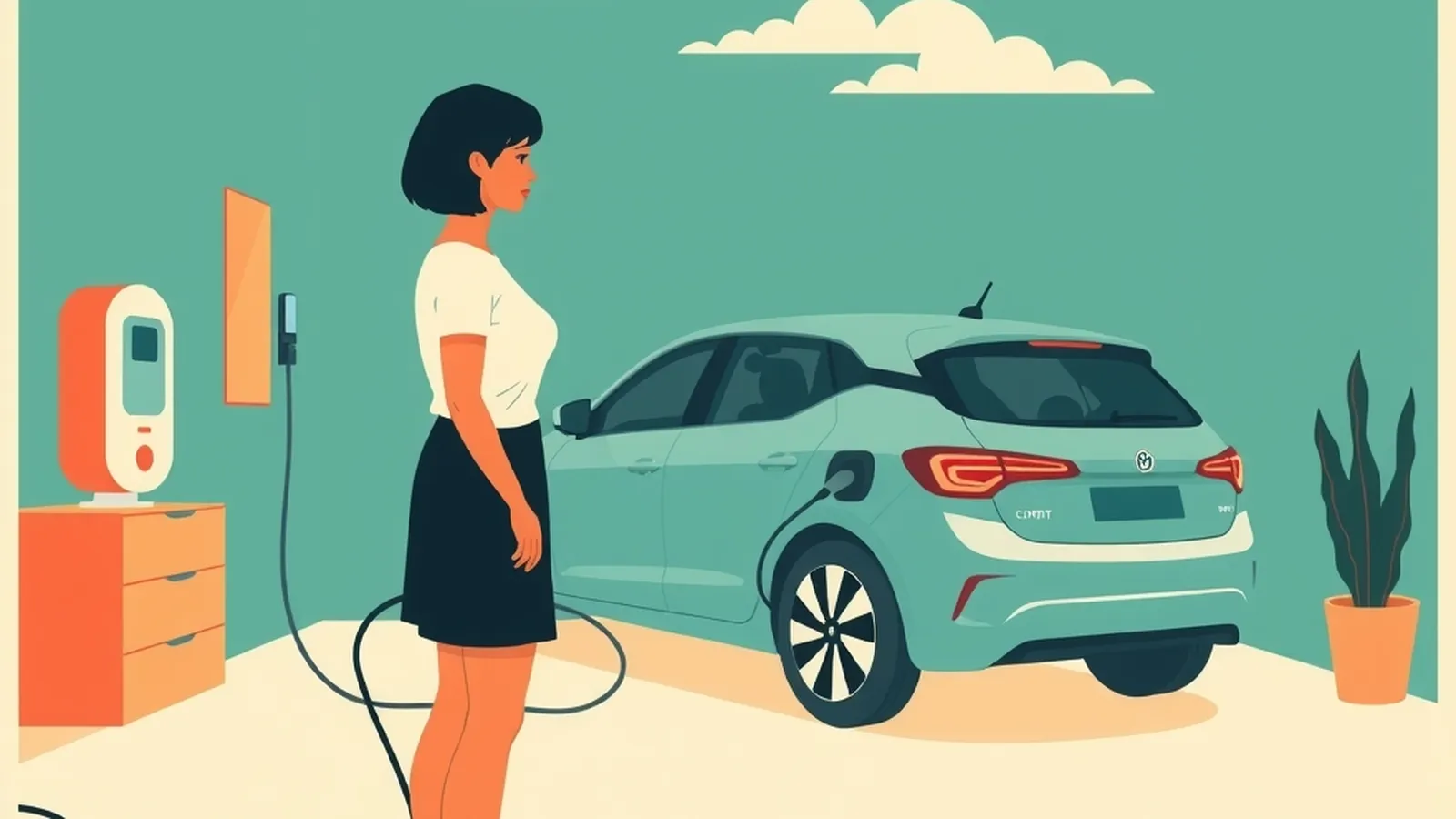
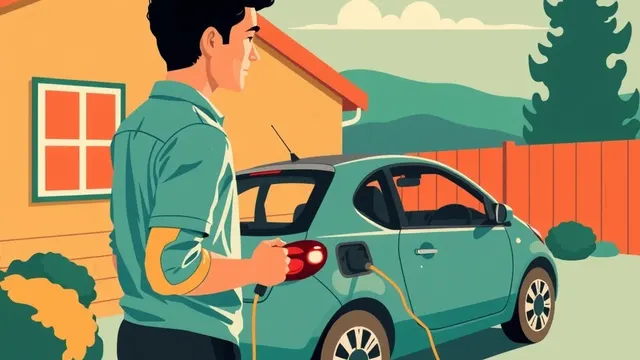
Charging an electric car at home means plugging it in where you park, usually overnight, using either a standard household outlet (Level 1) or a dedicated charger on its own circuit (Level 2). Level 1 is simple but slow; Level 2 is faster but needs a licensed electrician, and often a permit, to install. Your utility's rate plan can also affect what charging costs.
Home charging is one of the most practical questions in our Getting Around section, and it's worth sorting out before you buy an EV rather than after.
Level 1 vs Level 2 at a glance
| Level 1 | Level 2 | |
|---|---|---|
| What you plug into | A standard household outlet | A dedicated higher-voltage circuit, like the kind used for some clothes dryers |
| Equipment | Often a cord that comes with the car | A wall-mounted charger or a plug-in unit on a dedicated outlet |
| Speed | Slow; adds a modest amount of range overnight | Much faster; usually refills a typical daily drive overnight |
| Installation | Usually none, if the outlet is in good shape | Licensed electrician, and often a permit and inspection |
| Good for | Short daily drives, plug-in hybrids, long parking times | Longer daily drives, households with more than one EV |
Charging speed also depends on your car's onboard charger, so a faster home charger won't always charge every car faster. Check your vehicle's specifications.
Is Level 1 enough for you?
Many people start with Level 1 and find it works. It tends to suit you if:
- Your daily driving is short.
- Your car is parked at home for long stretches, such as every night.
- You drive a plug-in hybrid with a smaller battery.
- You can top up at work or public chargers now and then.
A few safety notes for Level 1 charging:
- Plug directly into a wall outlet in good condition. Don't use an ordinary extension cord or power strip unless your car's manufacturer specifically allows a particular type.
- If the plug or outlet feels hot, smells like it's burning or the outlet looks damaged, stop charging and call a licensed electrician.
- Keep the cord out of walkways and away from standing water.
Getting a Level 2 charger installed
If Level 1 won't keep up, Level 2 is the usual next step. Here's what the process generally looks like:
- Check your car's needs. Look up what charging rate your vehicle accepts so you don't pay for more capacity than it can use.
- Pick a location. Choose a spot near where you park, with room for the cord to reach the car's charging port.
- Get quotes from licensed electricians. Ask each one to look at your electrical panel. Some homes have room for a new circuit; others may need a panel upgrade, which adds cost and time.
- Ask about permits. Many cities and counties require a permit and inspection for a new circuit. A licensed electrician should know the local rules and pull the permit.
- Choose a charger. Look for equipment that is safety certified by a recognized testing laboratory and rated for outdoor use if it will be outside.
- Schedule the install and inspection. Keep the paperwork. It can be useful for insurance and if you sell the home.
Wiring, panel work and new circuits are not DIY projects. Mistakes can cause fires or shocks, and unpermitted work can create problems with insurance or when selling a home.
Your utility rate plan matters
How much home charging costs depends on your electricity rates and your plan. Some utilities offer:
- Time-of-use plans, where electricity costs less at certain hours, often overnight.
- EV-specific plans with their own off-peak windows.
- Programs or rebates for chargers or managed charging, in some areas.
Most EVs and many chargers let you schedule charging to start at a set time. If you're on a time-of-use plan, setting the car to charge during off-peak hours may reduce costs. Results depend on your utility, your rates and your driving.
If you like scheduling home energy use, the same idea shows up in our guide to smart thermostats, which covers automatic schedules and privacy settings for connected devices.
Your utility and state energy office are good places to ask about current programs. Our free resources guide lists other no-cost places to get help with home energy questions.
If you rent or don't have a driveway
Charging is harder without a private garage or driveway, but you have options:
- Ask your landlord or building manager. Some will allow a charger, especially if you offer to discuss costs. Any install still needs a licensed electrician and the owner's written permission.
- Check for shared charging in your building's parking area.
- Look for workplace charging.
- Use nearby public Level 2 or fast chargers, and factor that time and cost into your plans.
If reliable charging isn't available, a regular hybrid may be a better fit for now. To weigh the choices side by side, read our hybrid vs electric guide.
Caring for your charging setup
Once your charger is in, a little care keeps it safe and working well:
- Hang the cable when it's not in use, so it isn't run over or left in puddles.
- Check the plug and cable now and then for cracks, fraying or scorch marks.
- If the charger trips a breaker repeatedly or shows a fault, stop using it and call a licensed electrician.
Charging small vehicles
Not everything with a battery needs a special circuit. Our e-bikes guide covers charging e-bike batteries from a standard outlet, with tips on using the right charger and avoiding overheating.
Example: planning a home setup
Example: Alex, a fictional homeowner, is considering an EV. They park in a detached garage with one old outlet. Alex gets three quotes from licensed electricians. One finds the panel has room for a new circuit; another suggests checking the outlet wiring before using it for Level 1. Alex also calls the utility and learns about a time-of-use plan. With quotes and rates in hand, Alex can decide whether Level 1 is enough for now or whether Level 2 is worth it.
Do this weekend
Walk out to where you park and look at what's there: the nearest outlet, its condition, and how far it is from where a car's charging port would sit. Then look up your utility's rate plans online. If you're seriously considering an EV, call one or two licensed electricians for quotes.
For more on how EVs work, range and the costs to weigh before buying, read electric cars explained.
Want a step-by-step plan or guide?
Some people like the structure of a paid guide or set of plans. This button opens a third-party program from one of our advertising partners. Its claims are its own, not ours, so weigh them against our checklist for judging paid plans.
See the partner program →We may be paid when you click. The program shown can change. Read its terms before you buy anything. How this works
Frequently asked questions
Can I install a Level 2 EV charger myself?
Installing a Level 2 charger usually means adding a dedicated higher-voltage circuit, which is a job for a licensed electrician. Many areas also require a permit and inspection, so let your electrician handle that.
Is Level 1 charging enough?
It can be if you drive short distances each day and park for long stretches overnight. If you drive more, or your car often sits for only a few hours, Level 2 is usually more practical.
When is the best time to charge an EV at home?
If your utility offers a time-of-use or EV rate plan, charging during its off-peak hours may cost less. Check your utility's plans and your car's charging schedule settings.