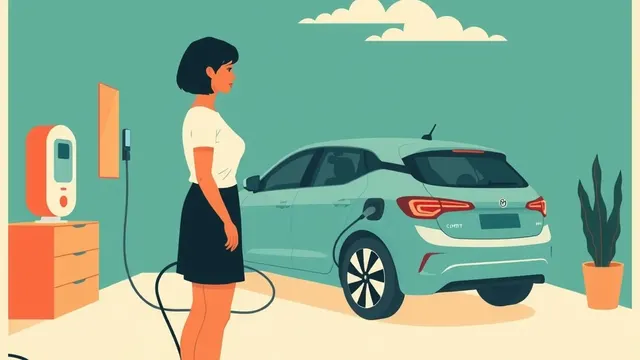
Are Electric Cars Worth It?
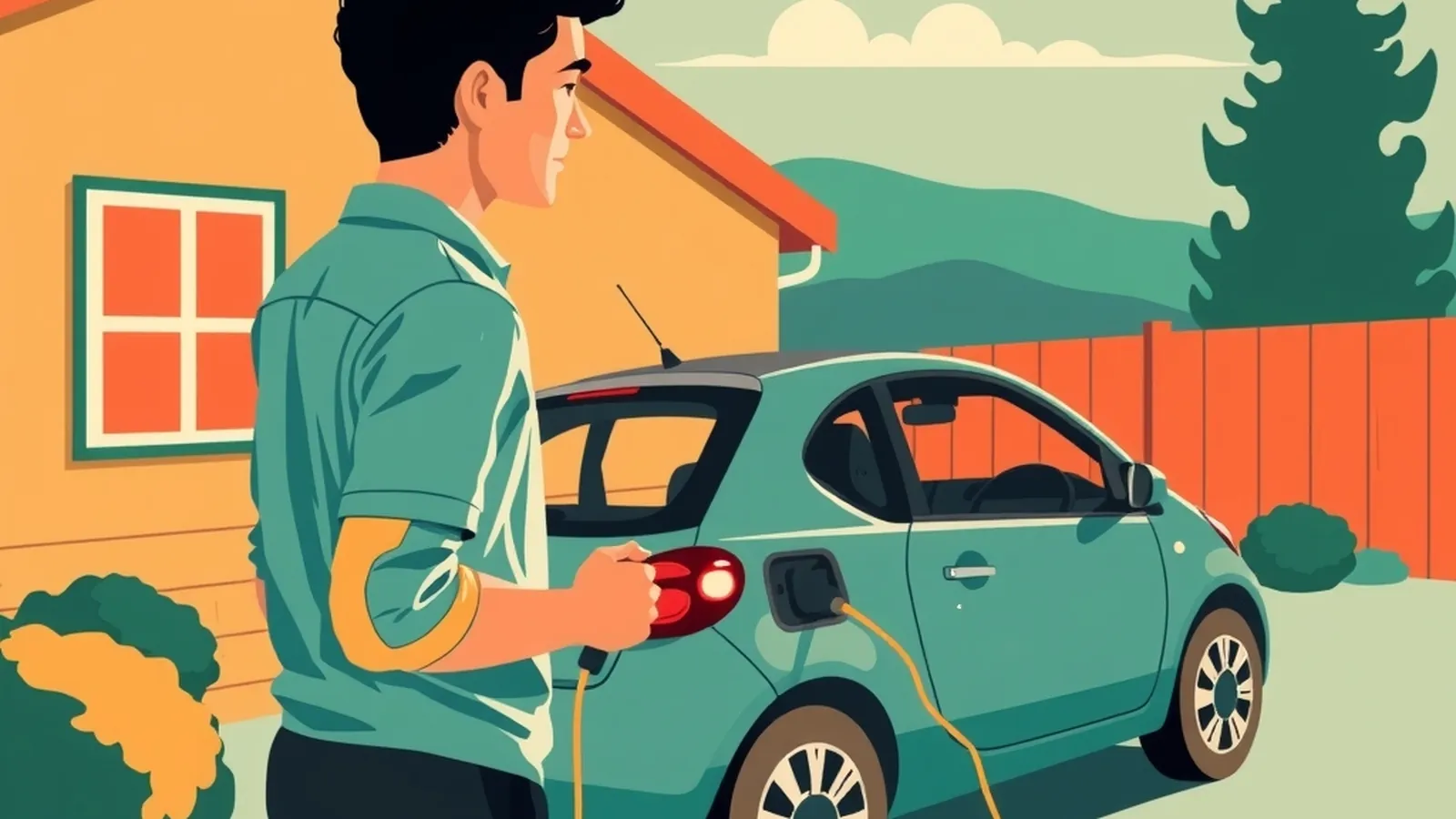
An electric car can be worth it if it fits how you drive, where you can charge and what you can afford. EVs run on a battery and electric motor instead of a gas engine, so they have no tailpipe and fewer moving parts, but they ask you to plan around charging. Whether one makes sense for you comes down to a handful of practical questions, which this guide walks through.
EVs are one piece of the vehicle side of our Getting Around section, which also compares hybrids, explains home charging and covers driving more efficiently.
How an electric car works
An electric vehicle (EV) stores energy in a large rechargeable battery pack. When you press the accelerator, that battery sends power to one or more electric motors that turn the wheels. A few other parts are worth knowing:
- Regenerative braking. When you slow down, the motor can work in reverse, turning some of the car's motion back into stored energy. That's why many EV drivers barely use the brake pedal in town.
- Onboard charger. This converts electricity from a home outlet or charging station into a form the battery can store.
- No oil changes. EVs don't have an engine that needs oil, spark plugs or a muffler. They still need tires, brakes, wipers, cabin filters and regular checkups.
If you're curious how the electricity itself can come from your roof, our guide to how solar panels work explains panels, inverters and how a home system connects to the grid.
Range: how far you can go
Range is how far an EV can drive on a full charge. Every model is different, and real-world range changes with:
- Weather. Cold weather usually reduces range, and running the heater or air conditioning uses battery power.
- Speed. Steady highway driving at higher speeds tends to use more energy than slower driving.
- Load and terrain. Hills, cargo and towing all use more energy.
- Battery age. Batteries slowly hold less charge over many years.
A useful rule of thumb: compare a model's range with your longest regular day of driving, not your average day, and leave a comfortable buffer. For official range and efficiency estimates, fueleconomy.gov, the US government's fuel economy site, lets you compare vehicles side by side.
Charging in general
There are three broad ways to charge:
| Charging type | Where you'll find it | Good for |
|---|---|---|
| Level 1 | A standard household outlet | Drivers with short daily trips and long overnight parking |
| Level 2 | Home chargers on a dedicated circuit, workplaces, public lots | Most daily home charging; topping up while parked for a few hours |
| DC fast charging | Public stations, often along highways | Road trips and quick top-ups |
Most EV owners who can charge at home do most of their charging there, overnight. Our guide to home EV charging explains Level 1 versus Level 2, why installing a charger is a job for a licensed electrician with a permit, and how utility rate plans can affect your costs.
If you rent or park on the street, charging is the biggest question to answer before buying. Look at where you'd realistically plug in every week.
Costs to consider
EVs have a different cost picture than gas cars. Instead of promising savings, here's what to compare for your own situation:
- Purchase price of the vehicles you're considering, new or used.
- Charging costs, which depend on your electricity rates, your rate plan and how often you use public fast chargers.
- Home charger and installation, if you need one.
- Insurance, which varies by model and location.
- Maintenance, including tires, which some EVs wear differently.
- Registration fees, since some states charge EV-specific fees.
- Resale value, which can be hard to predict.
Get quotes and do the math with real local numbers. Results depend on your vehicle, your location and how you drive.
What changed with the federal tax credit
Federal law passed in 2025 ended the federal tax credit for new and used electric vehicles acquired after September 30, 2025. Some state and utility programs may still offer incentives, but they vary widely and can change. Our solar incentives guide explains the broader federal changes. Check IRS.gov, your state energy office and your utility for current rules, and talk with a tax professional. This page is general education, not tax or financial advice.
Is an EV a good fit? A quick checklist
An electric car is more likely to work well for you if most of these are true:
- You can charge at home, at work or reliably nearby.
- Your regular driving fits comfortably within the range of models you're considering.
- You don't often make long trips through areas with few fast chargers.
- The purchase price and insurance fit your budget.
- You were planning to replace a vehicle anyway.
If several boxes stay empty, a hybrid or a plug-in hybrid may be a better middle step. Our hybrid vs electric guide compares the options.
Example: thinking it through
Example: Sam, a fictional homeowner, needs to replace an aging car. Sam drives to work and back most days and takes a long road trip once or twice a year. They have a driveway and a garage. Sam lists the costs above, gets an electrician's quote for a Level 2 charger and checks the local utility's rate plans. They also map fast chargers along their usual road trip route. With those answers in hand, Sam can compare an EV, a hybrid and another gas car on real numbers rather than guesses.
Test drive with a plan
A test drive is your chance to see how an EV feels in everyday conditions. Drive a route like your daily commute, try highway merging, and notice how the regenerative braking feels. Ask the seller to show you how to plug in, schedule charging and check range on the dashboard. If you can, rent or borrow an EV for a weekend to see how charging fits your routine.
A note on the bigger picture
An EV doesn't make every trip greener on its own. Keeping your current car well maintained, driving less and choosing walking, biking or transit for some trips all matter too. If you're not shopping for a car, our greener commute guide has ideas you can try with what you already have.
Do this weekend
Write down your longest normal driving day from the past month and where you'd charge if you owned an EV. Then look up two or three vehicles on fueleconomy.gov and compare their official estimates. You'll have a clearer sense of whether an EV fits before you ever visit a dealer.
Want a step-by-step plan or guide?
Some people like the structure of a paid guide or set of plans. This button opens a third-party program from one of our advertising partners. Its claims are its own, not ours, so weigh them against our checklist for judging paid plans.
See the partner program →We may be paid when you click. The program shown can change. Read its terms before you buy anything. How this works
Frequently asked questions
Is there still a federal tax credit for electric cars?
Federal law passed in 2025 ended the federal credit for new and used electric vehicles acquired after September 30, 2025. Rules can change, so check IRS.gov and a tax professional, and ask your state energy office and utility about local programs.
Do I need a charger at home to own an electric car?
Not always, but it helps a lot. Many owners plug into a standard outlet or a dedicated home charger overnight. If you can't charge at home, check whether you have reliable charging at work or nearby before you buy.
Are electric cars cheaper to run than gas cars?
They can be for some drivers, but it depends on local electricity and gas prices, when and where you charge, the vehicle, insurance and how much you drive. Compare the numbers for your own situation rather than relying on general claims.