How Do Solar Panels Work?
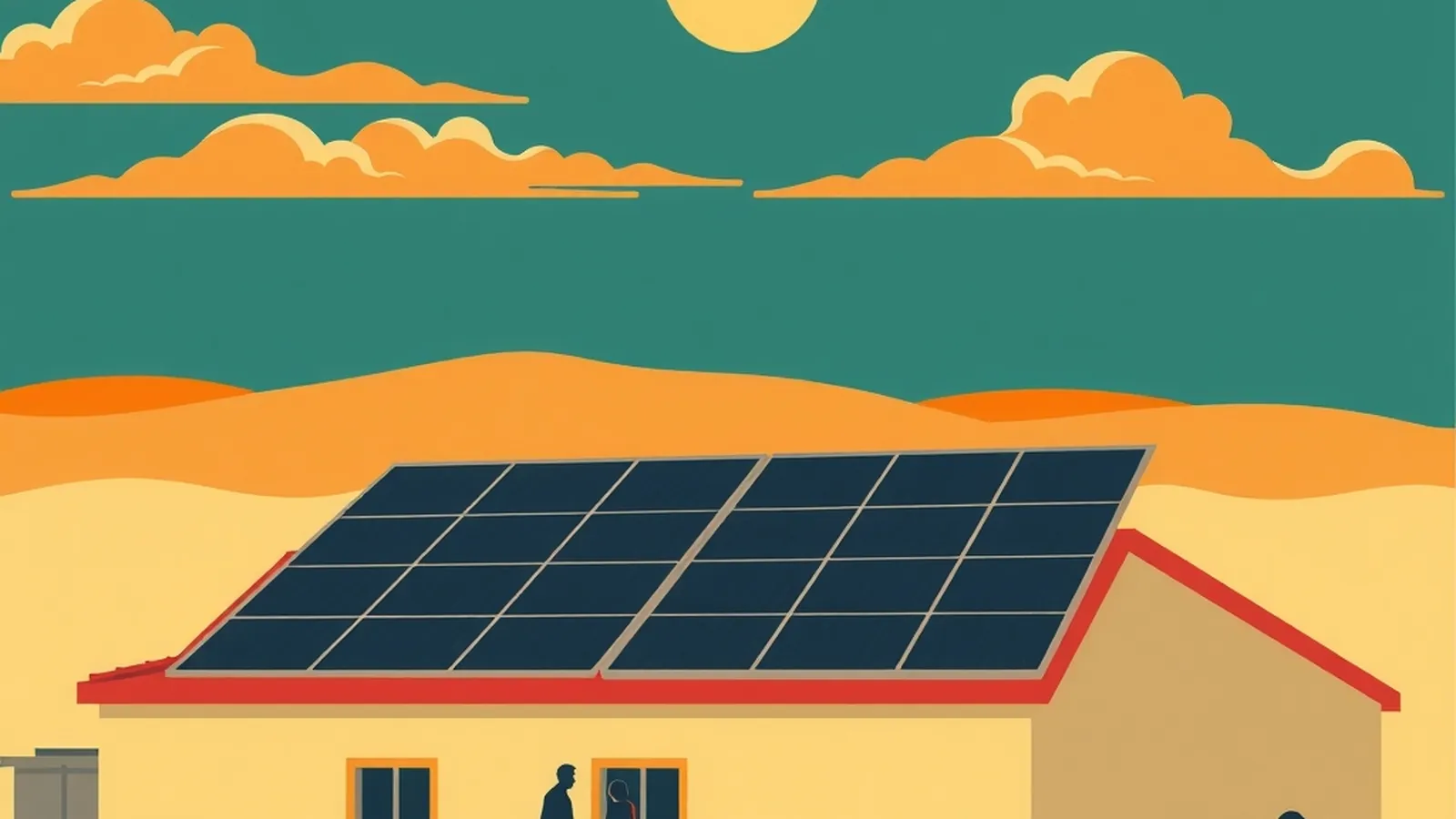
Solar panels work by turning sunlight into electricity. Light hits the solar cells in each panel, which knocks loose electrons and creates a flow of direct current. An inverter then changes that into the alternating current your home uses, and any extra can go to the grid or a battery.
That's the whole idea in three sentences. The rest of this guide walks through each piece, so you can read a solar quote or a product box and know what you're looking at. It's the starting point of our Solar & Backup Power section, which goes on to cover cost questions, renters' options and backup power.
Step 1: Solar cells turn light into current
A solar panel is a grid of smaller units called solar cells, usually made from silicon. Silicon is a semiconductor, which means it can be treated so that one layer has extra electrons and the other has room for them. When sunlight lands on the cell, its energy pushes electrons across that boundary. Thin metal lines on the cell collect those electrons and send them out through wires. That flow is electricity.
A few things to know about cells:
- They need light, not heat. A cool, bright day can be a good solar day. Very hot panels tend to work a little less well.
- Shade matters a lot. A shadow across part of a panel can reduce what the whole panel produces, depending on how the system is wired.
- Angle and direction matter. In the US, roofs that face south generally get the most sun over a day, with east and west roofs also used. An installer looks at your specific roof.
Step 2: The inverter makes the power usable
Panels make direct current (DC), which flows one way. Homes and the grid use alternating current (AC), which switches direction many times a second. The inverter is the box that converts DC to AC.
You'll usually see one of these setups:
| Setup | How it works | Often chosen when |
|---|---|---|
| String inverter | Panels are wired together in a row and feed one central inverter | The roof gets even sun with little shade |
| Microinverters | A small inverter sits under each panel | Parts of the roof are shaded at different times |
| Power optimizers | Small devices on each panel tune output, with a central inverter | A mix of the two approaches makes sense |
None of these is best for every home. Ask any installer why they picked one for your roof.
Step 3: Power goes to your home first
Once the inverter has made AC power, it flows into your home's electrical panel and runs whatever is on at that moment: the fridge, a fan, a laptop charger. Your home uses its own solar power first. You don't flip any switch for this to happen.
At night, or when your home needs more than the panels make, you draw power from the grid as usual. Most home solar systems in the US stay connected to the grid for this reason.
Step 4: Extra power goes to the grid or a battery
On a sunny afternoon, your panels may make more than you're using. That extra has to go somewhere:
- To the grid. Many utilities offer some form of net metering or a similar program, where power you send to the grid is credited on your bill. How credits are valued varies a lot by state and utility, and these rules have been changing in many places. Ask your utility how its program works before you assume anything.
- To a battery. A home battery can store extra solar power for evening use or for outages. Batteries add cost and complexity, and they must be installed by licensed professionals. Our guide to home battery backup covers how they pair with solar.
What happens in a power outage
This surprises a lot of people. Most grid-tied solar systems are designed to shut down when the grid goes down. That protects utility workers, who could otherwise be hurt by power flowing back onto lines they're repairing. So panels alone usually won't keep your lights on in a blackout.
Systems with a battery and the right equipment can keep selected circuits running during an outage. That's a design choice you make with an installer, not something every system does.
The full system, piece by piece
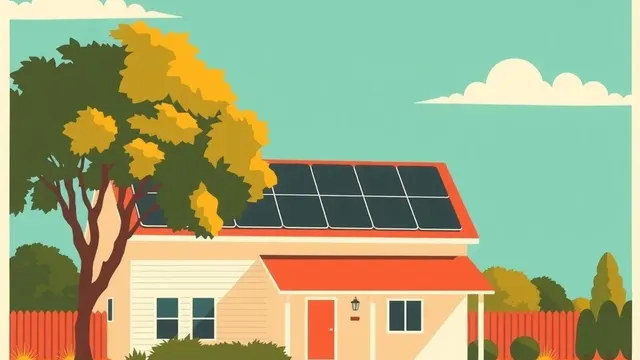
When you get a solar quote, you'll likely see these parts listed:
- Panels (also called modules), which make DC power.
- Racking, the mounts that attach panels to your roof or the ground.
- Inverter or microinverters, which make AC power.
- Disconnects and wiring, which let the system be safely shut off.
- Monitoring, which shows what the system produces.
- A battery, if you choose one.
- A connection to your utility, which usually needs the utility's approval before the system is turned on.
All of this ties into your home's electrical system and roof. Rooftop solar should be designed and installed by licensed professionals, with permits and inspections. This isn't a DIY job, both for safety and because your utility, insurer and local building department will expect proper paperwork.
Small solar works the same way
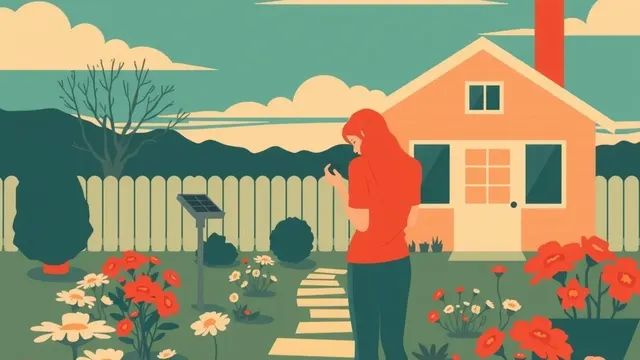
The same physics runs a solar garden light or a small folding panel that charges a portable battery. The difference is scale and safety. A tiny panel charging a self-contained battery is a reasonable beginner project. Connecting anything to your home's wiring is not. Our small solar projects guide has ideas that stay on the safe side of that line.
So, is it right for your home?
Knowing how panels work is step one. Whether they make sense for you depends on your roof, your sun, local electricity rates, utility rules and how long you plan to stay. Our guide to whether solar is worth it goes through each factor without promising numbers that depend on your situation.
Money questions matter too. Federal tax credits for home solar ended after 2025, so check our solar incentives guide for what that change means and where to look for state or utility programs instead.
Solar also isn't the only way to cut what you pull from the grid. Using less power to begin with often comes first, and our guide to lowering your electric bill explains how to read your bill and find your biggest loads. If someone tries to sell you a paid solar plan or course along the way, our Choosing Plans & Programs section explains how to judge it.
Something to do this weekend
Go outside a few times on a sunny day, say morning, midday and late afternoon, and notice where shadows from trees, chimneys and nearby buildings fall on your roof or yard. Jot down which parts stay sunny the longest. That one sketch will help you understand any solar quote you get later, and it's useful for small solar projects too.
Want a step-by-step plan or guide?
Some people like the structure of a paid guide or set of plans. This button opens a third-party program from one of our advertising partners. Its claims are its own, not ours, so weigh them against our checklist for judging paid plans.
See the partner program →We may be paid when you click. The program shown can change. Read its terms before you buy anything. How this works
Frequently asked questions
Do solar panels work on cloudy days?
Yes, but they produce less. Panels respond to daylight, not heat, so output drops under thick clouds and rises again when the sun comes back. Shade from trees or buildings usually matters more than the occasional gray day.
Do solar panels work during a power outage?
Most grid-tied systems are designed to shut off during an outage so they don't send power onto lines that utility crews are repairing. To keep some power during outages, a system needs a battery and the right equipment, set up by a licensed installer.
What does an inverter do?
Solar panels make direct current (DC), but your home runs on alternating current (AC). The inverter converts one to the other so the power can run your lights and appliances or flow back to the grid.