How to Make a Wildlife-Friendly Garden
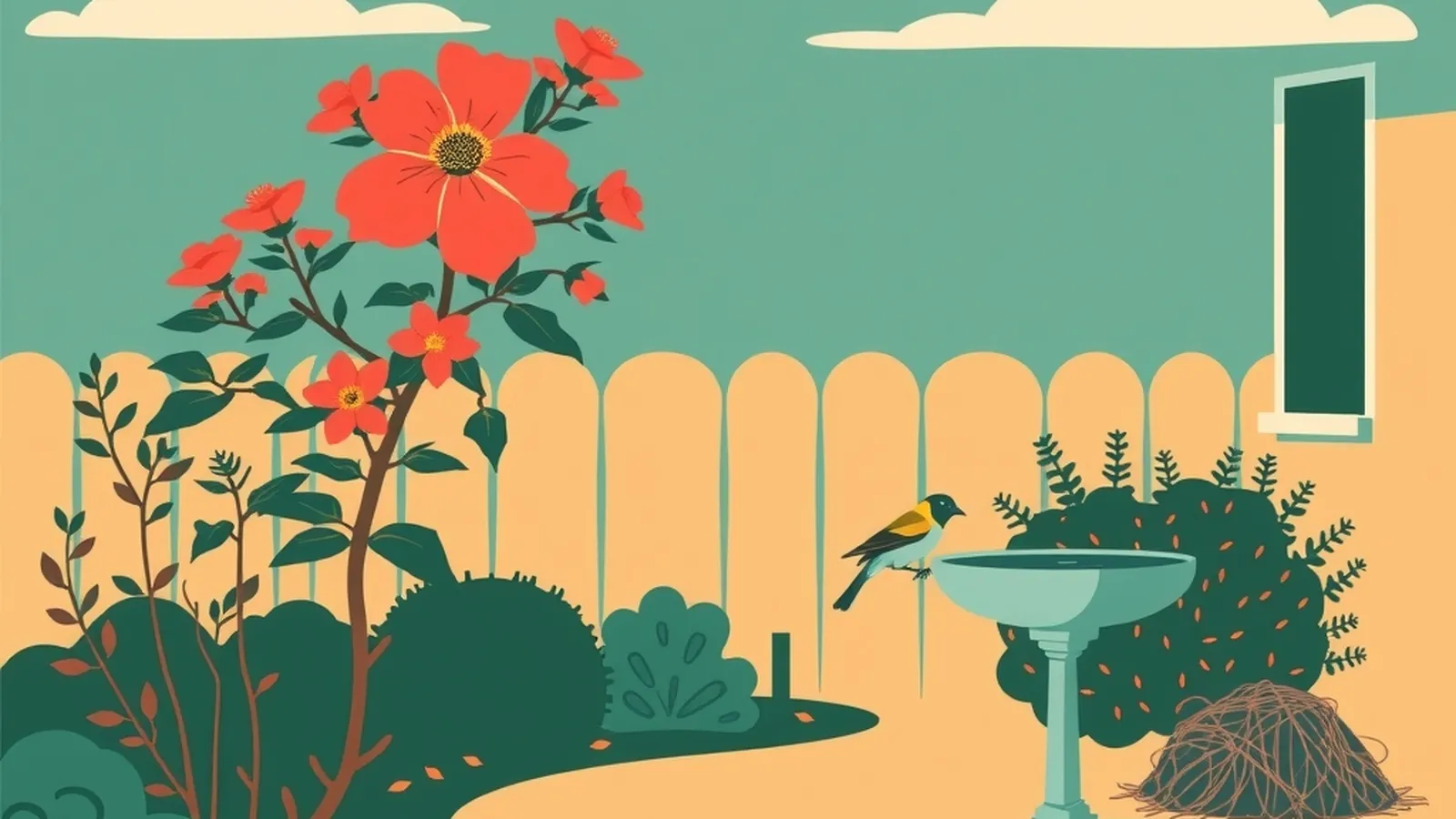
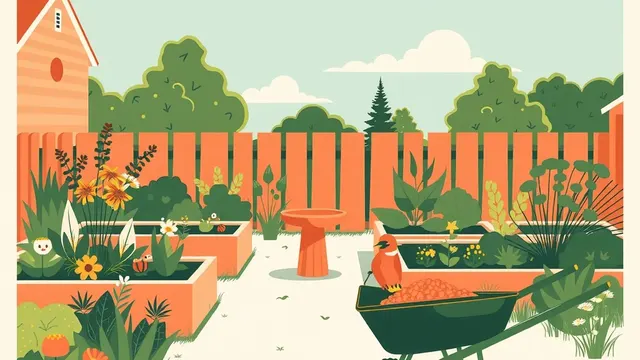
To make a wildlife-friendly garden, give animals what they need: native plants for food, shrubs and brush for shelter, a clean, shallow water source, and some leaves and stems left in place over winter. Turn off or dim outdoor lights at night and go easy on pesticides. You don't need a big yard; even a balcony with a few native plants and a water dish can help.
A wildlife-friendly yard is where everything in our Green Garden section comes together: healthy soil, natives, fewer chemicals and a little patience.
The four things wildlife needs
| Need | What it looks like in a yard |
|---|---|
| Food | Native plants, seeds, berries, nectar and the insects natives host |
| Water | A shallow birdbath, a pebble dish or a small pond |
| Shelter | Shrubs, small trees, brush piles, leaf litter and standing stems |
| A place to raise young | Dense shrubs, nest boxes, bare ground for ground-nesting bees |
You don't have to provide everything at once. Add one piece each season.
Food: start with plants
Native plants are the base of a backyard food web. They feed caterpillars and other insects, which in turn feed birds and other animals. Seeds, berries and nectar feed many more.
- Plant layers: groundcovers, perennials, shrubs and, if you have room, a small tree.
- Choose plants that bloom and fruit at different times so there's something to eat most of the year.
- Leave seed heads standing on flowers like coneflowers and sunflowers into winter.
Our native plants guide explains how to find species for your region, and our pollinator-friendly yard guide covers blooms through the seasons.
Bird feeders
Feeders can supplement food, especially in winter. If you use one, clean it regularly following guidance from your state wildlife agency or a bird conservation group, since dirty feeders can spread disease. Clean up spilled seed so it doesn't attract rodents. Avoid feeding other wildlife, like raccoons, deer or waterfowl.
Water
A clean, shallow water source can draw in birds, bees and butterflies.
- Choose a shallow dish or birdbath with gently sloping sides.
- Add stones so insects and small birds can land.
- Change the water every few days to keep it clean and stop mosquitoes from breeding.
- Place it near cover, like a shrub, so birds can escape predators, but not so close that cats can hide right beside it.
- Scrub it regularly with a brush and water.
Shelter: a little less tidy
Many creatures need places to hide, nest and spend the winter. A slightly messier yard helps.
- Leave some leaves in beds and under shrubs in fall. Clear them from lawns, paths and storm drains as needed.
- Leave some stems standing over winter; some bees nest in hollow stems.
- Make a small brush pile from branches in a back corner, if your space and local rules allow.
- Keep a log or a few large rocks in a shady spot for beetles, toads and salamanders.
- Add a nest box suited to local birds, placed and maintained per guidance from a local bird group.
Tidy where people see it, a little wilder in the back. Many people find that balance works well with neighbors and HOAs.
Lights off at night
Bright outdoor lights can disrupt night-flying insects, migrating birds and other animals that rely on darkness.
- Turn off outdoor lights you don't need.
- Use motion sensors for security lights so they're only on when needed.
- Point lights down and use shielded fixtures.
- Choose warmer-colored bulbs for outdoor fixtures, which some wildlife groups suggest are less disruptive.
Go easy on chemicals
Pesticides and herbicides can harm insects, birds, amphibians and pets. Use hands-on methods first, and if you use any product, follow its label exactly. Our chemical-free weed control guide and organic gardening basics guide explain gentle methods for weeds and pests.
Wildlife and the vegetable garden
Some wildlife will want your vegetables, too. Netting, fencing and row covers protect crops without harming animals. Planting a few extra flowers near the vegetable bed can bring in helpful insects that eat pests. Our growing your own food guide covers easy crops to start with.
Window collisions and pets
- Windows: birds can fly into glass that reflects sky or plants. Place feeders very close to windows or well away from them, and consider window markers or screens. A local bird conservation group can suggest options.
- Pets: outdoor cats can catch birds and other small animals. Many wildlife groups suggest keeping cats indoors or supervised outside.
Free local help
Your state wildlife agency, Extension office and local native plant society often have free guides on backyard habitat for your region. Our free resources guide explains how to find your Extension office.
Small yards, big feelings
It's easy to feel that one yard can't make a difference. But many small habitats add up across a neighborhood, and the act of watching birds and bees return can be its own reward. If worry about nature is weighing on you, our guide to avoiding eco guilt and burnout offers ways to focus on what you can control.
Worked example
Example: Sky lives in a duplex with a small fenced backyard. They added a shallow birdbath next to a native shrub, left leaves under the shrubs in fall and switched the floodlight to a motion sensor. In spring they planted three native perennials along the fence. By summer, they were seeing more birds and butterflies than before.
A season-by-season wildlife calendar
| Season | Simple tasks |
|---|---|
| Spring | Wait to cut back old stems until weather warms; clean birdbaths; plant natives |
| Summer | Keep water fresh; let some flowers go to seed; avoid trimming shrubs where birds nest |
| Fall | Leave leaves in beds; leave seed heads standing; plant shrubs and trees |
| Winter | Keep feeders clean if you use them; keep a water source open where safe; plan next year's plants |
If you're unsure about timing in your region, your Extension office or a local bird group can help.
Something to do this weekend
Set out a shallow dish of water with a few stones in it near a shrub or plant, and look at your outdoor lights after dark. Turn off any that don't need to be on, and make a note to add a motion sensor to the one you keep.
Want a step-by-step plan or guide?
Some people like the structure of a paid guide or set of plans. This button opens a third-party program from one of our advertising partners. Its claims are its own, not ours, so weigh them against our checklist for judging paid plans.
See the partner program →We may be paid when you click. The program shown can change. Read its terms before you buy anything. How this works
Frequently asked questions
How do I attract birds to my garden?
Native plants that produce seeds and berries, a clean shallow water source and shrubs or small trees for cover all help. Native plants also host insects, which many birds feed to their young.
Should I leave leaves on the ground in fall?
Leaving some leaves in garden beds and under shrubs gives shelter to insects and other small animals over winter. You can still clear them from lawns, paths and drains where they cause problems.
Is it okay to feed wild animals?
Bird feeders are popular and fine for many people if kept clean. Avoid feeding other wildlife like raccoons, deer or geese, which can cause problems for the animals and your neighbors. Check local rules, since some areas restrict feeding.