Water-Wise Landscaping for Beginners
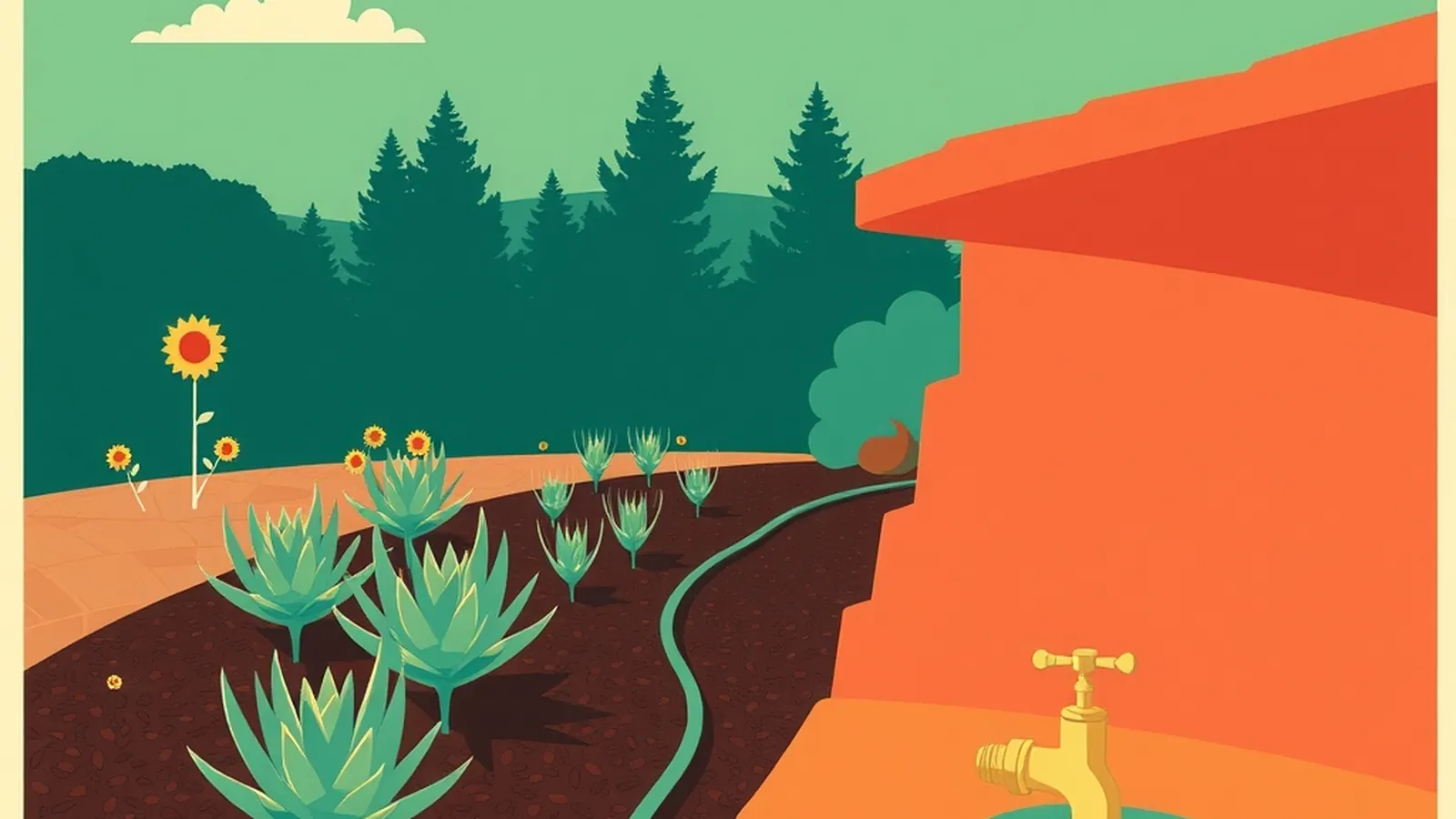
Water-wise landscaping means grouping plants by how much water they need, building healthy soil, covering it with mulch, watering deeply at the roots in the early morning and choosing plants that suit your climate. Drip irrigation or soaker hoses put water where roots can use it. Together, these steps can reduce outdoor water use while keeping plants healthy, though results depend on your climate, soil and plant choices.
Watering connects almost every guide in our Green Garden section, and it's often where a yard uses the most water.
Start with the right plants
The easiest water to save is water you never have to use. Plants suited to your local rainfall and climate generally need less help once established. Many native plants fit that description, and our native plants guide explains how to find them. Large areas of thirsty lawn are often the biggest outdoor water user, so our lawn alternatives guide is worth a look if you have a big lawn.
Group plants by water need
This idea, sometimes called hydrozoning, means putting thirsty plants together and drought-tolerant plants together so you can water each group the right amount.
| Zone | Typical plants | Where to put it |
|---|---|---|
| Higher water | Vegetables, annual flowers, containers | Close to the house and hose, where you'll notice when they need water |
| Moderate water | Many perennials and shrubs | Middle areas of the yard |
| Low water | Established natives and drought-tolerant plants | Farther from the house, hot or dry spots |
If you mix a thirsty vegetable bed with drought-tolerant plants, you'll either overwater one or underwater the other.
Build soil that holds water
Healthy soil acts like a sponge. Compost helps sandy soil hold water and helps clay soil drain and absorb rain instead of shedding it. Our organic gardening basics guide covers soil tests and composting.
Mulch, mulch, mulch
Mulch slows evaporation, keeps roots cooler and smothers many weed seeds.
- Use what's available: shredded leaves, wood chips, straw for vegetable beds or pine needles.
- Spread a layer a few inches deep, following local advice.
- Keep mulch away from stems and trunks to avoid rot.
- Top it up as it breaks down.
Mulch is also one of the best tools for weed control, as our chemical-free weed control guide explains.
Water smarter
When to water
- Early morning is generally best, with less evaporation and wind.
- Avoid midday in hot weather, when much of the water evaporates.
- Evening watering can leave leaves wet overnight, which some plants don't like.
How to water
- Water deeply and less often. This encourages deeper roots.
- Water the soil, not the leaves. Aim at the root zone.
- Check before you water. Push a finger into the soil. If the top inch or two is dry, it's usually time.
- Adjust for weather. Skip watering after a good rain. A simple rain gauge helps.
- Watch containers. Pots dry out faster and may need daily checks in summer.
Drip irrigation and soaker hoses
Drip lines and soaker hoses deliver water slowly at soil level, so less is lost to wind, runoff and evaporation.
- Basic kits connect to an outdoor faucet and are a common weekend project. Follow the kit's instructions.
- Use a timer at the faucet so watering happens early in the morning.
- Check emitters each season for clogs and leaks.
- Leave bigger jobs to a pro. Systems that tie into your home's supply lines may need a backflow preventer, a licensed plumber or irrigation professional, and a permit, depending on local rules.
Sprinklers
If you use sprinklers, aim them so water lands on plants rather than sidewalks, fix broken heads, and run them in shorter cycles if water runs off before it soaks in.
Use rainwater where allowed
A rain barrel can supply water for ornamental plants and some garden uses. Rules on collecting rainwater vary by state and sometimes by city, so check before you set one up. Our rain barrels and greywater guide covers setup, mosquito-proofing and greywater basics.
Follow local watering rules
Many communities set watering days, hours or seasonal restrictions, especially during droughts. Check your water utility's website. Some utilities offer free outdoor water checkups or rebates on efficient irrigation equipment; programs vary. Our free resources guide lists other places to find help at no cost.
Water-wise yards and wildlife
A water-wise yard can still be full of life. A shallow water dish, mulched beds and native plants give birds and insects food, water and shelter. Our backyard wildlife guide explains how to welcome them.
Worked example
Example: Riley's backyard had a vegetable bed in the far corner and thirsty annual flowers scattered everywhere. They moved the vegetables to a bed near the back door, replaced the scattered annuals with a cluster of native perennials along the fence, and mulched everything with shredded leaves. They ran a soaker hose with a faucet timer set for early morning through the vegetable bed and hand-watered the natives only during their first summer.
Signs you're overwatering or underwatering
It can be hard to tell the difference, since both can make plants droop.
| Sign | Often means | What to try |
|---|---|---|
| Wilting with dry soil | Underwatering | Water deeply at the roots, then check again in a day or two |
| Wilting with soggy soil | Overwatering or poor drainage | Hold off watering; improve drainage with compost |
| Yellow lower leaves and wet soil | Often overwatering | Water less often and check soil first |
| Crispy brown leaf edges | Often too little water or heat stress | Water deeply in the morning and mulch |
| Water running off the surface | Soil isn't absorbing quickly | Water in shorter cycles and add organic matter |
If you can't figure out what's wrong, take a photo of the plant and a sample to your Extension office.
Watering on vacation
A faucet timer on a drip line or soaker hose can keep a garden going while you're away. Group containers together in partial shade and water them deeply before you leave. Asking a neighbor to check once or twice is still a good backup.
Something to do this weekend
Walk your yard with a notepad and sort your plants into three groups: thirsty, moderate and tough. Note which groups are mixed together. Then pick one bed and add a fresh layer of mulch, keeping it away from stems.
Want a step-by-step plan or guide?
Some people like the structure of a paid guide or set of plans. This button opens a third-party program from one of our advertising partners. Its claims are its own, not ours, so weigh them against our checklist for judging paid plans.
See the partner program →We may be paid when you click. The program shown can change. Read its terms before you buy anything. How this works
Frequently asked questions
What time of day is best to water plants?
Early morning is usually best. It's cooler and often less windy, so less water is lost to evaporation, and leaves have time to dry, which can help reduce some plant diseases.
Is drip irrigation hard to install?
Basic drip kits that connect to an outdoor faucet are a common DIY project. Anything that ties into your home's water supply lines or needs a backflow device may require a licensed plumber or irrigation pro and a permit, depending on local rules.
How much mulch should I use?
Many gardeners use a layer around two to three inches deep, kept a few inches away from stems and tree trunks. Check your Extension office's advice for your plants and climate.