Lawn Alternatives for a Lower-Maintenance Yard
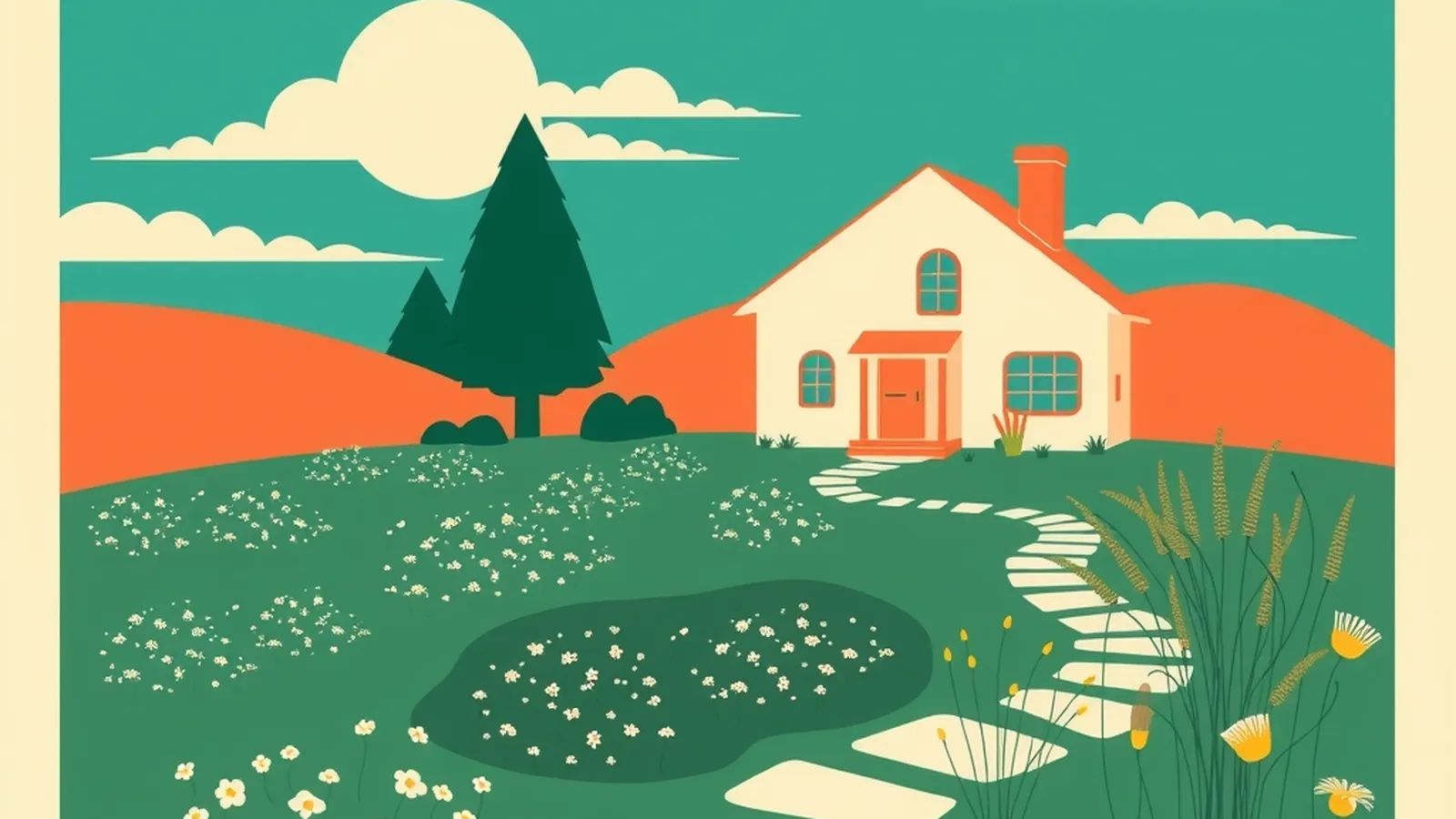
Good lawn alternatives include clover or a clover-grass mix, low-growing groundcovers, native grasses and wildflower meadows, and planted beds with mulched paths. Many of these can mean less mowing and, once established, less watering than a traditional lawn, while giving pollinators and other wildlife more to eat. Check your HOA rules, lease and local ordinances before you start, and begin with a small section.
Rethinking the lawn is one of the bigger projects in our Green Garden section, but you can start with a single strip.
Why people replace lawns
Lawns are useful for play and pets, but a large one of only grass often needs regular mowing, watering in dry spells and sometimes fertilizer or weed treatments. Many people keep some lawn where they use it and replace the rest.
Outdoor watering is often the biggest water use at home in summer. Our room-by-room water checklist shows how outdoor use fits with the rest of your household's water.
Options compared
| Option | Looks like | Foot traffic | Good for |
|---|---|---|---|
| Clover or clover-grass mix | Low, green, with small flowers | Moderate | Easy first step; keeps a lawn feel |
| Low groundcovers | Creeping plants a few inches tall | Light to moderate, depends on plant | Slopes, small areas, between stepping stones |
| Native grasses and sedges | Soft, often taller grasses | Light | Low-mow areas, dry or shady spots, depending on species |
| Wildflower meadow | Tall mixed flowers and grasses | Very light | Sunny open areas; pollinators |
| Planted beds and mulched paths | Garden beds with walkways | Paths only | Front yards, food gardens, native plantings |
Which plants work best depends on your region. Your Extension office and native plant society can suggest species suited to your climate. Our native plants guide explains how to find them.
Check the rules first
Before you change a lawn:
- HOA rules. Many HOAs regulate front yards, plant height and edging. Ask for approval in writing.
- Your lease. Renters need landlord permission for any change to the yard.
- Local weed or grass-height ordinances. Some cities limit plant height, though some make exceptions for registered native or pollinator gardens.
- Utility lines. Call 811 before you dig anywhere deeper than a few inches so underground lines can be marked.
- Water-wise landscaping programs. Some water utilities and cities offer rebates or guidance for replacing turf. Programs vary, so check yours.
How to switch, step by step
Option 1: Overseed with clover
- Mow the lawn short and rake out thatch.
- Spread clover seed per the package rate, in spring or early fall.
- Keep the soil moist until seedlings are established.
- Mow a little higher afterward and let some clover flower for pollinators.
Option 2: Smother and replant (sheet mulching)
- Mark the area. Start small, like a strip along a fence or a bed near the street.
- Mow the grass short and leave the clippings.
- Cover with plain cardboard, removing tape and glossy parts, and overlap the edges well.
- Wet it down and add a thick layer of compost or wood chips on top.
- Wait. Fall is a good time to start, so grass breaks down over winter and you can plant in spring.
- Plant through the layers by cutting holes for groundcovers, natives or other plants.
Option 3: Let a meadow grow
Meadows take planning. Many seed mixes sold as wildflower blends include plants that aren't native to your area, so read the species list or buy from a regional supplier. Prepare the site well, since existing grass and weeds compete hard with new seedlings, and expect a few seasons before it looks full.
Keep weeds in check during the switch
New beds and meadows can get weedy while plants fill in. Mulch, hand weeding and smothering handle most problems. Our chemical-free weed control guide covers these methods and how to use any product safely and by its label.
Watering a new planting
Even drought-tolerant plants need regular water during their first season. After that, many established lawn alternatives need less. Our water-wise yard guide explains drip irrigation, mulch and grouping plants by water need.
Keep some lawn if you use it
There's nothing wrong with keeping a patch of grass for kids, dogs or picnics. A smaller, well-used lawn plus planted areas is a balanced goal for many households.
Worked example
Example: Morgan has a sunny front yard and an HOA that requires a "neat" appearance. They got written approval to replace a strip along the sidewalk with native low grasses and flowers, edged with stone so it looked intentional. In fall they sheet-mulched the strip with cardboard and wood chips, then planted in spring. They overseeded the remaining lawn with clover and now mow less often.
Common worries about replacing a lawn
"It will look messy." Clean edges, a defined path and plants grouped in clumps make a planting look intentional. Some people add a small low fence or border along the sidewalk.
"My neighbors won't like it." Talk to them early. Many people come around once they see flowers and birds. Starting with a small, tidy section helps.
"It's too much work." The first season is the busiest, with watering and weeding while plants establish. After that, many lawn alternatives need less regular care than a frequently mowed lawn.
"What about ticks and pests?" Keep paths mowed or mulched and taller plantings away from areas where people sit and play. Your Extension office can tell you about local tick risks and prevention.
Start small and expand
A sensible pace for most households:
- Year one: overseed with clover or convert one small strip.
- Year two: see what worked, then expand that approach.
- Year three: add a second area or a small meadow patch if you have space.
Each step teaches you what grows well in your yard.
Something to do this weekend
Walk your yard and mark the areas you actually use for play, pets or relaxing. Everything else is a candidate for change. Then pull out your HOA rules or lease and read the section on landscaping so you know what's allowed before you plan.
Want a step-by-step plan or guide?
Some people like the structure of a paid guide or set of plans. This button opens a third-party program from one of our advertising partners. Its claims are its own, not ours, so weigh them against our checklist for judging paid plans.
See the partner program →We may be paid when you click. The program shown can change. Read its terms before you buy anything. How this works
Frequently asked questions
What is the easiest lawn alternative?
Overseeding an existing lawn with clover is often the simplest start, since you don't remove the grass. It can stay green with less watering in many climates and adds flowers for pollinators.
Can my HOA stop me from replacing my lawn?
It may. Many HOAs have rules about front yards, plant height and approved materials. Read your HOA documents and ask for approval in writing before you start. Some states have laws about water-wise landscaping in HOAs, so check locally.
How do I get rid of grass without chemicals?
Smothering, also called sheet mulching, is a common method. Cover the grass with cardboard and a thick layer of mulch or compost and wait several months for it to break down before planting.