Organic Gardening for Beginners
Organic gardening for beginners starts with the soil: add compost, keep the ground covered with mulch and avoid compacting it. Then choose plants that suit your sun, climate and space, water deeply and less often, and handle pests with the gentlest method first, such as picking them off or using a row cover. If you ever use a product, even one sold as organic, follow its label exactly.
Soil and plant choice are the base of everything else in our Green Garden section, from food crops to pollinator beds.
Start with the soil
Healthy soil is full of organic matter, tiny organisms, fungi and worms that help plants find water and nutrients. Most organic gardening comes back to feeding that soil life.
Get to know your soil
- Do a squeeze test. Grab a handful of moist soil and squeeze. Sandy soil falls apart, clay soil forms a sticky ball, and loam holds together loosely and crumbles when poked.
- Watch drainage. Dig a hole about a shovel deep, fill it with water and see how long it takes to drain. Water that sits for many hours suggests heavy soil or a drainage problem.
- Get a soil test. Many Cooperative Extension offices test soil or can point you to a lab. The results tell you about pH and nutrients so you don't add things your soil doesn't need. Our free resources guide explains how to find your local office.
Feed it with compost
Compost is decomposed plant material that improves almost any soil. It helps sandy soil hold water and helps clay soil drain. Spread a layer on top of beds each year, or mix some into new beds.
You can buy compost or make your own from yard waste and kitchen scraps. Our composting food scraps guide explains backyard bins, worm bins and city pickup programs.
Protect it with mulch
Mulch is a layer of material, like shredded leaves, straw or wood chips, spread over the soil. It keeps soil moist longer, keeps it cooler in summer, and smothers many weed seeds. Keep mulch a few inches away from plant stems and tree trunks.
Don't walk on it
Compacted soil squeezes out air and water. Make paths between beds and keep beds narrow enough to reach the middle from the edge.
Choose plants that suit your site
A plant that fits its spot needs less help from you. Before you buy:
| Question | Why it matters |
|---|---|
| How many hours of direct sun does the spot get? | Many vegetables and flowers want full sun; leafy greens and some natives handle part shade |
| What's your hardiness zone and frost date? | Sets which perennials survive winter and when to plant annuals |
| Is the soil wet, dry or in between? | Some plants rot in wet soil and others wilt in dry soil |
| How much space will it need when full-grown? | Crowded plants compete and get more disease |
| Is it native to your region? | Native plants often suit local conditions and wildlife well |
Our native plants guide explains how to find plants that belong in your area.
Water deeply, less often
Shallow daily watering encourages shallow roots. Deep watering a few times a week, depending on weather and soil, encourages roots to grow down. Water at the base of plants in the morning so leaves dry during the day. A finger in the soil is the best gauge: if the top inch or two is dry, it's usually time to water. Our water-wise yard guide goes further on drip irrigation and grouping plants by water need.
Gentle pest control, step by step
Pests are part of every garden. The goal is to keep damage tolerable, not to remove every insect. Try these steps in order:
- Look first. Check plants a few times a week, including under leaves. Catching problems early makes them easier to handle.
- Identify before you act. Many insects are helpers that eat pests. If you're not sure what you've found, take a photo to your Extension office.
- Use your hands. Pick off larger pests, knock aphids off with a spray of water and remove badly damaged leaves.
- Use barriers. Row covers, collars around seedlings and netting can protect crops.
- Invite natural predators. Flowers that bloom through the season attract beneficial insects. Our pollinator-friendly yard guide explains how to plan them.
- Only then consider a product. If you do, choose one labeled for that pest and that plant, read the whole label and follow it exactly, including timing, protective gear and when you can harvest. Never spray open flowers when bees are active, and keep products away from kids, pets, ponds and drains.
Don't mix homemade sprays from household products. They can harm plants, people and wildlife, and they don't come with tested directions.
Make room for wildlife
An organic garden is a good home for birds, toads, beetles and other creatures that help keep pests in check. Leaving some leaves, providing water and planting a mix of flowers all help. Our backyard wildlife guide covers how to welcome them.
Ready to grow food?
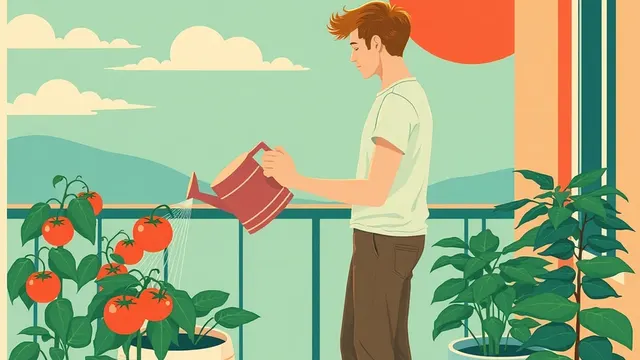
Once your soil is in decent shape, food crops are a natural next step. Our growing your own food guide lists easy crops and container options for small spaces.
Worked example
Example: Chris moved into a rental with a weedy, sunny side yard. With the landlord's okay, they had the soil tested through their Extension office, which showed low organic matter. They covered one small bed with cardboard and a thick layer of compost and mulch in fall, then planted herbs and bush beans the next spring. When aphids showed up, a spray of water from the hose and a few lacewings handled it.
Common beginner mistakes
- Adding fertilizer without a soil test. Extra nutrients your soil doesn't need can wash into waterways.
- Overwatering. Soggy soil can rot roots. Check before you water.
- Planting too close together. Read the spacing on the plant tag.
- Fighting every insect. Many are helpful; identify first.
Something to do this weekend
Do the squeeze test and the drainage test in the spot where you want to garden. Write down what you find. Then look up your local Extension office's soil testing page and see what it costs and how to send a sample.
Want a step-by-step plan or guide?
Some people like the structure of a paid guide or set of plans. This button opens a third-party program from one of our advertising partners. Its claims are its own, not ours, so weigh them against our checklist for judging paid plans.
See the partner program →We may be paid when you click. The program shown can change. Read its terms before you buy anything. How this works
Frequently asked questions
What does organic gardening mean?
At home, it generally means growing plants by building healthy soil with compost and organic matter, choosing plants suited to your site and preventing pests with hands-on methods before reaching for any product.
Are organic pesticides safe to use?
Products sold as organic or natural are still pesticides. They can harm people, pets, pollinators or fish if misused, so read the whole label and follow it exactly, and only use them when gentler methods haven't worked.
Do I need a soil test before I start?
It's a good idea, especially for a new bed. Many Cooperative Extension offices offer soil testing or can tell you where to send a sample, and the results show what your soil actually needs.