How to Make Your Yard Pollinator-Friendly
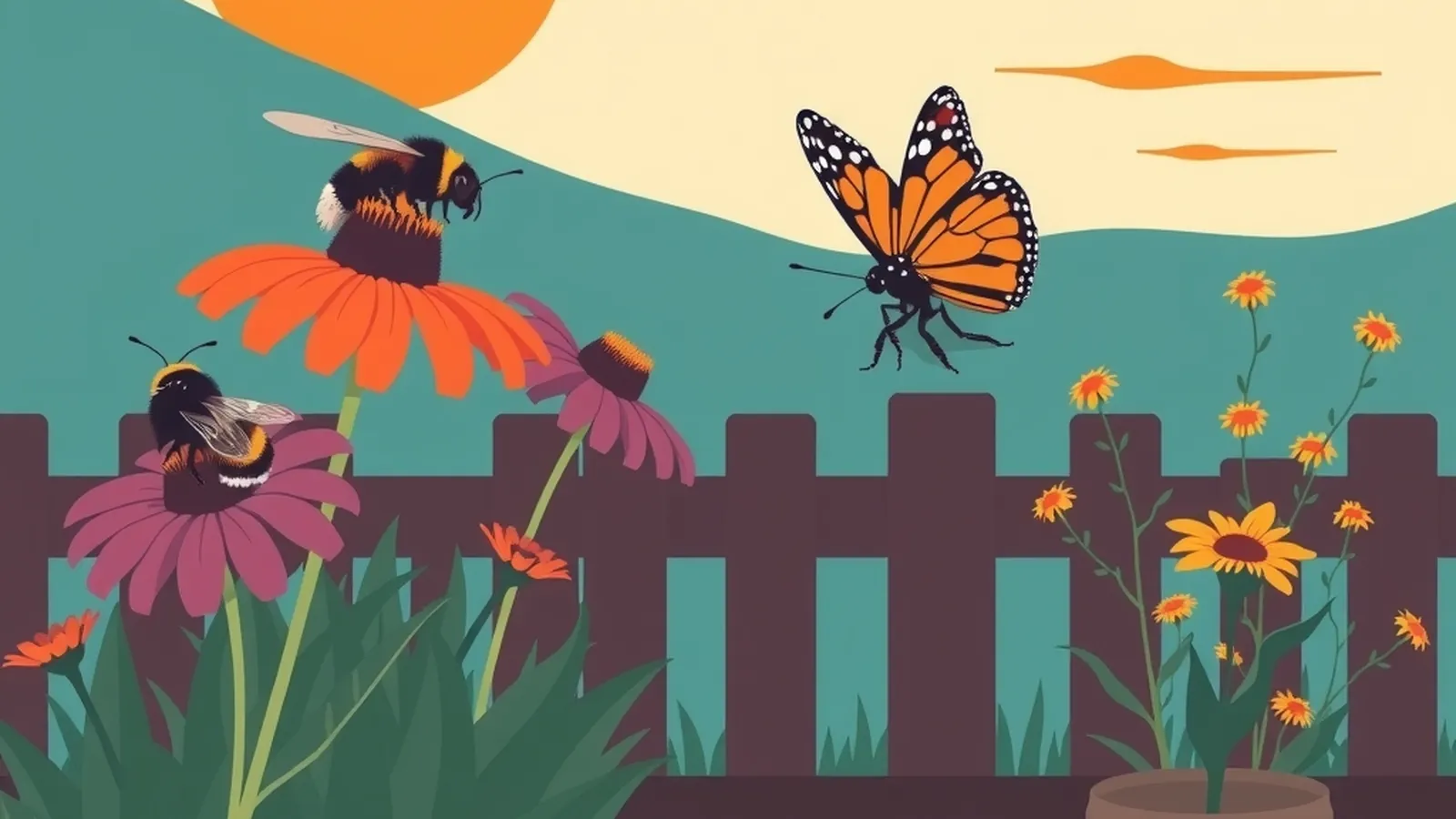
To help pollinators, plant a mix of flowers, especially native ones, that bloom from early spring to late fall, add a shallow water source and leave some bare ground, stems and leaves for shelter. Avoid spraying pesticides on or near open flowers. Even a few pots on a balcony can help bees, butterflies, moths and other pollinators find food.
Pollinators connect almost everything else in our Green Garden section, from food crops to native plants and backyard wildlife.
Who the pollinators are
When people think of pollinators, they often picture honeybees. But many other creatures move pollen from flower to flower, including native bees (bumblebees, mason bees, sweat bees and many more), butterflies, moths, flies, beetles and, in some regions, hummingbirds. Many native bees nest in the ground or in hollow stems instead of hives.
A yard that welcomes this whole range of visitors needs three things: food, water and shelter.
Food: flowers from spring to fall
Pollinators need nectar and pollen across the whole growing season, not just in early summer. Plan for blooms in three waves:
| Season | What to aim for | Examples to ask locally about |
|---|---|---|
| Early spring | Early flowers and flowering shrubs or trees | Native spring wildflowers, flowering fruit trees, early bulbs |
| Summer | Plenty of open, easy-to-reach flowers | Native coneflowers, bee balm, flowering herbs like oregano and thyme |
| Late summer and fall | Late bloomers that feed insects before winter | Native asters, goldenrods, sunflowers |
The best species depend on where you live. Native plants often suit local pollinators well, and our native plants guide explains how to find ones for your region.
Planting tips
- Plant in clumps. A patch of the same flower is easier for pollinators to find than single plants scattered around.
- Mix flower shapes. Flat, open flowers suit short-tongued bees and flies; tube-shaped flowers suit long-tongued bees, butterflies and hummingbirds.
- Let some herbs flower. Basil, oregano, thyme and chives are popular with bees when allowed to bloom.
- Include host plants. Many butterfly caterpillars need specific plants to eat. Expect a few chewed leaves; that's the point.
Water
Pollinators need water, especially in hot weather. A birdbath can be too deep for bees.
- Fill a shallow dish or saucer with pebbles or marbles and add water so stones stick out as landing spots.
- Change the water every few days so it stays clean and mosquitoes can't breed.
- Place it near flowers in partial shade.
Shelter
Many pollinators need places to nest and spend the winter.
- Leave some bare, sunny ground for ground-nesting bees.
- Leave some hollow or pithy stems standing over winter, then cut them back to different heights in spring.
- Leave some leaves under shrubs or in beds in fall; many insects shelter there.
- Consider a small brush pile in a back corner, if your space and local rules allow.
Our backyard wildlife guide covers more ways to provide shelter for birds, toads and insects.
Go easy on sprays
Pesticides, including some sold as natural or organic, can harm pollinators. A few guidelines:
- Try other methods first. Hand-picking, a strong spray of water and row covers handle many problems.
- Accept some damage. A few holes in leaves usually don't hurt a plant much.
- If you use a product, read the whole label. Follow it exactly. Many labels include bee warnings and instructions about timing.
- Never spray open flowers or plants when pollinators are visiting.
- Avoid drift. Don't spray on windy days.
- Don't make homemade sprays. They don't come with tested directions or safety information.
When you buy plants, you can ask the nursery whether they were treated with insecticides that may stay in the plant.
Shrink the lawn a little
A lawn of only grass offers pollinators very little. Replacing even a small strip with flowers, or letting clover grow, can add food. Our lawn alternatives guide covers clover, groundcovers and small meadows, along with HOA and local rules to check.
Pollinators in the vegetable garden
Many food crops, including squash, cucumbers, beans and tomatoes, benefit from visiting insects. Planting flowers around or between vegetable beds can help bring pollinators to them. Our growing your own food guide has easy crops to pair with a flower border.
Worked example
Example: Jesse has a small backyard that's mostly lawn. They replaced a sunny strip along the fence with native perennials recommended by their local native plant society: one early bloomer, two summer flowers and an aster for fall. They added a pebble dish of water, let a corner of the lawn grow clover, and stopped using a broad-spectrum spray on the roses, handpicking beetles instead. Bees showed up the first summer.
Pollinator plan for small spaces
You don't need a big yard to help. Here's how to scale the idea down:
| Space | What to try |
|---|---|
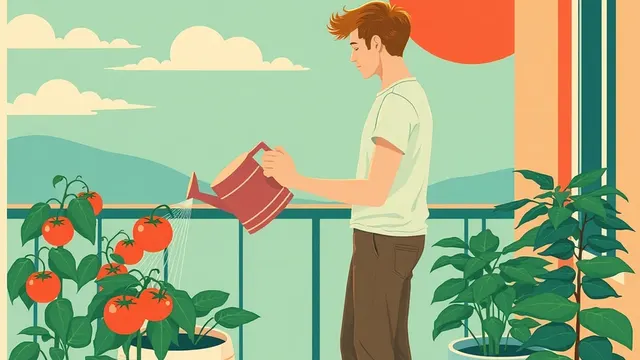
| A few pots on a balcony | Two or three native flowers plus a flowering herb like thyme or oregano, and a pebble water dish |
| A front step or stoop | A large container with a long-blooming native and a smaller one with an early or late bloomer |
| A narrow side yard | A strip of clumped natives against a fence or wall |
| A corner of a lawn | A small patch left to grow clover and low flowers |
| A community garden plot | A row of flowers along the edge of your vegetables |
Questions to ask at the nursery
- Is this plant native to my region?
- When does it bloom, and for how long?
- How much sun and water does it need once established?
- Is it a host plant for any local butterflies or moths?
- Were these plants treated with any insecticides?
Nursery staff won't always know every answer, but asking helps you compare plants and shows nurseries that shoppers care about pollinators.
Patience pays off
Pollinators may take a season to discover a new planting. Many perennials bloom more in their second or third year. Keep notes on which flowers get the most visitors and add more of those.
Something to do this weekend
Walk around your yard or balcony and count how many plants are blooming right now. Then think about which season has the fewest flowers, which is often early spring or fall. Pick one plant that blooms in that gap and add it to your list for the next planting season.
Want a step-by-step plan or guide?
Some people like the structure of a paid guide or set of plans. This button opens a third-party program from one of our advertising partners. Its claims are its own, not ours, so weigh them against our checklist for judging paid plans.
See the partner program →We may be paid when you click. The program shown can change. Read its terms before you buy anything. How this works
Frequently asked questions
What flowers are best for pollinators?
Native flowers suited to your region are often a strong choice, because local bees, butterflies and other insects evolved alongside them. Aim for a mix of shapes, colors and bloom times so something is flowering from spring to fall.
Can I help pollinators on a balcony?
Yes. A few pots of flowering herbs and native flowers, plus a shallow dish of water with pebbles, can give pollinators food and a place to drink. Choose plants that suit your light.
Is it safe to spray pesticides in a pollinator garden?
Try gentler methods first. If you use any pesticide, follow its label exactly, avoid spraying open flowers and spray only when pollinators aren't active, as the label directs. Some products are especially harmful to bees, and the label says so.