How to Start Growing Your Own Food
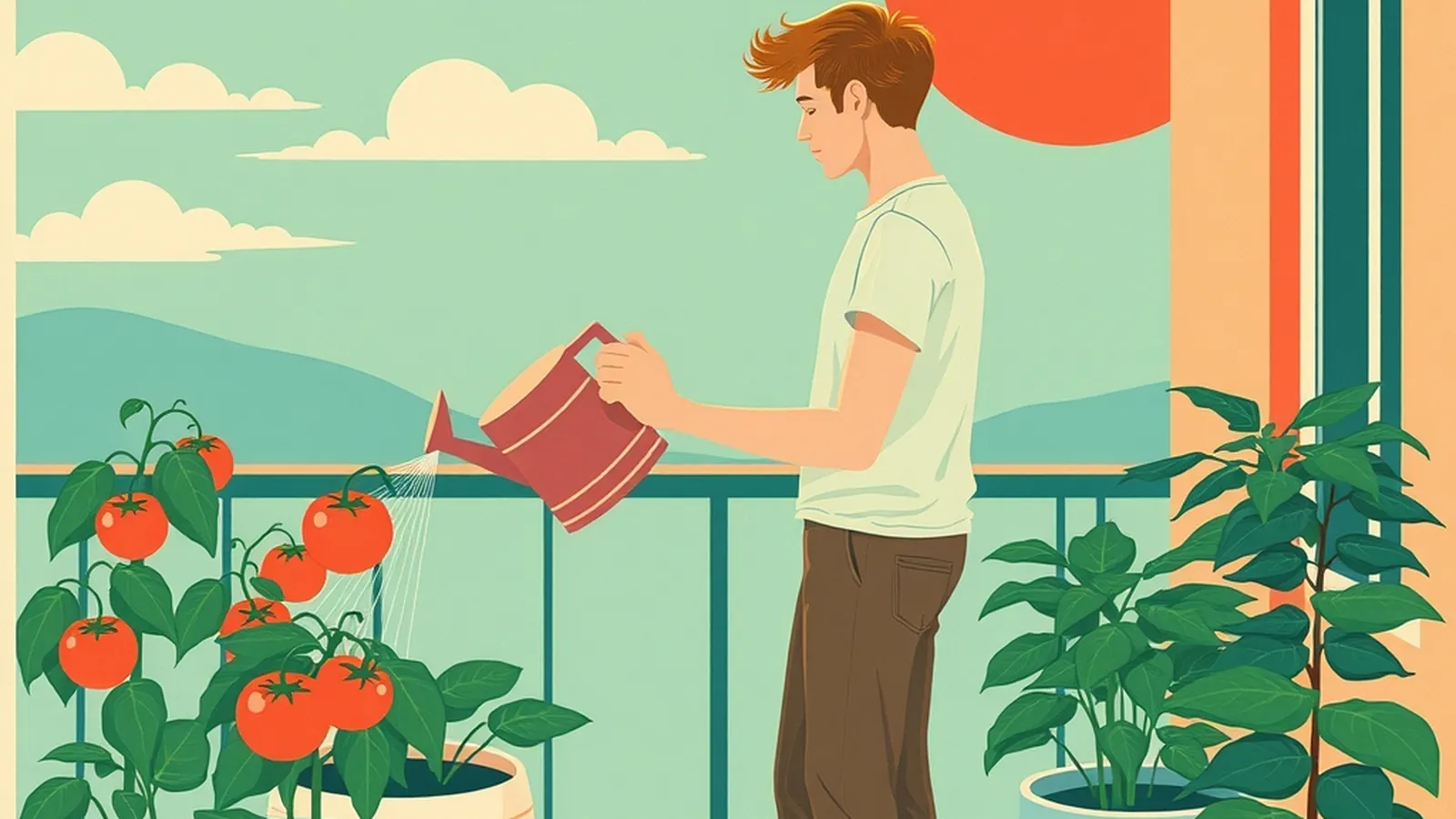
To start growing your own food, pick a sunny spot, choose three to five easy crops your household already eats, and start small with a few containers or one bed. Plant at the right time for your area, water regularly and harvest often. Your local Cooperative Extension office can tell you the right planting dates and varieties for your region.
Food crops are one of the most rewarding parts of our Green Garden section, and you don't need a big yard or a lot of money to try.
Start small on purpose
The most common beginner mistake is planting too much. A huge garden in May often turns into a weedy, stressful one by July. A small garden you can care for is better than a big one you can't.
A good first-year plan:
- One raised bed, or four to six large containers.
- Three to five crops.
- Plants you'll actually eat. If nobody likes radishes, don't grow radishes.
Easy crops for beginners
| Crop | Season | Space | Notes |
|---|---|---|---|
| Lettuce and salad greens | Cool (spring, fall) | Small; good in containers | Pick outer leaves and the plant keeps growing |
| Radishes | Cool | Very small | Fast; good for impatient gardeners |
| Bush beans | Warm | Small to medium | No trellis needed; pick often |
| Cherry tomatoes | Warm | Medium; large pot | Need a stake or cage and full sun |
| Basil | Warm | Small | Pinch off flower buds to keep leaves coming |
| Chives, mint, parsley | Cool to warm | Small | Mint spreads, so keep it in its own pot |
| Zucchini | Warm | Large | One plant is often plenty for a small household |
| Peppers | Warm | Medium; large pot | Like heat and steady water |
Your climate matters. Some crops struggle in very hot summers or short seasons, so ask your Extension office which varieties do well near you. Our free resources guide explains how to find your local office and what else it offers.
Container gardening basics
Containers let renters and balcony gardeners grow food without digging up a yard.
- Choose big pots. Larger containers hold more soil and water, so they dry out more slowly. Tomatoes and peppers want the biggest pots you can fit.
- Make sure they drain. Every pot needs a drainage hole.
- Use potting mix, not garden soil. Garden soil gets heavy and compacted in pots.
- Find the sun. Most fruiting crops want six or more hours of direct sun. Leafy greens and herbs handle a bit less.
- Water more often than you'd expect. Containers can dry out quickly in summer heat. Check daily in hot weather by touching the soil.
- Feed lightly. Potting mix runs low on nutrients over the season. If you use a fertilizer, follow the label.
Check your lease or building rules before you put heavy pots on a balcony, and use saucers so water doesn't drip onto neighbors below.
When to plant
Crops fall into two broad groups:
- Cool-season crops like lettuce, spinach, peas and radishes grow best in spring and fall. Many handle a light frost.
- Warm-season crops like tomatoes, peppers, beans, basil and squash need warm soil and are killed by frost. Plant them after your last spring frost.
Look up your local average last and first frost dates, ideally from your Extension office, rather than following a calendar from another part of the country.
Seeds or transplants?
| Seeds | Transplants (young plants) | |
|---|---|---|
| Good for | Beans, radishes, lettuce, peas, squash | Tomatoes, peppers, many herbs |
| Pros | More variety, lower cost per plant | A head start, easier for beginners |
| Watch for | Seeds need steady moisture to sprout | Choose stocky plants with healthy leaves |
Many beginners mix both: seeds for quick crops and transplants for slow ones.
Help your harvest along
Healthy soil and helpful insects make a big difference to how food crops do.
- Soil: compost and mulch help almost any garden. Our organic gardening basics guide covers soil, watering and gentle pest control.
- Pollinators: squash, beans, tomatoes and many other crops benefit from visiting insects. Planting flowers nearby helps, and our pollinator-friendly yard guide explains how.
- Native plants: a few natives near the vegetable bed can draw in beneficial insects. See our native plants guide for how to choose them.
Plan meals around the harvest
Homegrown food is easy to waste when it all ripens at once. A few habits help:
- Plant small amounts of quick crops every couple of weeks instead of all at once.
- Pick often; many crops produce more when you harvest regularly.
- Build meals around what's ready this week.
Our meal planning for less waste guide has a weekly template that works well with a garden.
Worked example
Example: Mo lives in a second-floor apartment with a sunny balcony. After checking the building rules, they set up four large pots with potting mix: one cherry tomato with a cage, one with basil and parsley, one with lettuce and one with bush beans. They watered every morning in summer, picked lettuce leaves for lunches and planted a second round of lettuce in late summer for fall.
Common first-year mistakes
| Mistake | What to try instead |
|---|---|
| Planting too much at once | One bed or a few pots, then grow next year |
| Not enough sun | Watch your spot for a full day before planting |
| Small pots for big plants | Use the largest container you can for tomatoes and peppers |
| Planting warm crops too early | Wait until after your last frost date |
| Uneven watering | Check soil daily in summer and water deeply when dry |
| Waiting too long to harvest | Pick greens, beans and herbs often to keep them producing |
Nobody gets every crop right in the first year. Keep a simple notebook of what you planted, when and how it did. Those notes will be more useful next spring than any general guide, because they're about your space.
Community gardens and shared plots
If you don't have sun at home, a community garden plot may be an option. Many cities, churches, libraries and nonprofits run them. They often come with shared tools, water access and experienced neighbors who are happy to answer questions.
Something to do this weekend
Write down five vegetables or herbs your household eats every week. Circle the ones in the easy crops table above. Then check how many hours of direct sun your best spot gets. That short list and your sun hours are your first garden plan.
Want a step-by-step plan or guide?
Some people like the structure of a paid guide or set of plans. This button opens a third-party program from one of our advertising partners. Its claims are its own, not ours, so weigh them against our checklist for judging paid plans.
See the partner program →We may be paid when you click. The program shown can change. Read its terms before you buy anything. How this works
Frequently asked questions
What is the easiest food to grow for beginners?
Herbs like basil, mint and chives, leafy greens like lettuce, and quick crops like radishes and bush beans are often forgiving for beginners. Cherry tomatoes are a popular summer choice. Pick foods your household already eats.
Can I grow food on a balcony?
Yes, if it gets enough sun. Many herbs, greens, peppers, bush beans and compact tomatoes grow well in large containers. Check your lease or building rules about weight and water runoff first.
When should I plant my garden?
It depends on your local frost dates. Cool-season crops like lettuce and peas go in around early spring, and warm-season crops like tomatoes and beans go in after the last frost. Your Cooperative Extension office can give you local dates.