How to Store Water for Emergencies
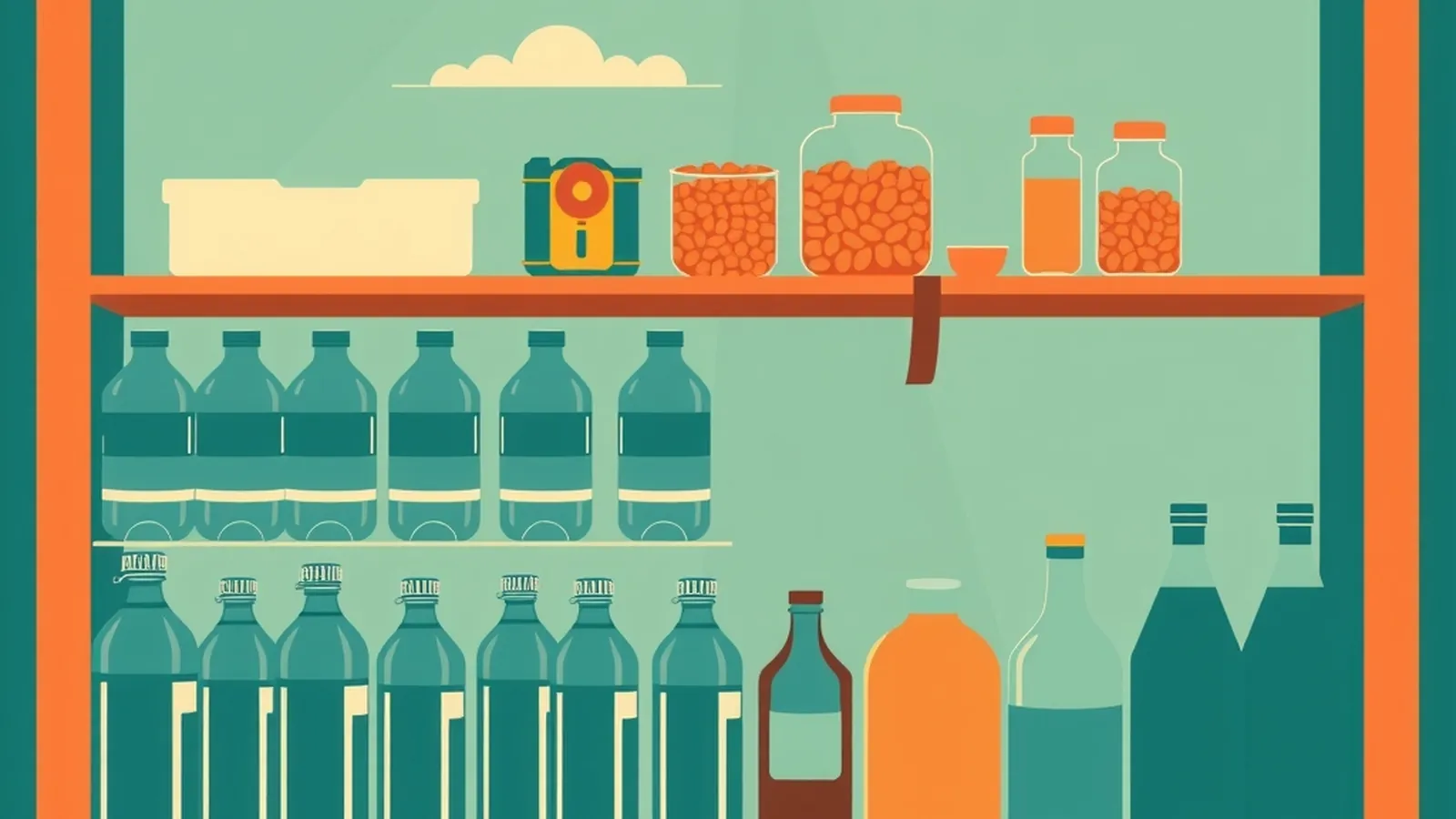
To store water for emergencies, plan on at least one gallon per person per day for several days, as Ready.gov recommends, and keep it in sealed store-bought bottles or clean food-grade containers in a cool, dark place away from chemicals. Add extra for pets and hot weather, label each container with the date and rotate your supply on a regular schedule. Start with a few days' worth; you can build from there.
Most of our Saving Water section is about using less water. This guide is about the other side: having safe water on hand when the tap isn't an option.
Why store water at all
Storms, power outages, wildfires, earthquakes, pipe breaks and boil-water notices can all interrupt safe tap water, sometimes for days. Stores may run out of bottled water quickly when a warning goes out. A small home supply means you can drink, cook and wash up while things get sorted out.
How much to store: the Ready.gov guideline
Ready.gov, the federal government's preparedness site, recommends storing at least one gallon of water per person per day, for several days. That gallon covers drinking and basic hygiene like brushing teeth. It's a minimum, not a target, so plan extra for:
- Pets. Check with your vet about how much your animals usually drink.
- Hot weather. People often need more water in heat.
- Anyone with higher needs, such as someone who is pregnant, nursing, ill or very active.
- Cooking. If your emergency food needs water to prepare, count that too.
A worked example
Example: Robin and their partner live with one dog in a two-person apartment. They decide to start with a three-day supply. Using the one-gallon-per-person-per-day guideline, two people for three days means at least six gallons. They add a little more for the dog after checking with their vet, and a bit extra because their summers run hot. Over the next few months, they build up toward a longer supply as space allows.
| Household | Minimum for three days, per the guideline |
|---|---|
| One person | Three gallons |
| Two people | Six gallons |
| Three people | Nine gallons |
| Four people | Twelve gallons |
Add pets and any extra needs on top of these numbers.
Choosing containers
| Option | Good for | Things to know |
|---|---|---|
| Store-bought bottled water | The simplest start | Keep sealed; follow the date on the container |
| Food-grade water jugs | Filling your own from the tap | Choose ones made for drinking water, with tight caps |
| Larger food-grade water barrels | Houses with storage space | Heavy when full; need a pump or spigot to dispense |
| Clean, food-grade soda or juice bottles | Small, free containers | Wash well and rinse; avoid any that held non-food liquids |
Avoid containers that ever held chemicals, cleaning products or anything that isn't food or drink. Many preparedness guides also advise against milk and juice jugs with paper-thin plastic, because they're hard to clean fully and can break down over time.
Filling your own containers
- Wash the container with dish soap and water and rinse it well.
- Sanitize it following current instructions from Ready.gov, the CDC or your local health department, and follow the product label exactly if you use a household bleach product. Never mix bleach with other cleaners.
- Fill with tap water from a public utility or a well you know is safe.
- Cap it tightly without touching the inside of the cap.
- Write the date on the container with a marker or tape.
Where to keep it
- Cool and dark. A closet, under a bed, or a basement shelf works better than a hot garage or sunny porch.
- Away from chemicals. Keep stored water away from gasoline, pesticides, paint and cleaners, since vapors can pass through some plastics.
- Spread out if you can. A few gallons in a closet and a few in a car trunk in cooler months can help if you need to leave home.
- Easy to reach. If it's buried behind boxes, you'll forget to rotate it.
Rotating your supply
Water itself doesn't spoil, but containers can break down and stored water can pick up tastes over time.
- Store-bought water: follow the date on the bottle.
- Water you bottle yourself: a common rule of thumb is to empty and refill it about every six months.
- Use the old water well. Pour it on plants or use it for cleaning instead of down the drain.
- Pick two easy dates. Many people use the start of spring and fall. Our water-wise habits guide has ideas for building reminders into your routine.
Water plus power
Outages often come with water problems, and the two plans work together. A home without power may lose a well pump, and a fridge full of water bottles stays cold longer. If you're planning for longer outages, our home battery backup guide explains how backup power works and why generators must never run indoors or in a garage.
Everyday water and backup water
Storing water and saving water aren't opposites. Fixing leaks and using efficient fixtures help your system every day, while a stored supply covers the days when it isn't working. Our room-by-room water checklist and low-flow fixtures guide cover the everyday side.
Common storage mistakes
A few slip-ups come up again and again. Watch for these when you set up your supply:
- Storing it all in one heavy barrel you can't move. A mix of large and small containers is easier to carry, pour and take with you if you have to leave.
- Forgetting a way to pour. A large jug or barrel is hard to use without a spigot or pump. Test your setup before an emergency.
- Keeping water next to the gas can. Garages and sheds often hold fuel, pesticides and paint. Pick a different spot.
- Never checking it. Containers can crack or leak slowly. A quick look during your twice-a-year check catches problems early.
- Counting only drinking water. Brushing teeth, washing hands and simple cleanup all use some of your supply, so the one-gallon guideline goes faster than people expect.
A small grab-and-go supply
If you might need to leave home quickly, keep a few sealed bottles in a bag or bin by the door along with your other emergency supplies. Smaller bottles are easy to share and carry. Rotate these along with the rest of your stored water.
Something to do today
Count the people and pets in your home and multiply the people by three to get a minimum three-day gallon count using the Ready.gov guideline. Then check what you already have. If you're short, add a case or a few jugs of water to your next shopping trip and write today's date on them.
Want a step-by-step plan or guide?
Some people like the structure of a paid guide or set of plans. This button opens a third-party program from one of our advertising partners. Its claims are its own, not ours, so weigh them against our checklist for judging paid plans.
See the partner program →We may be paid when you click. The program shown can change. Read its terms before you buy anything. How this works
Frequently asked questions
How much water should I store for an emergency?
Ready.gov recommends at least one gallon of water per person per day, for several days. Plan extra for pets, hot weather and anyone who may need more, and adjust for your household's needs.
What containers are safe for storing water?
Unopened store-bought bottled water is the simplest option. If you fill your own, use food-grade water containers that are clean and have tight lids. Avoid containers that held chemicals, and many guides advise against milk jugs because they're hard to clean and can break down.
How often should I replace stored water?
Follow the date on store-bought water. For water you bottle yourself, a common rule of thumb is to empty and refill it about every six months. Pick two dates a year and make it part of your routine.