Home Battery Backup: A Plain-English Guide
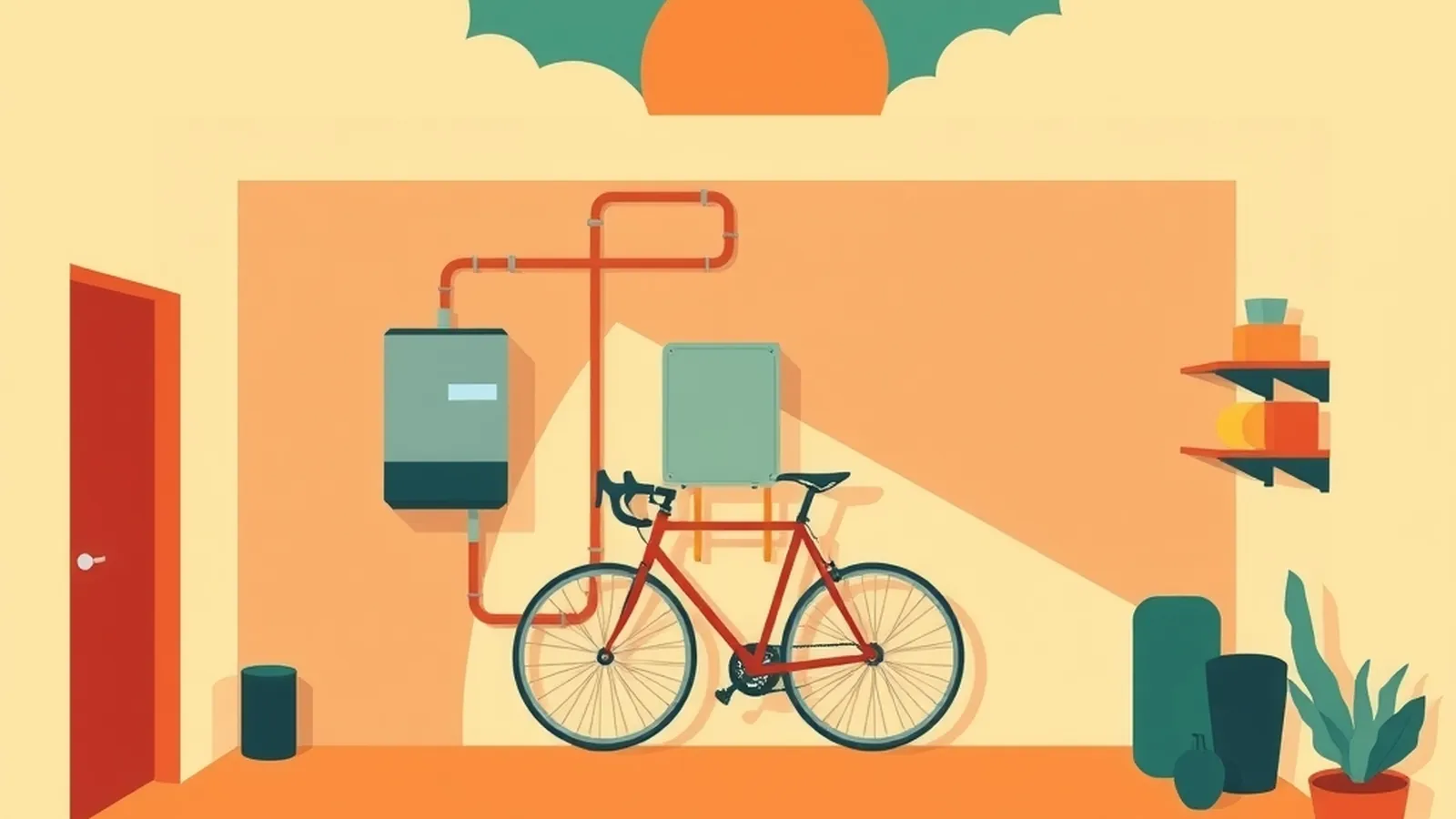
A home battery stores electricity, from your solar panels, the grid or both, and supplies it to your home when you need it. During an outage, a properly installed battery system can keep selected circuits running, like your fridge, lights and internet. It connects to your electrical panel, so it must be installed by licensed professionals with permits.
Batteries are a big step up from a portable power station, both in what they can do and in cost and complexity. This guide covers how they work, how they pair with solar and how to plan for outages safely. It's part of our Solar & Backup Power section.
How a home battery works
At its core, a home battery is a large rechargeable battery bank with its own controls. Most use lithium-ion chemistry. The system includes:
- The battery itself, mounted on a wall or floor, indoors or outdoors depending on the product and local code.
- An inverter, which may be built in or separate, to convert stored DC power to AC for your home.
- A transfer switch or gateway, which disconnects your home from the grid during an outage so the battery can power it safely.
- Controls and monitoring that decide when to charge and when to discharge.
That transfer equipment is important. It prevents your battery from sending power onto utility lines during an outage, which could injure line workers. This is one big reason a battery is never a DIY project.
Pairing a battery with solar
On their own, most grid-tied solar systems shut down during an outage. Adding a battery and the right equipment changes that:
| Situation | Solar only | Solar plus battery |
|---|---|---|
| Sunny day, grid up | Powers your home; extra goes to the grid | Powers your home; extra charges the battery, then goes to the grid |
| Evening, grid up | You draw from the grid | Battery can supply some evening use |
| Outage, daytime | Usually shuts down | Battery powers backed-up circuits; solar can recharge it |
| Outage, night | Off | Battery powers backed-up circuits until it runs low |
How well this works depends on your system's size, your loads, the weather and how your installer sets it up.
Whole-home vs partial backup
You'll usually choose between two approaches:
- Partial backup connects the battery to a smaller panel of essential circuits, such as the fridge, some lights, outlets for chargers, internet equipment and maybe a well pump or furnace fan. It stretches battery capacity further.
- Whole-home backup tries to cover everything. That usually takes more battery capacity and careful load planning, since large appliances like central air, electric ranges and electric water heaters use a lot of power.
Many people find partial backup is the practical choice. An installer can help you decide based on your outage history and what you can't go without.
Heating, cooling and batteries
Heating and cooling are often the biggest loads in a home, which matters when you're planning backup. Some heat pumps start more gently than older systems, but they still draw significant power. If you're considering a heat pump and a battery, mention both to your installer so they can plan together. Our guide to how heat pumps work explains the basics and what to ask for in quotes.
Planning your backup step by step
- List your essentials. What must keep running in an outage? Fridge, freezer, lights, a medical device, a sump pump?
- Note your outage history. Short and occasional, or long and frequent?
- Lower your loads first. Efficient appliances and sealed drafts mean a battery goes further.
- Ask your utility about rate plans, battery programs and interconnection rules.
- Get several quotes from licensed installers and compare capacity, backup circuits, warranties and total cost in writing.
- Check permits and inspections are included.
The federal home solar tax credit ended after 2025, so don't count on older online math, and ask your state energy office and utility about current programs. Our solar incentives guide explains the change.
If you also use a generator
Some households pair batteries with a portable or standby generator. If you use one, safety comes first. The CDC advises never running a generator inside a home, garage or near a window, and installing battery-operated or battery-backup carbon monoxide detectors. Our guide to indoor air quality covers carbon monoxide in more detail.
Also, never plug a generator into a wall outlet to "backfeed" your home. Connecting a generator to your home's wiring requires a transfer switch or interlock installed by a licensed electrician with permits.
Caring for a home battery
Home batteries need little day-to-day attention, but:
- Keep the area around the unit clear, as the manual and installer specify.
- Watch the monitoring for warnings or unusual behavior, and call your installer if something looks off.
- Don't open or modify the unit.
- Ask your installer how the system should be handled at end of life. Large lithium-ion batteries need proper recycling, never the trash.
Smaller options if a battery isn't right yet
A home battery isn't the only way to prepare. A portable power station can cover lights, fans and chargers with no installation. For hands-on learners, our small solar projects guide has safe starter projects that don't touch home wiring. And if you're curious about going further, off-grid basics explains what full independence from the grid would really involve.
A worked example (fictional)
Example: Jamie and their spouse live where winter storms bring outages lasting a day or more. They list their essentials: fridge, furnace fan, a few lights and the internet router. Two licensed installers quote partial-backup systems; one also suggests adding a few circuits. Jamie compares the written quotes, confirms both include permits and inspections, and chooses the simpler setup. They also put battery-backup CO alarms on each floor, since a neighbor runs a generator.
Something to do today
Make a two-column list: "must stay on" and "nice to have" in an outage. Then find your electrical panel and see whether its circuits are labeled clearly. If they aren't, note which ones you're unsure about. That list and a labeled panel will make any battery conversation with an installer faster and more accurate.
Want a step-by-step plan or guide?
Some people like the structure of a paid guide or set of plans. This button opens a third-party program from one of our advertising partners. Its claims are its own, not ours, so weigh them against our checklist for judging paid plans.
See the partner program →We may be paid when you click. The program shown can change. Read its terms before you buy anything. How this works
Frequently asked questions
Can I have a home battery without solar panels?
Yes. A home battery can charge from the grid and supply backup power during outages, and some utilities have rate plans where stored power is useful at certain times. Pairing it with solar lets it store your own production too.
How long will a home battery last in an outage?
It depends on the battery's capacity, how much you run, the weather and whether solar can recharge it during the day. Running only essential circuits stretches it further. An installer can estimate based on your loads.
Can I install a home battery myself?
No. Home batteries connect to your electrical panel and often to solar, so they need a licensed installer or electrician, permits, inspections and usually utility approval. Small plug-in power stations are the DIY-friendly alternative.