What Is Community Solar?
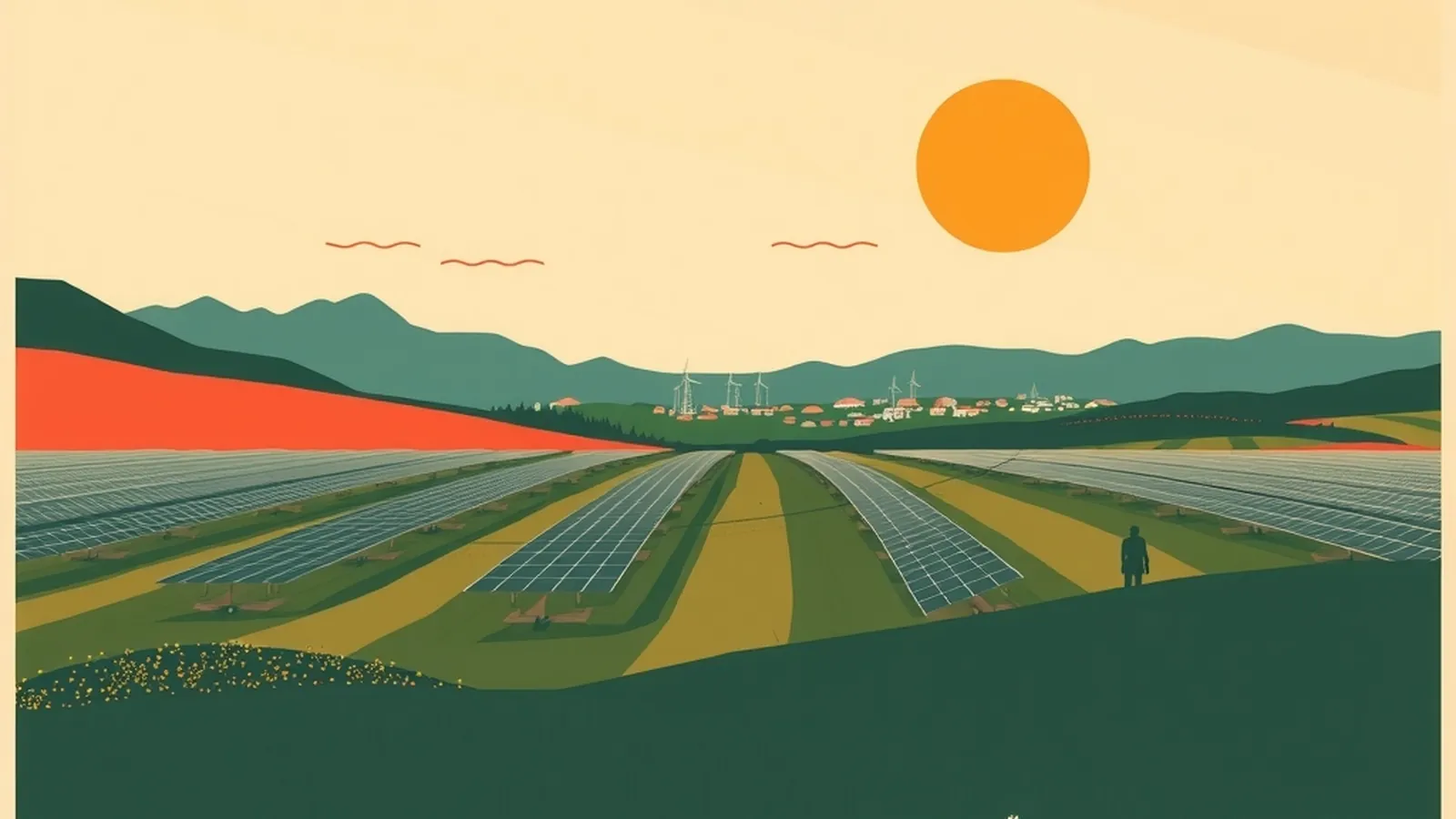
Community solar is a shared solar project, often a field of panels or a big rooftop, that people in the same utility area can subscribe to. The project sends its power to the grid, and subscribers get credits on their electric bills based on their share. You don't need your own roof, and nothing gets installed at your home.
It's a good fit for renters, condo owners and anyone with a shady or unsuitable roof. But it's only available in some states and utility areas, and programs work differently from place to place. This guide covers the general idea and what to check. For the bigger picture of solar choices, see our Solar & Backup Power section.
How a subscription generally works
The steps look something like this:
- A solar project is built in your utility's service area by a utility, a company or a local group.
- Households and businesses subscribe to a portion of it, usually through a simple online sign-up.
- The project produces power and sends it into the grid.
- Your utility applies credits to your electric bill based on what your share produced.
- You pay the project operator for your subscription, sometimes on a separate bill and sometimes on the same one.
You keep getting electricity from the grid like you always have. Community solar doesn't change your wiring or where your power physically comes from. It changes how solar production is counted and credited.
Two common models
| Model | How you pay | What to watch |
|---|---|---|
| Subscription | A monthly fee, often tied to the value of your credits | Whether credits are worth more than what you pay |
| Ownership share | An upfront purchase of panels or a share in the project | Long commitment, what happens if you move |
Many programs today use a subscription model, often advertised as a discount on the value of the credits. "Discount" can mean different things, so do the math with the program's own examples and your own bills.
Who can join
Eligibility depends on the program, but common rules include:
- You must be a customer of the utility where the project is located.
- Some programs reserve space for income-qualified households.
- Some have waiting lists when projects are full.
- Renters and homeowners can usually both join.
Some states have community solar programs designed for households that qualify based on income. If that might be you, also look at our free resources guide for other energy help, like the Weatherization Assistance Program.
Why availability varies so much
Community solar depends on state laws and utility rules that allow it. Some states have active programs with many projects; others have none yet. Even within a state, projects may only serve certain utilities. To find out what's available to you:
- Search your state energy office or public utility commission website for "community solar."
- Search your utility's website or call customer service.
- Ask local nonprofits or cooperatives that work on energy.
If you see an ad for community solar, confirm that the program is real and open in your utility area before signing anything.
What to check before you sign up
Read the contract carefully. Look for:
- Contract length, and whether it renews automatically.
- Cancellation terms, including any fees.
- Moving rules. Can you transfer the subscription to a new address, or cancel without penalty if you move out of the area?
- How your price is set, and whether it can change.
- How credits appear on your utility bill, and how often.
- Credit checks, if any.
- What happens if the project produces less than expected in a cloudy season.
If the salesperson can't answer these clearly, or uses pressure, the same warning signs from our solar installer red flags guide apply here.
What community solar can and can't do
It's worth being clear about this, because some ads overstate it:
- It can support solar development in your area, and it may lower your bill depending on the program.
- It can't power your home directly or during an outage.
- It can't promise a fixed savings amount, since credits depend on how much the project produces and how your utility values it.
If outage protection is what you're after, look at a portable power station for small loads, or talk to a licensed installer about home battery backup.
Where it fits in the bigger picture
Electricity is one of the larger parts of most households' footprint, along with heating, transportation, food and the stuff we buy. If you're trying to figure out where your efforts count most, our guide to carbon footprint basics explains the big categories in plain terms. Community solar is one tool for the electricity part, and it works alongside using less power at home.
Community solar vs other options for renters
Community solar is one of several renter-friendly paths. Our guide to solar for renters compares it with green power plans, portable panels and plug-in solar, so you can choose what fits your lease and budget.
A worked example (fictional)
Example: Casey owns a townhouse with a roof shaded by a neighbor's trees. A rooftop system doesn't make sense, so they look up community solar. Their state has a program, and two projects serve their utility. Casey compares the contracts: one has no cancellation fee and lets subscribers transfer within the utility area, the other has a long term and a fee. Casey picks the first, then sets a reminder to check their bill credits after the first few months.
Something to do today
Search "[your state] community solar" along with your utility's name. If you find a program, save its official page and write down three things: who runs it, how long the contract lasts and how cancellation works. If nothing turns up, that's useful to know too. Check again in a year, since programs are added over time.
Want a step-by-step plan or guide?
Some people like the structure of a paid guide or set of plans. This button opens a third-party program from one of our advertising partners. Its claims are its own, not ours, so weigh them against our checklist for judging paid plans.
See the partner program →We may be paid when you click. The program shown can change. Read its terms before you buy anything. How this works
Frequently asked questions
How does community solar work?
You subscribe to a share of a solar project in your utility area. The power that share produces goes to the grid, and you receive credits on your electric bill based on it. Details depend on your state and program.
Does community solar save money?
It can, but it depends on the program. Some offer credits worth more than the subscription costs, and others cost about the same or more. Compare what you'd pay and what you'd receive, and read the contract terms.
Will community solar power go out if the grid goes down?
Community solar doesn't send power straight to your home, so it won't keep your lights on in an outage. You still get your electricity from the grid as usual. For outages, look at backup options like portable power stations or home batteries.