Off-Grid Living for Beginners
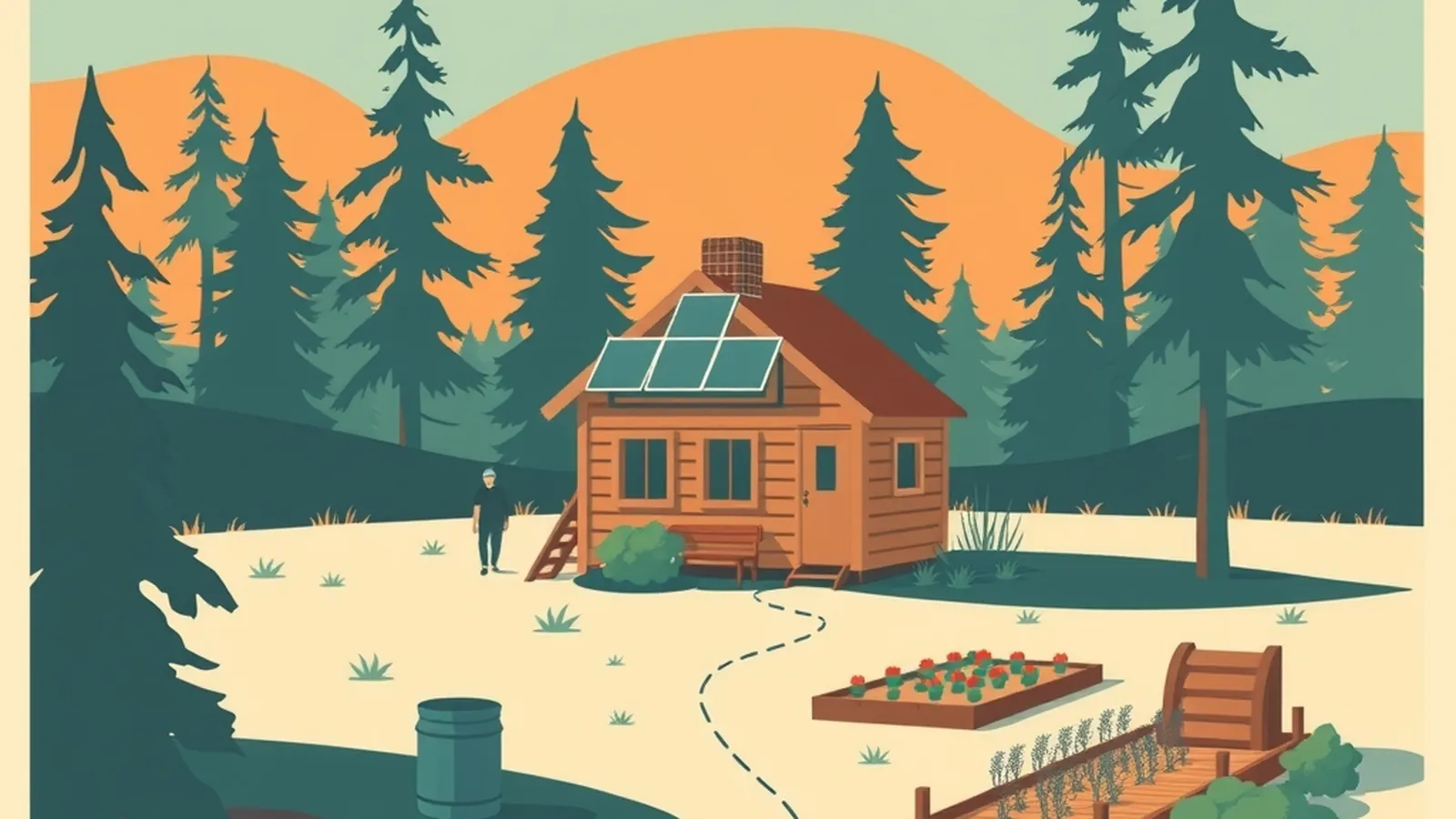
Living off grid means running your home without a connection to the public power grid, and often without city water or sewer too. You supply your own electricity, usually from solar panels with batteries and a backup generator, and handle water, heat and waste yourself. It's possible, but it's a big lifestyle change that takes planning, money, maintenance and permits.
A lot of online content makes off-grid life look simple or promises energy independence. We won't, because how it works out depends on your land, climate, budget and skills. This guide covers what's actually involved and how to start small. For the solar pieces, see the rest of our Solar & Backup Power section.
The five systems you'd be responsible for
| System | On the grid | Off the grid |
|---|---|---|
| Electricity | The utility supplies it | Your own panels, batteries and usually a backup generator |
| Water | City water or a well with grid power | A well, rainwater or hauled water, plus pumping and treatment |
| Heat and cooking | Gas line or electric | Wood, propane, efficient electric loads, or a mix |
| Waste | City sewer or septic | Septic, composting toilet where allowed, greywater systems where allowed |
| Access | Regular roads and services | Possibly remote, with longer trips for supplies and repairs |
Every system needs a backup plan. When something breaks off grid, you're the first one responsible for fixing it, or for getting a professional out to you.
Power: the system most people think of first
Off-grid power usually means a solar array, a battery bank to store energy for nights and cloudy stretches, an inverter, and often a generator for long gray spells. Our guide to how solar panels work explains panels and inverters, and home battery backup covers how batteries are set up.
The big shift is mindset. On the grid, you use what you want and pay later. Off grid, your system has a fixed amount of energy each day, and you plan around it. That means:
- Choosing efficient appliances and avoiding big electric heating loads where possible.
- Running heavy tasks in sunny hours, like laundry or pumping water.
- Watching your battery levels and cutting back when they're low.
- Planning for winter, when days are shorter and panels produce less.
Off-grid power systems involve high-voltage wiring and large batteries. Design and installation belong to licensed professionals, with permits and inspections.
Water: often harder than power
Water is a big part of off-grid planning. Options include drilling a well, collecting rainwater or hauling water in. Each comes with rules and responsibilities:
- Wells need permits in many areas, regular testing and a powered pump.
- Rainwater collection is allowed in many places but limited or regulated in some. Rainwater usually needs treatment before drinking.
- Greywater reuse from sinks and showers can water some plants, but rules vary widely.
Our guide to rain barrels and greywater explains the basics and why local rules matter. Starting with a rain barrel for garden watering is a low-risk way to learn.
Heat, cooking and waste
- Heating may come from wood stoves, propane or efficient electric heat sized to your power system. Fuel-burning appliances need proper venting, professional installation and working carbon monoxide alarms.
- Cooking often uses propane or wood, sometimes with small electric appliances on sunny days.
- Waste usually means a permitted septic system. Composting toilets are allowed in some areas and not others.
Rules, permits and land
This is the part that catches people off guard. Going off grid doesn't mean going outside the rules. Before buying land or starting a build:
- Check zoning. Can you live full time on that land? Are tiny homes or RVs allowed?
- Check building codes. Many areas require permitted, inspected structures.
- Check water rights and well rules.
- Check septic and health department rules.
- Check access. Is there a legal, year-round road? How far is emergency help?
- Ask about utility rules if a grid connection exists, especially if you plan to disconnect.
Your county building and health departments are the best first calls.
Start small: practice before you leap
You don't have to move to the woods to learn off-grid skills. Many people practice at home first:
- Run a power station on solar for a weekend and see what you actually use.
- Try a small solar project, like solar lights or a panel and battery for a shed. Our small solar projects guide has ideas that stay away from home wiring.
- Set up a rain barrel for garden watering.
- Track your electricity use for a month and look for big loads.
- Do a "lights out" evening to see what you'd miss in an outage.
These steps teach you a lot about your habits, and they're useful even if you never fully go off grid.
Watch out for off-grid sales pitches
Off-grid living attracts a lot of paid courses, kits and plans, some helpful and some not. Watch for promises of "free power forever," instant independence or systems you can wire yourself in an afternoon. Before buying, read our guide on whether paid green and off-grid guides are worth it, which covers free alternatives and questions to ask.
A worked example (fictional)
Example: Jesse dreams of an off-grid cabin someday. Instead of buying land right away, they spend a year practicing. They run a small power station on a folding panel during summer weekends and keep a notebook of what it powers. They add a rain barrel for their vegetable beds. They also call the county about zoning on a parcel they like, and learn that full-time living there would need a permitted septic system and an inspected structure. Jesse still wants the cabin. Now they have a realistic budget list and a clearer timeline.
Something to do this weekend
Pick one evening and run your home on as little electricity as you comfortably can, using only lights, the fridge and a few essentials. Write down what you missed most and what you didn't miss at all. That list shows you what an off-grid power system, or simply a backup system, would really need to cover.
Want a step-by-step plan or guide?
Some people like the structure of a paid guide or set of plans. This button opens a third-party program from one of our advertising partners. Its claims are its own, not ours, so weigh them against our checklist for judging paid plans.
See the partner program →We may be paid when you click. The program shown can change. Read its terms before you buy anything. How this works
Frequently asked questions
Is living off grid legal?
Living off grid itself is generally legal, but building codes, zoning, permits, water rights and septic rules still apply and vary by state and county. Check with your local building and health departments before buying land or building.
What do you need to live off grid?
At minimum, a reliable power source and storage, a safe water supply, a way to heat and cook, a plan for waste, and a way to get supplies and help. Each one needs planning, permits in many areas and ongoing upkeep.
Can I go off grid in a regular house?
It's possible in some cases, but most homes are designed around grid power, city water and sewer. Disconnecting usually involves major changes, permits and professional installers. Many people choose backup power and efficiency upgrades instead of fully leaving the grid.