Reusable Kitchen Products That Actually Get Used
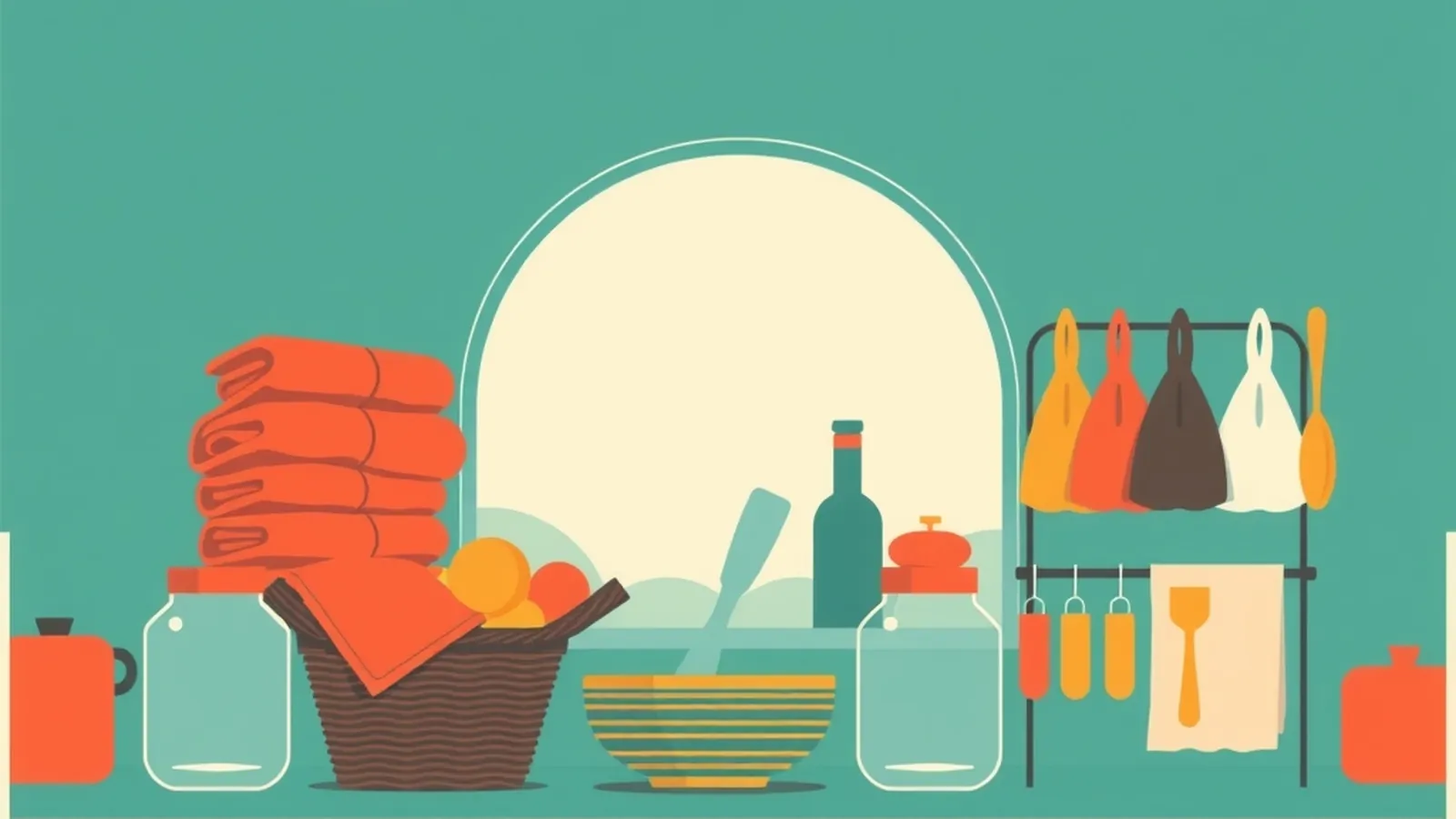
Reusable kitchen products like cloth towels, food wraps, glass or steel containers and silicone bags can cut down on paper towels, plastic wrap and single-use bags, but only if they fit into how you actually cook and clean. The best setup is usually small: a stack of cloths, a few containers that stack and a couple of wraps or bags for the jobs you do most. Start with what you already have, and add pieces as disposables run out.
These swaps are one of the most practical corners of our Green Products section, because the kitchen is where many single-use items get used every day.
Use what you already have first
Before buying anything, look around your kitchen.
- Old T-shirts and towels can be cut into cleaning rags.
- Glass jars from pasta sauce, pickles or jam make good storage for leftovers, dry goods and snacks.
- Takeout containers you already have can be washed and reused for a while.
- Plates and bowls can cover leftovers in the fridge in place of plastic wrap.
Our guide to plastic-free swaps has more ideas for using up what you own before replacing it.
The main reusable kitchen items compared
| Item | Replaces | Good for | Things to know |
|---|---|---|---|
| Cloth towels and napkins | Paper towels and napkins | Spills, drying hands, wiping counters, meals | Need a laundry routine and enough on hand |
| Wax-coated food wraps | Plastic wrap | Covering bowls, wrapping cheese, bread and produce | Not for raw meat or hot food; wax wears off over time |
| Glass containers | Plastic tubs and bags | Leftovers, meal prep, reheating | Heavier and can break; lids may be plastic |
| Stainless steel containers | Plastic tubs | Lunches, dry goods | Usually not microwave-safe |
| Silicone bags | Zip-top plastic bags | Freezing, snacks, marinating | Can hold odors; check heat instructions |
Cloth towels and napkins
Cloth is the easiest swap for most people. The key is having enough so you aren't tempted to reach for paper.
A simple system:
- Keep a small stack of cloths in a drawer or basket near the sink.
- Use one color for dishes and hands and another for messy cleaning.
- Keep a small bin or bag for used cloths, and add them to a regular laundry load.
- Wash in a full load and air dry when you can.
Cotton and linen both work well; our page on natural vs synthetic fabrics explains how they compare. Some households keep a small roll of paper towels for jobs like greasy pans or pet messes, and that's fine. Progress counts.
Food wraps
Wax-coated cloth wraps mold around bowls and food with the warmth of your hands. They're handy for cheese, half a lemon, bread or covering a bowl of leftovers.
Care tips:
- Wash in cool water with mild soap and air dry.
- Keep them away from heat, including hot food and the dishwasher.
- Skip raw meat and fish.
- When the coating wears thin, some wraps can be refreshed; others can be cut up and used as fire starters or added to a home compost pile if the maker says that's okay.
If a wrap or other kitchen product claims to be compostable, check what kind of composting it means. Our guide to biodegradable vs compostable explains the difference.
Containers: glass, steel and plastic
Glass containers are great for leftovers you plan to reheat, since many are oven- and microwave-safe (check the label, and lids often aren't). Stainless steel is lighter and tough for lunches and dry goods. If you already own plastic containers, keep using them as long as they're in good shape, and follow the maker's guidance on heating. Many people choose to avoid microwaving food in plastic and reheat in a glass or ceramic dish instead.
A good rule of thumb: buy containers in one or two shapes that stack, so lids don't go missing and the cupboard stays manageable.
Silicone bags
Silicone bags can stand in for zip-top bags in the freezer and for snacks. They're thicker and take longer to dry. A few tips:
- Turn them inside out and wash with warm, soapy water, or use the dishwasher if the maker allows it.
- Dry them propped open over a utensil or a drying rack.
- If they hold a smell, a baking soda soak can help.
- Check the label before heating, boiling or microwaving.
Silicone isn't widely recyclable in curbside programs, so the main benefit comes from using each bag many times.
Keep them clean and handy
Reusables only work if they're clean and within reach when you need them.
- Store them where you use them. Wraps near the fridge, cloths by the sink, containers near the stove.
- Wash right after use so smells and stains don't set.
- Give them a weekly check. Toss or repurpose anything cracked, warped or worn out.
Our green kitchen cleaning guide has tips for keeping sponges and cloths fresh.
Worked example: cutting back on plastic wrap
Example: Morgan, in their mid-twenties, notices they go through a roll of plastic wrap quickly, mostly covering leftovers. They try a two-week experiment:
- Week one, they cover bowls with plates and store leftovers in glass jars they already own.
- They note the jobs that still need wrap: half an onion and blocks of cheese.
- Week two, they buy two small food wraps for just those jobs.
By the end, Morgan uses plastic wrap only for raw meat. They didn't buy a full set of reusables, only what filled the gaps.
How reusables help with food waste
Good storage helps food last longer, which means less ends up in the trash. Clear containers make leftovers easy to spot, and wraps keep cheese and bread from drying out. Our guide to reducing food waste covers storage tips and meal planning. When you're ready to go beyond the drawer, our furniture that lasts guide applies the same "keep it in use" idea to tables, shelves and chairs.
Something to do this weekend
Count how many paper towels, plastic bags or sheets of plastic wrap you use in one day. Pick the one you use most and set up a single reusable swap for it, using things you already have if you can. Keep it within arm's reach for a week and see if it sticks.
Want a step-by-step plan or guide?
Some people like the structure of a paid guide or set of plans. This button opens a third-party program from one of our advertising partners. Its claims are its own, not ours, so weigh them against our checklist for judging paid plans.
See the partner program →We may be paid when you click. The program shown can change. Read its terms before you buy anything. How this works
Frequently asked questions
Are reusable kitchen products really better than disposables?
They can be, as long as you actually use them many times. A reusable item takes more material to make than a single disposable one, so the benefit builds up with each use. Buying reusables you don't use doesn't help.
How do I clean beeswax or plant-wax food wraps?
Wash them in cool water with a little mild dish soap, rinse and air dry. Hot water can melt the wax. Follow the maker's care instructions, and avoid using them with raw meat.
Are silicone bags safe in the dishwasher and freezer?
Many are labeled for dishwasher, freezer and sometimes microwave use, but it varies by product. Check the maker's instructions before you heat or freeze food in them.