How to Reduce Food Waste at Home
To reduce food waste at home, shop with a plan, store food so it stays fresh longer, eat the oldest food first and turn leftovers into new meals. It also helps to understand date labels: according to the USDA, a "Best if Used By" date is about quality, not safety. That said, food safety always comes first. If something smells off, looks wrong or you aren't sure, throw it out.
Food is one of the easiest places to see waste add up, and cutting it can also help your grocery budget, depending on how your household shops and cooks. This guide is part of our Low Waste Living section and pairs well with meal planning for less waste, which turns these ideas into a weekly routine.
What date labels really mean
Date labels cause a lot of confusion, and confusion leads to tossing food that may be fine or keeping food that isn't. Here's what the USDA says:
- Product dating isn't required by federal law, with one exception: infant formula.
- A "Best if Used By" date describes quality, not safety. It's the maker's estimate of when the food will taste or perform its best.
- Dates are generally set by manufacturers, and some states have their own labeling rules.
Common phrases you'll see
| Label | What it generally tells you |
|---|---|
| Best if Used By | When quality is likely to be best |
| Sell By | A date for the store to manage stock |
| Use By | The last date the maker recommends for peak quality |
| Freeze By | When to freeze it to keep quality |
What this does and doesn't mean
A quality date passing doesn't make food unsafe on its own, but it doesn't make food safe either. Food can spoil before its date if it was stored badly, and some foods carry more risk than others. Keep these rules in mind:
- When in doubt, throw it out. No savings are worth getting sick.
- Follow storage instructions on the package, like "keep refrigerated" or "refrigerate after opening."
- Never use smell or taste alone to judge safety. Some harmful bacteria don't change how food looks or smells.
- Infant formula dates matter. Follow them.
- Take extra care if anyone in your home is pregnant, older, very young or has a weakened immune system. Ask a doctor about which foods to avoid.
Store food so it lasts
A lot of food waste happens because something got pushed to the back and forgotten.
Fridge
- Keep your fridge at a safe cold temperature, and use a fridge thermometer to check it.
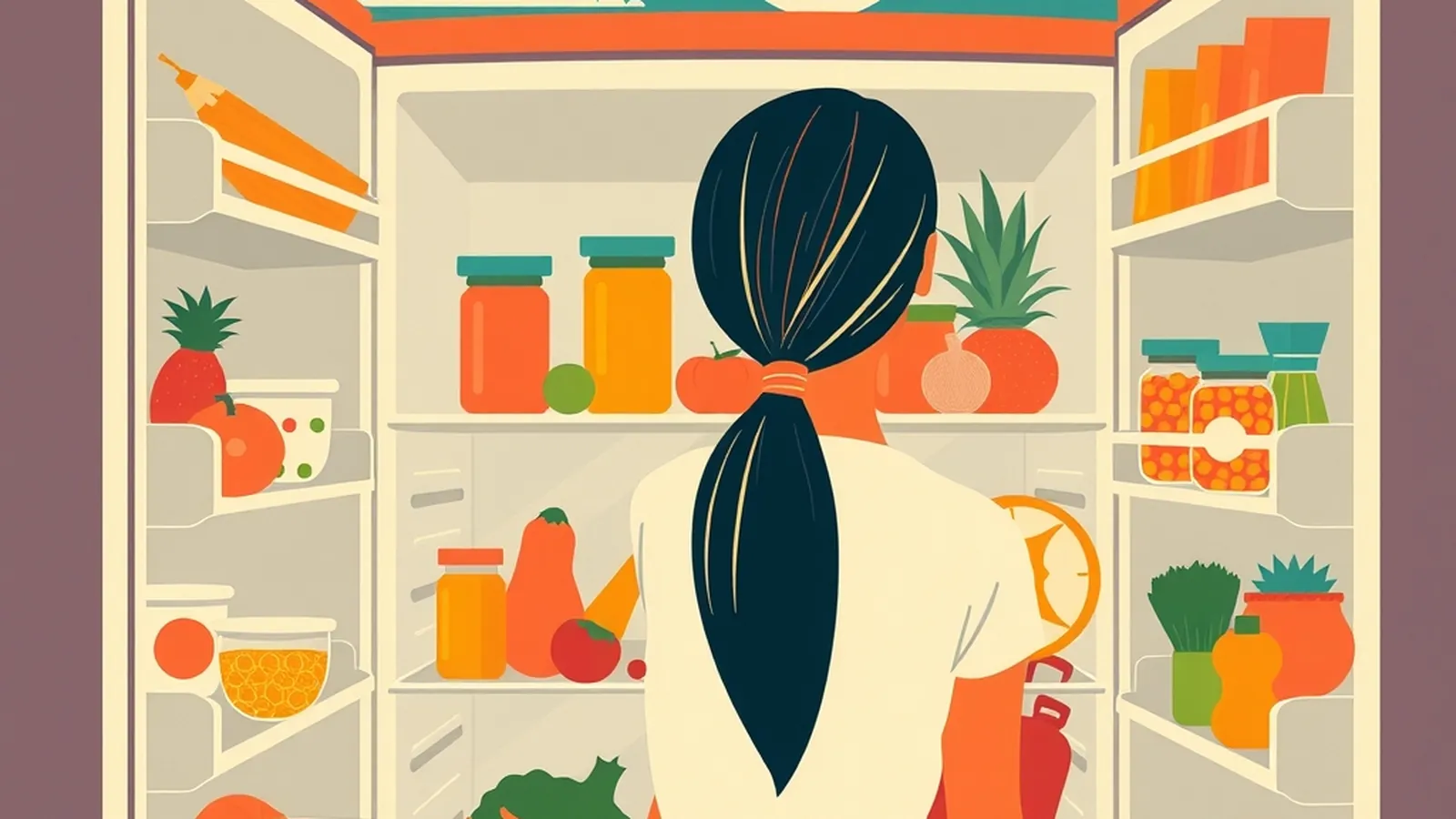
- Create an "eat this first" bin or shelf at eye level for opened items, leftovers and produce that's about to turn.
- Store leftovers in clear containers so you can see them.
- Keep raw meat on the bottom shelf in a container to stop drips onto other food.
- Wrap or bag herbs and greens loosely with a slightly damp cloth to slow wilting.
Pantry
- Move older items to the front when you unpack groceries.
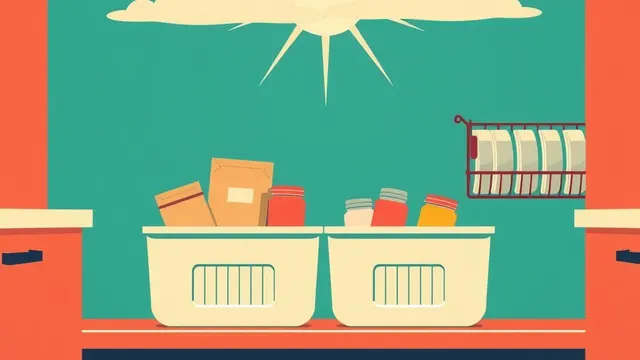
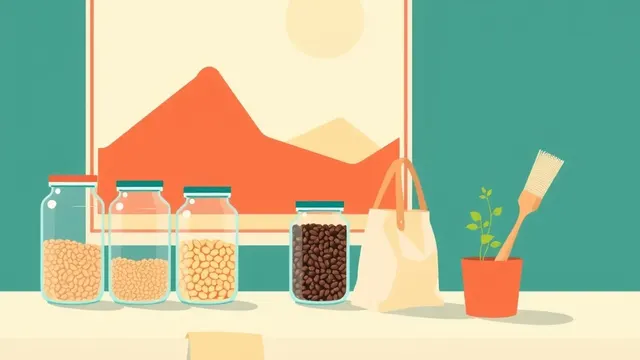
- Keep dry goods sealed so they stay fresh and pests stay out.
- Store potatoes and onions in a cool, dark, dry spot.
Freezer
Your freezer is a big help for reducing waste. Freeze bread, cooked grains, ripe bananas, sauces and leftovers before they go bad. Label containers with the contents and the date with a marker on tape. Follow safe thawing guidance: thaw in the fridge, in cold water or in the microwave, not on the counter.
Plan before you shop
- Check the fridge, freezer and pantry first.
- Plan a few meals around what you already have.
- Write a list and stick to it, with a little room for a sale or something fresh.
- Think about your real week. If you know you'll eat out twice, plan fewer dinners.
Our meal planning guide has a weekly template and ideas for planning around scraps.
Use up leftovers and odds and ends
Some go-to "use it up" meals:
- Fried rice or grain bowls with leftover rice, vegetables and an egg.
- Soup from vegetable odds and ends and a can of beans.
- Frittata or scrambled eggs with wilting greens and bits of cheese.
- Smoothies with very ripe fruit, frozen ahead.
- Breadcrumbs or croutons from stale bread.
As a general rule, refrigerate leftovers promptly and eat them within a few days. If you're unsure how long a leftover has been sitting, toss it.
An example week
Here's an example. Alex, who lives alone, noticed they threw out half a bag of spinach and some bread most weeks. They started freezing half the bread loaf the day they bought it and adding a handful of spinach to their morning eggs. A week later, both were gone before they went bad.
What to do with the food you can't use
Even careful households have scraps and spoiled food.
- Compost fruit and vegetable scraps, coffee grounds and similar items, if you have a bin or a local pickup program. Our guide to composting food scraps covers your options.
- Share unopened food you won't use with friends, neighbors or a buy-nothing group, or ask a local food bank what they accept.
- Recycle the packaging only if your local program takes it, and empty and rinse it first. See how to recycle properly, since food left in containers can cause problems at the sorting center.
Grow a little of your own
Growing even a pot of herbs can cut waste from those bunches you buy for one recipe. You snip what you need and leave the rest growing. Our grow your own food guide covers easy crops and containers for beginners.
Bring containers along
A container in your bag makes it easy to take home restaurant leftovers, and cloth produce bags help some fruits and vegetables last longer. Our guide to reusable bottles and bags has tips for keeping them handy.
Something to do this weekend
Clear one shelf in your fridge at eye level and label it "eat first" with a strip of tape. Move anything opened, leftover or close to turning onto it. Plan two meals next week that use what's there.
Want a step-by-step plan or guide?
Some people like the structure of a paid guide or set of plans. This button opens a third-party program from one of our advertising partners. Its claims are its own, not ours, so weigh them against our checklist for judging paid plans.
See the partner program →We may be paid when you click. The program shown can change. Read its terms before you buy anything. How this works
Frequently asked questions
Is food safe to eat after the Best if Used By date?
The USDA says a "Best if Used By" date describes quality, not safety. That doesn't make every food safe after the date, though. Check for signs of spoilage, follow storage guidance and, when in doubt, throw it out.
Are expiration dates required by law?
According to the USDA, federal law doesn't require product dating except on infant formula. Some states have their own rules, and the dates you see are usually set by the maker.
What is the easiest way to waste less food?
Check your fridge before you shop, buy only what you have a plan for, and set up an "eat this first" spot in the fridge for food that needs to be used soon.