Zero Waste for Beginners
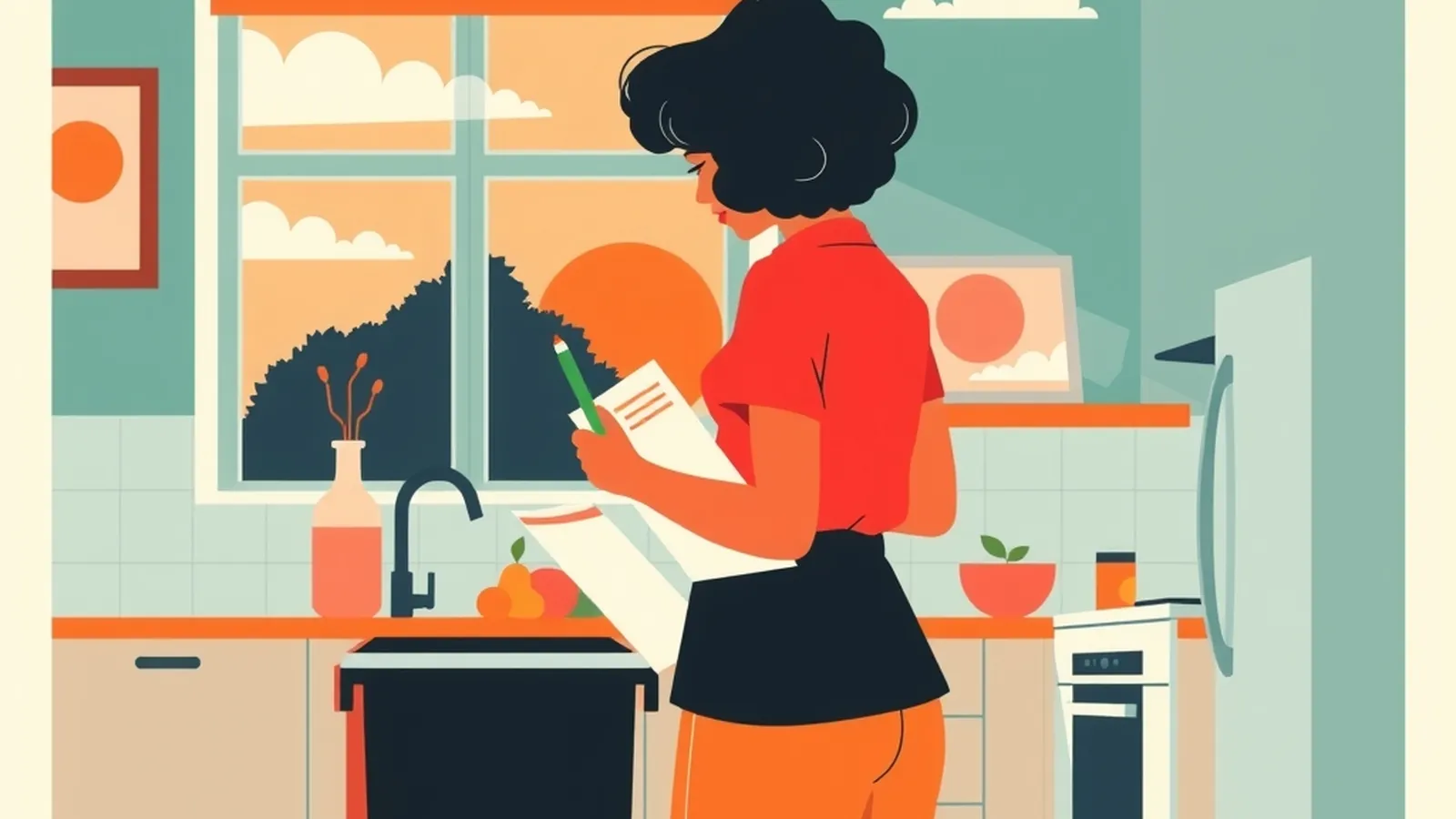
The easiest way to start zero waste is to look at what you throw away for one week, pick the one item that shows up most and find a single swap for it. Once that swap feels normal, add another. That's the whole method: notice, change one thing, repeat.
"Zero waste" sounds like an all-or-nothing goal, but most people who stick with it treat it as a direction. You'll still make trash. The point is to make a bit less each month without turning your life upside down. This guide is the starting line for our Low Waste Living section, which goes deeper on recycling, food waste, repair and more.
Why start with a trash audit
It's tempting to start by buying a set of bamboo utensils and a stack of glass jars. But if your biggest source of waste is takeout containers or spoiled produce, those purchases won't touch it. An audit points your energy at your actual habits.
How to do a one-week audit
- Pick a normal week. Skip holidays, moving week or a big party.
- Keep a note handy. A sheet of paper on the fridge works fine.
- Jot down what goes in the bins. You don't need to weigh anything. Tally marks are enough: "coffee cup, yogurt cup, paper towel, chip bag, wilted spinach."
- Include recycling. Recycling is better than trash, but it still counts as stuff you bought and used once.
- Look for clusters at the end. Most households find that a handful of categories make up most of the list.
What an audit might show
Here's an example. Sam, a renter in their early thirties, tracked one week and found:
| Category | Tally | Possible first swap |
|---|---|---|
| Takeout containers | Lots | Cook one more dinner at home, or bring a container for leftovers |
| Paper towels | Lots | Keep a stack of rags or cloth towels by the sink |
| Coffee cups | Some | Bring a travel mug on workdays |
| Spoiled produce | Some | Shop with a list and check the fridge first |
| Snack wrappers | A few | Buy one snack in a larger size and portion it out |
Sam picked paper towels first because it only meant cutting up an old T-shirt. Your list will look different, and that's the point.
Pick one swap, then stop
Choose a single change that meets three tests:
- It targets something on your audit. Not something trendy.
- It uses what you have. An old jar, a tote bag from the closet, a mug you already like.
- You can do it on a tired Tuesday. If a swap only works when you have extra time, it won't last.
Give it two or three weeks before adding anything else. Habits stick better when you aren't juggling five at once. If you want a menu of ideas by room, our plastic-free swaps guide covers the kitchen, bathroom and on-the-go items, and the wider sustainable swaps guide has a room-by-room table for the rest of your home.
The beginner's priority list
When you're deciding what to do with something, run down this list in order:
- Refuse what you don't need: free pens, extra napkins, plastic cutlery in a delivery order.
- Reduce how much you buy: a smaller order, one fewer impulse buy.
- Reuse what you have: refill, repurpose, lend.
- Repair before replacing.
- Recycle what your local program actually accepts.
- Compost food scraps and yard waste if you can.
The top of the list saves the most waste because it stops things from entering your home at all. Recycling is still worth doing, but it's the backup plan.
Common beginner traps
- The starter-kit spree. Buying a pile of new "zero waste" gear is still buying a pile of stuff. Use what you own first.
- Tossing usable plastic. Your old plastic containers are already made. Keep using them until they crack or warp, then recycle them if your program accepts them.
- Comparing yourself to others. Your home, budget, schedule and local services are different. A rural renter without curbside compost has different options from someone in a big city.
- Wishcycling. Tossing things in the recycling bin "just in case" can contaminate a load. Our recycling rules guide explains how to check what belongs.
- Trusting vague labels. Words like "eco" or "green" on packaging often aren't backed by specifics. Look for a clear, specific claim instead.
Where to go after your first swap
Once your first swap is automatic, pick your next target from the audit. These three guides tend to be the natural next steps:
- Plastic-free swaps is a good next read if your audit was full of wrappers, bags and bottles.
- Reusable bottles and bags helps you pick and actually remember the items you carry, which is where most people slip.
- Composting food scraps makes sense if food was a big category, since it keeps scraps out of the trash and turns them into something useful.
Make it a household thing, gently
If you live with others, invite them in without lecturing. Ask what bugs them about the trash, such as how fast the bin fills up or the smell of old food, and start there. Keep the swap visible and easy: put the cloth towels where the paper towels used to be, or hang the tote bags on the front doorknob. People adopt what's convenient. Celebrate small wins out loud, like the first week the trash went out half full, and skip keeping score of who forgot what.
If you're tempted by a paid challenge
Some programs sell 30-day zero waste challenges or courses. Some are helpful, but you can start today with nothing more than this page and a notepad. If you're weighing one, our guide to whether green guides are worth it has questions to ask before you pay.
Something to do this week
Tape a piece of paper to your fridge tonight and title it "What we tossed." Tally everything that goes in the trash and recycling for seven days. Next weekend, circle the top item and choose one swap for it. That's your start.
Want a step-by-step plan or guide?
Some people like the structure of a paid guide or set of plans. This button opens a third-party program from one of our advertising partners. Its claims are its own, not ours, so weigh them against our checklist for judging paid plans.
See the partner program →We may be paid when you click. The program shown can change. Read its terms before you buy anything. How this works
Frequently asked questions
What is the first step to going zero waste?
Look at what you already throw away. A one-week trash audit shows you which items show up most, so your first swap targets something real instead of something you saw online.
Do I have to throw out my plastic containers to go zero waste?
No. Using what you already own until it wears out is one of the lowest-waste choices you can make. Replace things with longer-lasting versions only when they break or run out.
Is zero waste expensive?
It doesn't have to be. Many of the biggest steps, such as buying less, using leftovers and carrying a bottle you already own, cost nothing. Expensive starter kits are optional at best.