Reduce, Reuse, Recycle: Why the Order Matters
Reduce, reuse, recycle is a ranking, not just a slogan. Reducing comes first because something you never buy doesn't need to be made, shipped or thrown away. Reusing comes second because it gets more life out of things that already exist. Recycling is the last step, for items that truly can't be used anymore, and it works best when you follow your local program's rules.
Most people know the phrase, but the order is easy to forget. This guide explains why each step sits where it does, with everyday examples you can start this week. It's one of the practical habit guides in our Green Living Basics section.
Why the order matters
Every product has a life story: materials are pulled from the earth, processed, made into something, packaged, shipped, used and then thrown out or recycled. Each stage uses energy and resources.
- Reducing skips the whole story.
- Reusing stretches the "use" chapter longer, so fewer new items are needed.
- Recycling recovers some materials at the end, but collecting, sorting and processing still take energy, and not everything put in the bin gets recycled.
That's why recycling, while useful, is the last resort rather than the main event.
Reduce: use less in the first place
Reducing is about needing and buying less. It's also the step that's easiest on your budget, which is why it shows up again in our guide to green living on a budget.
Everyday examples:
| Situation | A way to reduce |
|---|---|
| Grocery shopping | Plan meals and buy only what you'll use |
| Takeout | Decline plastic utensils, napkins and sauce packets you won't use |
| Junk mail | Opt out of catalogs and switch bills to paperless |
| New clothes | Wait a week before buying, and shop your closet first |
| Cleaning | Use a few multi-purpose products instead of many specialty ones |
| Gifts | Give experiences, homemade food or your time |
| Printing | Print only what you need, double-sided |
Reducing doesn't mean going without things you need. It means asking "do I need this?" a little more often.
Reuse: get more life out of things
Reusing covers anything that keeps an item in use longer, whether by you or someone else.
Ways to reuse:
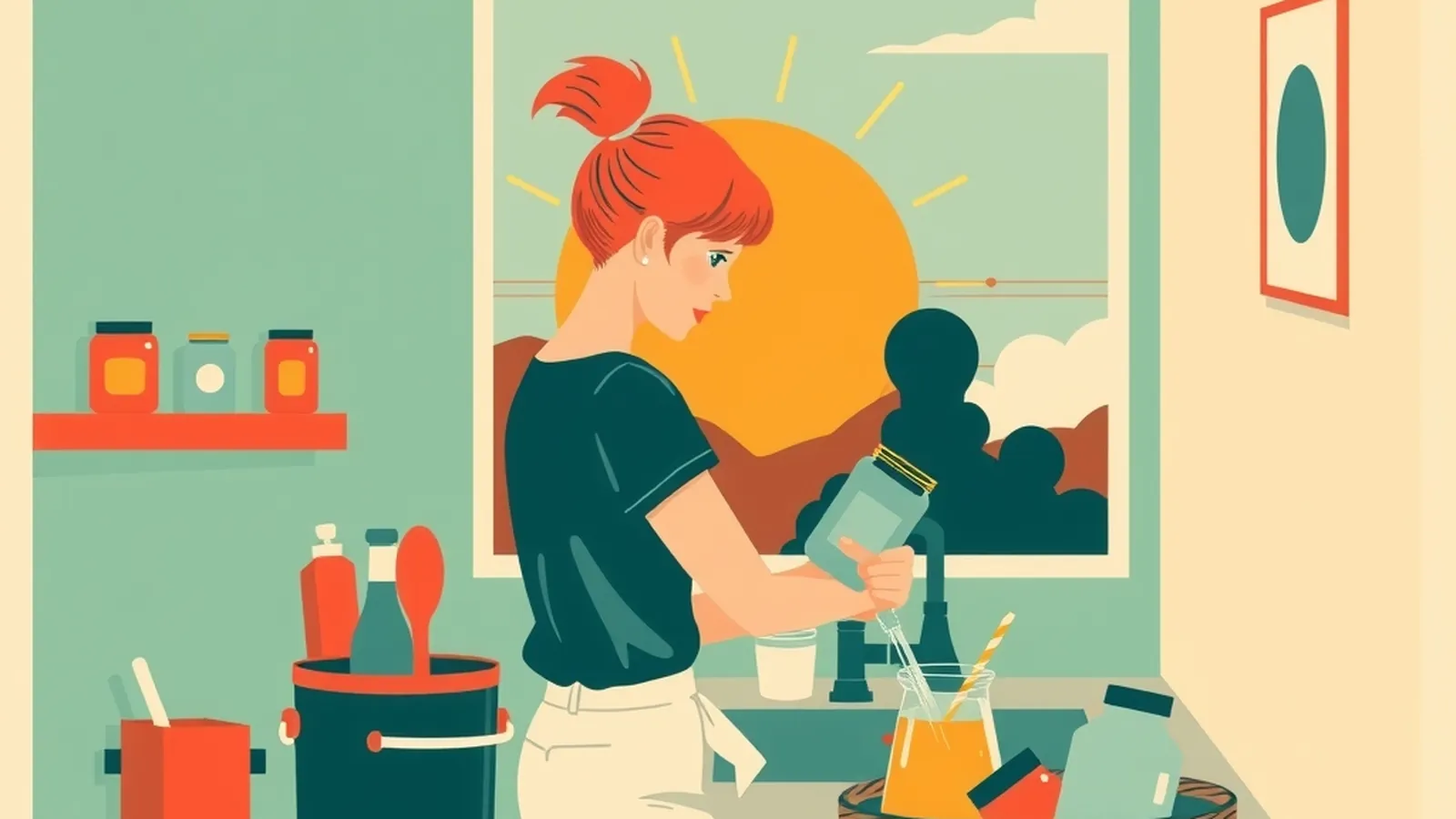
- Repurpose containers. Glass jars hold leftovers, dry goods, screws or pens.
- Repair before replacing. Sew a button, glue a chair leg, replace a vacuum belt.
- Pass it on. Donate, sell or give away things you don't use but that still work.
- Buy used. Thrift stores and buy-nothing groups give items a second home.
- Choose refills. Refill soap, cleaners or pantry staples where refill shops exist.
- Use cloth. Rags from old clothes replace paper towels for many jobs.
If you rent or live in a small space, reuse is especially handy because it doesn't require changes to the building. Our guide to green living for renters has more portable ideas.
Recycle: do it right
Recycling is worth doing well. The key is that rules differ from place to place. What one city accepts, another may not.
Check your local rules
Look up your city or county's recycling program online, or call. Find out:
- Which materials are accepted (paper, cardboard, metal cans, glass, certain plastics)
- Whether items need to be rinsed, flattened or sorted
- Whether caps should stay on or come off
- Where to take items that don't go in the curbside bin
Clean, empty and dry
Food and liquid left in containers can spoil other recyclables like paper and cardboard. A quick rinse and shake is usually enough. Follow your program's guidance.
Avoid wishcycling
When in doubt, check before tossing something in the bin. Common items that often don't belong in curbside recycling include plastic bags and film, greasy pizza boxes, tangled items like cords and hoses, and small loose pieces. Some can go to store drop-offs or special collection sites instead. Our guide to recycling rules covers this in more detail.
Know what the numbers mean
The number inside the chasing-arrows symbol on plastic identifies the type of resin, not whether your local program accepts it. Our plastic numbers guide explains what each one means.
Special items need special handling
Some things should never go in household trash or curbside bins. Lithium-ion batteries, for example, can cause fires and belong at a battery collection site or household hazardous waste program. See our battery disposal guide for details.
Example: one week through all three steps
This is a fictional example.
Riley decides to pay attention to their trash for one week.
- Reduce: They notice a lot of takeout packaging, so they cook two extra dinners at home and ask the restaurant to skip utensils on the others.
- Reuse: They wash out two pasta sauce jars and use them for leftover soup.
- Recycle: They look up their city's rules and learn that their recycling program doesn't take plastic bags curbside, so they start collecting them for a store drop-off.
By the end of the week, Riley's trash bag is lighter and their recycling is cleaner.
Quick decision guide for any item
Before something leaves your home, run through these questions in order:
- Can I still use it? If yes, keep it in service.
- Can it be repaired? A quick fix often beats a replacement.
- Can someone else use it? Donate, sell or offer it in a local group.
- Does my local program accept it? If yes, clean it and recycle it.
- Does it need special handling? Batteries, electronics and chemicals go to designated drop-off sites.
Only if every answer is no does it go in the trash.
Beyond the three Rs
Some people add more steps, such as "refuse" (say no to freebies you don't need), "repair" and "rot" (compost food scraps). They all fit the same idea: keep things in use as long as possible and send as little as possible to the landfill. Use whichever version helps you remember.
Turning it into a habit
The three Rs work best as everyday habits, not one-time projects. Our guide to eco-friendly habits shows how to attach new routines to things you already do, like checking the fridge before shopping or setting aside reusable bags by the door.
If you've been tempted by paid zero-waste courses or programs, our guide to whether green guides are worth it helps you decide whether a paid plan adds anything beyond the free advice available.
Something to do this weekend
Look up your local recycling program's website and find its list of accepted items. Print it or save a photo of it, and stick it near your bins. Then pick one item you throw away often and think of one way to reduce or reuse it instead.
Want a step-by-step plan or guide?
Some people like the structure of a paid guide or set of plans. This button opens a third-party program from one of our advertising partners. Its claims are its own, not ours, so weigh them against our checklist for judging paid plans.
See the partner program →We may be paid when you click. The program shown can change. Read its terms before you buy anything. How this works
Frequently asked questions
Why is reduce first in reduce, reuse, recycle?
Reducing means the item never has to be made, shipped or thrown away, so it avoids all of those impacts. Reusing comes next because it gets more use from something that already exists, and recycling is the last step for things that can't be used anymore.
Is recycling still worth doing?
Yes, when it's done right. Recycling the items your local program accepts, clean and dry, helps keep materials in use. It works best as a last step after reducing and reusing.
What is wishcycling?
Wishcycling is putting something in the recycling bin hoping it can be recycled, even when you're not sure. It can contaminate other recyclables and cause problems at sorting facilities, so check your local rules instead.