Water-Saving Habits That Stick
Water-saving habits stick when you start with one small change, tie it to something you already do, make it easy for everyone at home and track progress loosely instead of strictly. Good first habits include turning off the tap while brushing, running only full loads and watering plants in the early morning. You don't need to change everything at once; a few habits that last beat a long list you drop in a month.
Habits are the glue for everything else in our Saving Water section. A new showerhead or a fixed leak helps, but the daily routines are what you repeat for years.
Why habits matter more than willpower
Most water use happens on autopilot: showers, flushes, dishes, laundry, watering. You don't decide to use water each time; you just do the routine. That's good news, because if you adjust the routine once, the new version also runs on autopilot.
The trick is to make the new routine as easy as the old one.
Step 1: Pick one habit
Choose something specific and small. "Use less water" is too vague. "Turn off the tap while brushing" is clear.
Good starter habits:
- Turn the tap off while brushing, shaving or lathering your hands.
- End showers after a set number of songs.
- Run the dishwasher and washer only when full.
- Keep a pitcher of drinking water in the fridge.
- Water outdoor plants early in the morning.
- Sweep the patio instead of hosing it.
If you want a fuller list to choose from, our room-by-room checklist covers every part of the home.
Step 2: Stack it onto an existing routine
Habit stacking means attaching a new habit to one you already have. The old habit becomes the cue.
| Existing routine | New habit stacked on it |
|---|---|
| Picking up the toothbrush | Turn the tap off after wetting it |
| Starting your shower playlist | Shower ends when the second song ends |
| Loading the last dirty plate | Check whether the dishwasher is full before running it |
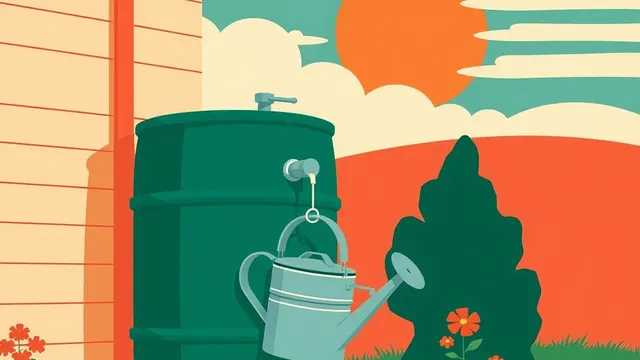
| Making morning coffee | Water the porch plants with the rain barrel can |
| Sunday trash night | Read the water meter and jot the number down |
Our eco-friendly habits guide uses the same approach for energy, waste and food, if you want to build several green routines together.
Step 3: Get the household on board
One person can't do it all, and nobody likes being policed. A few approaches that tend to work better than reminders:
- Decide together. Ask everyone which change feels easiest. People keep habits they chose.
- Give a short reason. "Our water bill went up and we want to see if habits help" is more motivating than a lecture.
- Make the easy choice the default. Put a shower playlist on the bathroom speaker, a bucket in the shower and a pitcher in the fridge.
- Assign friendly roles. One person reads the meter, another checks for drips, another empties the shower bucket on plants.
- Notice the wins. "We used less this month" goes further than "you left the tap running."
Housemates and roommates can use the same approach. A short chat about a shared goal tends to work better than a chore chart.
Step 4: Track it, loosely
Tracking helps you see that the effort is doing something, but it shouldn't become stressful.
- Pick a regular time, like Sunday evening.
- Read the meter or check your utility's online usage chart, if it has one.
- Write the number down in a notebook or on the fridge.
- Look at trends over a few weeks, not single days. Weather, guests and laundry days all cause swings.
If your use jumps and nothing changed, a leak may be the cause. Our leak guide shows you how to check.
Seasonal habits
Water habits shift with the seasons:
- Summer: water early, mulch beds, adjust sprinklers and follow local watering rules.
- Fall: disconnect hoses, drain and store a rain barrel before freezing weather if needed, and look at what plants needed the most water.
- Winter: insulate exposed pipes where they might freeze and know where your main shutoff is.
- Spring: check outdoor taps for drips, clean gutters and set up your rain barrel again.
If you collect rain, using it up between storms becomes a habit of its own. Our rain barrels and greywater guide explains how to set one up and where local rules come in.
Make a habit of being ready
One habit that's easy to forget is keeping water stored for emergencies and rotating it. Pick a twice-a-year date, like when clocks change or at the start of a new season, and check your supply. Our emergency water storage guide covers how much to keep and how to store it.
When a paid plan is offered
You don't need a paid course or app to build water habits. Your utility, your local Extension office and free government resources often have tips and tools. If you're considering a paid program anyway, our guide on whether green guides are worth it has questions to ask first.
Worked example
Example: Taylor shares a house with two roommates. At a Sunday dinner, they agreed on two habits: showers end after two songs, and the dishwasher only runs when the last person to load it finds it full. Taylor reads the meter every Sunday night and writes the number on a whiteboard on the fridge. After a few weeks, the numbers dipped. Nobody felt nagged, and the whiteboard became a small point of house pride.
Progress over perfection
Some weeks you'll forget. Guests will visit, laundry will pile up and someone will take a long shower after a hard day. That's fine. Habits come back when the routine comes back. Every small switch still counts.
Habits for different households
- Living alone: you set the rules, so pick the habit that's easiest for you and stick with it a month before adding another.
- Couples: choose one habit each and swap reminders in a friendly way.
- Roommates: focus on shared spaces like the dishwasher and laundry, where agreements help everyone.
- Families: give each person a small, specific role, and let older members help choose the next habit.
Something to do today
Choose one habit from the list above and one routine to stack it on. Tell one other person in your home what you're trying. That small announcement makes it more likely you'll remember tomorrow.
Want a step-by-step plan or guide?
Some people like the structure of a paid guide or set of plans. This button opens a third-party program from one of our advertising partners. Its claims are its own, not ours, so weigh them against our checklist for judging paid plans.
See the partner program →We may be paid when you click. The program shown can change. Read its terms before you buy anything. How this works
Frequently asked questions
What is the easiest water-saving habit to start?
Turning off the tap while brushing your teeth is a common first habit because it's quick, everyone does it twice a day and it's easy to remember once you pair it with the brush itself.
How do I get my household to save water without nagging?
Agree on one change together, explain the reason briefly and make it easy, for example with a playlist for shorter showers. Celebrate progress instead of pointing out slip-ups.
How can I track my water use?
Read your water meter at the same time each week, or check your bill each month. Some utilities also offer online usage charts. Look for trends, not perfection.