Eco-Friendly Habits That Actually Stick
The eco-friendly habits that stick are small, specific and tied to something you already do every day, like turning off the power strip right after the TV or filling your water bottle while the coffee brews. Start with one or two daily habits and one weekly habit, track them loosely for a few weeks, and add more once they feel automatic.
Good intentions fade fast when a habit depends on willpower. This guide gives you a list of daily and weekly habits to choose from, shows how habit stacking works, and offers low-effort ways to track your progress. It's part of the "make it stick" side of our Green Living Basics section.
Daily habits to choose from
Pick one or two to start. Each takes a few seconds once it's routine.
| Habit | When to do it | What it helps with |
|---|---|---|
| Turn off lights when leaving a room | Every time you walk out | Electricity use |
| Switch off a power strip for the TV or desk | At bedtime | Standby power |
| Turn off the tap while brushing or scrubbing | Morning and night | Water use |
| Carry a reusable bottle and bag | When you leave the house | Single-use items |
| Scrape plates into a compost bin, if you have one | After meals | Food waste |
| Close blinds on hot afternoons, open them on sunny winter days | Midday | Heating and cooling |
| Rinse recyclables before tossing | After emptying a container | Cleaner recycling |
For more ways to use less water around the house, our save water at home guide has a room-by-room checklist and a simple meter check.
Weekly habits to choose from
Weekly habits take a little more time, so pick one to start:
- Plan meals for the week and shop with a list.
- Do a fridge check before shopping and move older food to the front.
- Run full loads of laundry, and wash in cold water when the label allows.
- Combine errands into one trip.
- Take a car-free trip, whether by walking, biking, transit or carpool.
- Sort the mail and unsubscribe from one catalog or junk mail list.
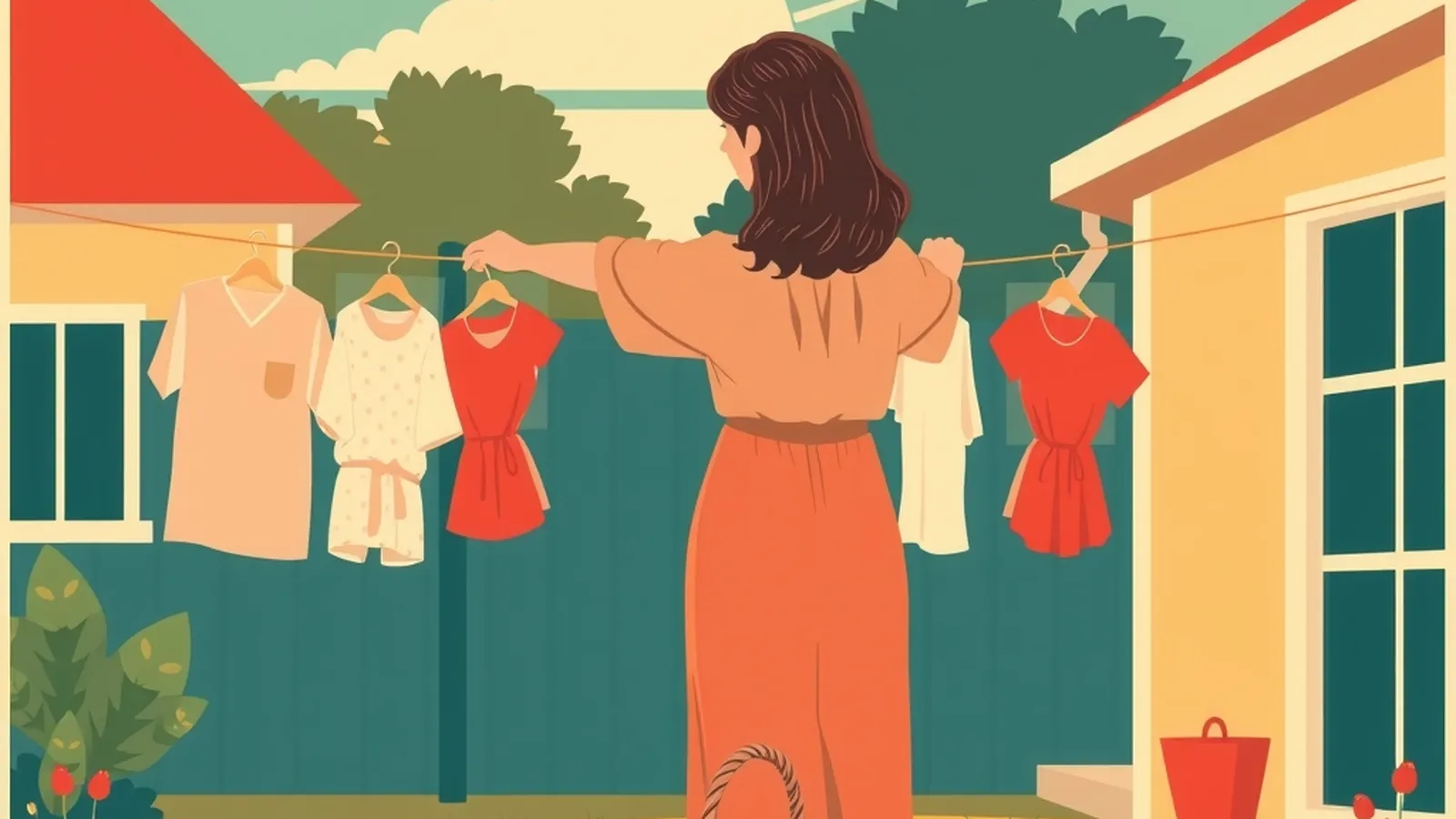
- Air-dry a load of laundry on a rack or line.
How habit stacking works
Habit stacking means attaching a new habit to something you already do without thinking. The existing routine becomes the reminder.
The formula is simple: "After I [current habit], I will [new habit]."
Examples:
- After I turn off the TV, I will switch off the power strip.
- After I start the coffee, I will fill my water bottle.
- After I put on my shoes, I will grab my reusable bag.
- After I unload groceries, I will move older food to the front of the fridge.
- After I brush my teeth at night, I will check that the lights in the living room are off.
Choose a current habit that happens at the same time and place as the new one. The closer they are, the better it works.
Make the habit easy
A few small setups make habits much easier:
- Put things where you'll use them. Keep reusable bags by the door or in the car. Keep a bin for recyclables right next to the trash.
- Remove friction. A power strip you can reach with your foot is easier to switch off than one behind the couch.
- Make the old way less convenient. Move paper towels to a high shelf and keep cloth towels by the sink.
- Start tiny. "Air-dry two shirts" is easier to start than "stop using the dryer."
Tracking your progress
Tracking helps you notice patterns and gives you a small sense of progress. Keep it simple:
- Use a paper calendar and mark an X each day you do the habit.
- Keep a short weekly note: what went well, what didn't, what to adjust.
- Review once a month. Decide whether to keep going, change the habit or add a new one.
Don't worry about streaks. Missing a day is normal. The goal is a habit that holds up over months, not a perfect record.
Involving your household
Habits are easier when the people you live with are on board. A few ideas:
- Ask, don't lecture. Explain what you're trying and why, and ask if anyone wants to join.
- Share the setup. Put the recycling guide on the fridge and the reusable bags where everyone can reach them.
- Let people choose. A roommate might not care about meal planning but may enjoy line-drying clothes.
- Celebrate small wins. Notice when the recycling bin is cleaner or the fridge has less wasted food.
Example: building three habits over two months
This is a fictional example.
Taylor wanted to be greener but kept forgetting. They chose three habits and stacked each one:
| Week | Habit | Stacked on |
|---|---|---|
| Weeks 1-2 | Switch off the TV power strip | Turning off the TV at night |
| Weeks 3-4 | Fill a reusable bottle | Starting the morning coffee |
| Weeks 5-8 | Check the fridge before shopping | Writing the grocery list |
Taylor tracked each habit with an X on a kitchen calendar. By week eight, the first two were automatic, and the third was getting there.
Where the three Rs fit
Many daily habits are really the three Rs in action: carrying a bottle reduces waste, using jars reuses containers, and rinsing recyclables helps recycling work. Our guide to reduce, reuse, recycle explains why reducing comes first.
Habits for renters
If you rent, you might think your options are limited. Most of the habits on this page don't touch the building at all, so they work anywhere. For bigger changes, like talking to a landlord about drafty windows, our guide to green living for renters walks you through what to ask.
When habits start to feel like pressure
Habits should make life easier, not heavier. If tracking starts to feel like a test you're failing, take a break or drop a habit that isn't working. Our guide to avoiding eco guilt and burnout has ideas for keeping green living sustainable for you, too.
Something to do this weekend
Write down three things you do every day without thinking, like making coffee, brushing your teeth or turning off the TV. Next to each, write one small green habit you could stack on it. Choose one, set up whatever you need (a bottle by the coffee maker, a reachable power strip), and start tomorrow.
Want a step-by-step plan or guide?
Some people like the structure of a paid guide or set of plans. This button opens a third-party program from one of our advertising partners. Its claims are its own, not ours, so weigh them against our checklist for judging paid plans.
See the partner program →We may be paid when you click. The program shown can change. Read its terms before you buy anything. How this works
Frequently asked questions
What are some easy eco-friendly habits?
Turning off lights and devices when you leave a room, washing clothes in cold water, carrying a reusable bottle, and planning meals to waste less food are easy places to start. Pick one or two and build from there.
How long does it take to build a new habit?
It varies a lot from person to person and habit to habit. Simple habits tied to something you already do tend to become automatic faster than complicated ones, so keep them small at first.
What is habit stacking?
Habit stacking means attaching a new habit to one you already have, such as switching off the power strip right after you turn off the TV. The existing routine acts as a reminder for the new one.