Natural vs Synthetic Fabrics
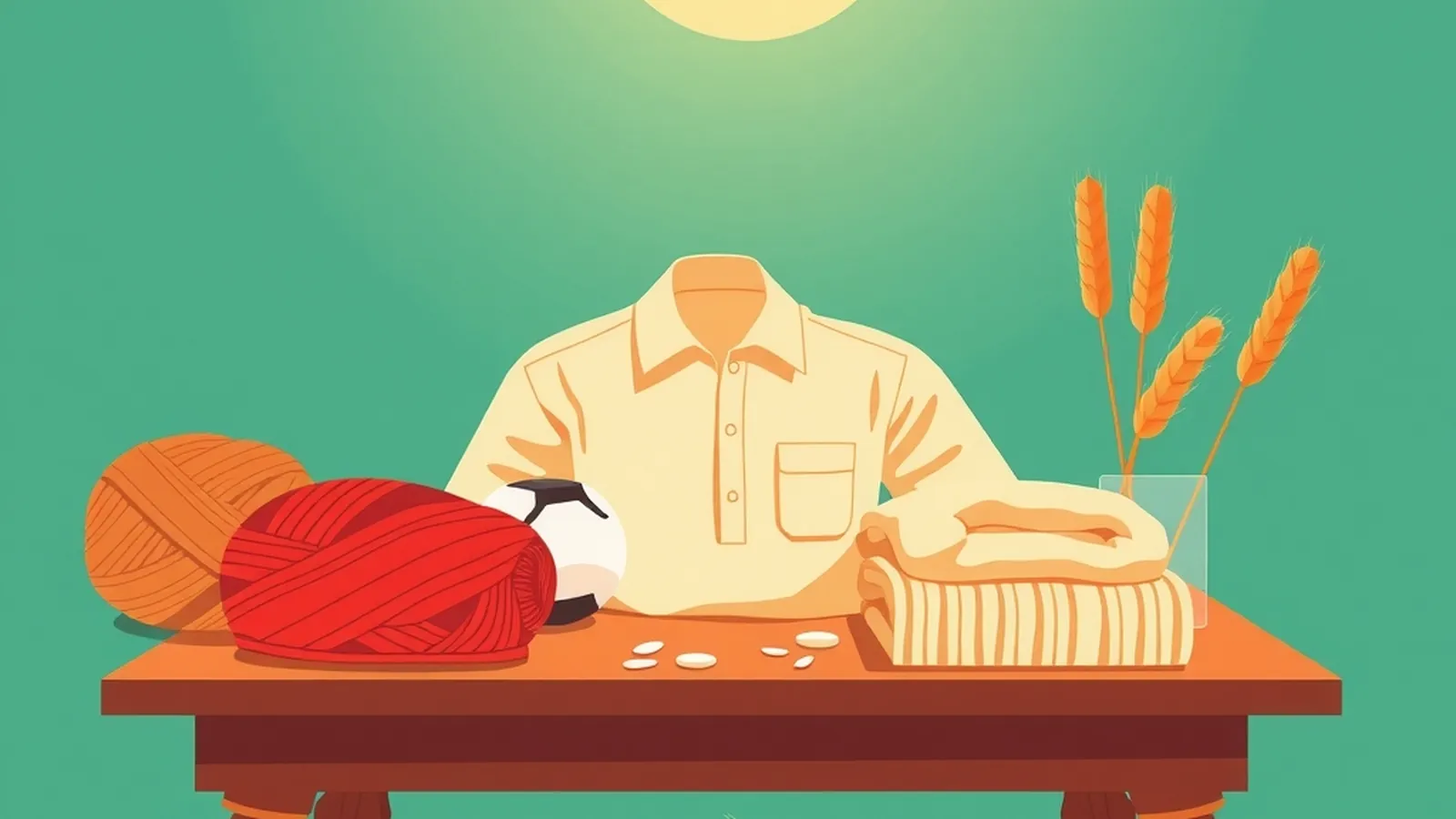
Natural fabrics like cotton, linen, wool and hemp come from plants or animals, while synthetics like polyester, nylon and acrylic are made mostly from fossil fuels. Neither group is simply "good" or "bad." Each fiber has tradeoffs in how it's made, how it performs, how long it lasts and what happens at the end of its life. The best choice is usually the fabric that suits the job and that you'll keep using for years.
This guide is part of the materials thinking in our Green Products section, and it's handy whether you're buying clothes, towels, bedding or upholstery.
The main fibers at a glance
| Fiber | Where it comes from | Strengths | Tradeoffs to weigh |
|---|---|---|---|
| Cotton | Cotton plant | Soft, breathable, easy to wash | Growing it can use a lot of water and farm inputs; can shrink and wrinkle |
| Linen | Flax plant | Strong, breathable, gets softer with age | Wrinkles easily; often costs more |
| Hemp | Hemp plant | Strong and hard-wearing | Can feel stiff at first; fewer options in stores |
| Wool | Sheep and other animals | Warm, resists odor, can be worn many times between washes | Needs gentle washing; animal welfare questions vary by farm |
| Polyester | Petroleum-based plastic | Durable, quick-drying, holds shape | Sheds tiny fibers in the wash; doesn't break down easily |
| Nylon | Petroleum-based plastic | Very strong, good for outerwear and bags | Sheds fibers; hard to recycle in most areas |
| Acrylic | Petroleum-based plastic | Wool-like feel, low cost | Can pill quickly; sheds fibers |
These are general patterns. How a specific fabric is grown, dyed and finished can change the picture a lot.
Plant fibers: cotton, linen and hemp
Cotton is the fabric most of us wear daily. It's comfortable and easy to care for, but conventional cotton farming can be resource-heavy. Organic and recycled cotton are options some people prefer. If you see an organic claim, check which certification backs it; our eco labels guide explains how to verify a label.
Linen comes from flax and is known for being strong and breathable. It wrinkles, which some people love and others don't. Well-made linen sheets and shirts can last a long time.
Hemp is tough and often blended with cotton to soften it. It's a good choice for bags, work clothes and heavy-use textiles.
All three can usually break down at the end of life when they are pure plant fiber and free of heavy synthetic finishes. Blends and coatings change that.
Animal fibers: wool and silk
Wool is warm, resists odors and can often be aired out instead of washed after each wear. That can make a wool sweater a long-term wardrobe staple. The tradeoffs include gentle care needs and questions about how animals are raised. Some certifications address animal welfare; look up any logo you see before trusting it.
Silk is soft and light but delicate. It suits occasional wear more than daily hard use.
Synthetic fibers: polyester, nylon and acrylic
Synthetics are made from plastics, and they bring real strengths. Polyester and nylon dry quickly, hold their shape and stand up to rough use, which is why they're common in rain jackets, athletic wear and backpacks. A synthetic piece you wear for a decade can be a better choice than a natural-fiber piece that falls apart in a year.
The main concerns are that synthetics are made from fossil fuels, they don't break down easily and they shed tiny fibers, often called microfibers or microplastics, during washing and wear. Recycled polyester, often made from plastic bottles, reuses existing material, but it still sheds and is still hard to recycle again.
The shedding question also comes up with cleaning cloths. Our guide on whether microfiber cloths are eco-friendly looks at that tradeoff and gives washing tips.
Blends: the in-between option
Many fabrics mix fibers, such as cotton with polyester or wool with nylon. Blends can be practical: a bit of nylon in wool socks helps them last, and a cotton-poly shirt may wrinkle less. The downside is that blends are usually harder to recycle or compost, because the fibers are hard to separate.
A reasonable approach: choose blends when they make a piece last noticeably longer, and choose single fibers when you have a good option that performs just as well.
Washing tips by fabric type
How you wash matters for every fiber, both for how long clothes last and for how much they shed.
- Cotton and linen: cold or warm wash per the label; air dry to limit shrinking.
- Hemp: washes like cotton and softens over time.
- Wool: air it out between wears; hand wash or use a wool cycle with a wool-safe detergent, then dry flat.
- Polyester and nylon: cold water, gentle cycle, full loads; skip the dryer when you can.
- Everything: wash less often when clothes aren't actually dirty, and follow the care label.
Our eco-friendly laundry guide covers more about cold washing and line drying.
Worked example: choosing new bath towels
Example: Avery, in their late thirties, needs new bath towels. They compare three options at a home goods store: a cotton-polyester blend, an all-cotton towel and a linen towel.
- The blend is cheap and dries fast, but Avery knows it will be hard to compost or recycle later.
- The cotton towel is thick and soft, with tight, even weaving.
- The linen towel is lightweight and dries quickly in their humid bathroom, but it costs more.
Avery picks two cotton towels with sturdy hemmed edges, plans to retire their old towels into cleaning rags, and sets a reminder to wash towels in full loads. It's a practical choice that fits their budget and habits.
Where fabric choices show up next
Fabric questions come up all over the home. Cloth napkins and towels replace paper in our reusable kitchen items guide. Upholstery and cushions matter for furniture that lasts. And our guide to sustainable clothing on a budget shows how buying less and buying secondhand often matter more than fiber type.
Something to do this weekend
Pick five clothing items you wear most and check their care labels. Note the fiber content of each. You'll get a feel for what already works for you, and you can adjust how you wash them: cold water and air drying for synthetics, airing out wool between wears and full loads for everything.
Want a step-by-step plan or guide?
Some people like the structure of a paid guide or set of plans. This button opens a third-party program from one of our advertising partners. Its claims are its own, not ours, so weigh them against our checklist for judging paid plans.
See the partner program →We may be paid when you click. The program shown can change. Read its terms before you buy anything. How this works
Frequently asked questions
Are natural fabrics more eco-friendly than synthetic ones?
It depends. Natural fibers come from plants or animals and can break down more easily at the end of life, but growing and processing them has its own impacts. Synthetics are made from fossil fuels and can shed tiny fibers, yet some last a long time. How long you keep a piece often matters as much as the fiber.
What is a blended fabric, and is it a problem?
A blend mixes fibers, such as cotton with polyester, to combine traits like softness and wrinkle resistance. Blends can be durable and comfortable, but mixed fibers are usually harder to recycle or compost.
How can I reduce fiber shedding when I wash synthetics?
Wash full loads in cold water on a gentle cycle, wash less often when clothes aren't dirty and air dry when you can. Some people also use a wash bag or filter designed to catch fibers.