How to Choose a Water Filter
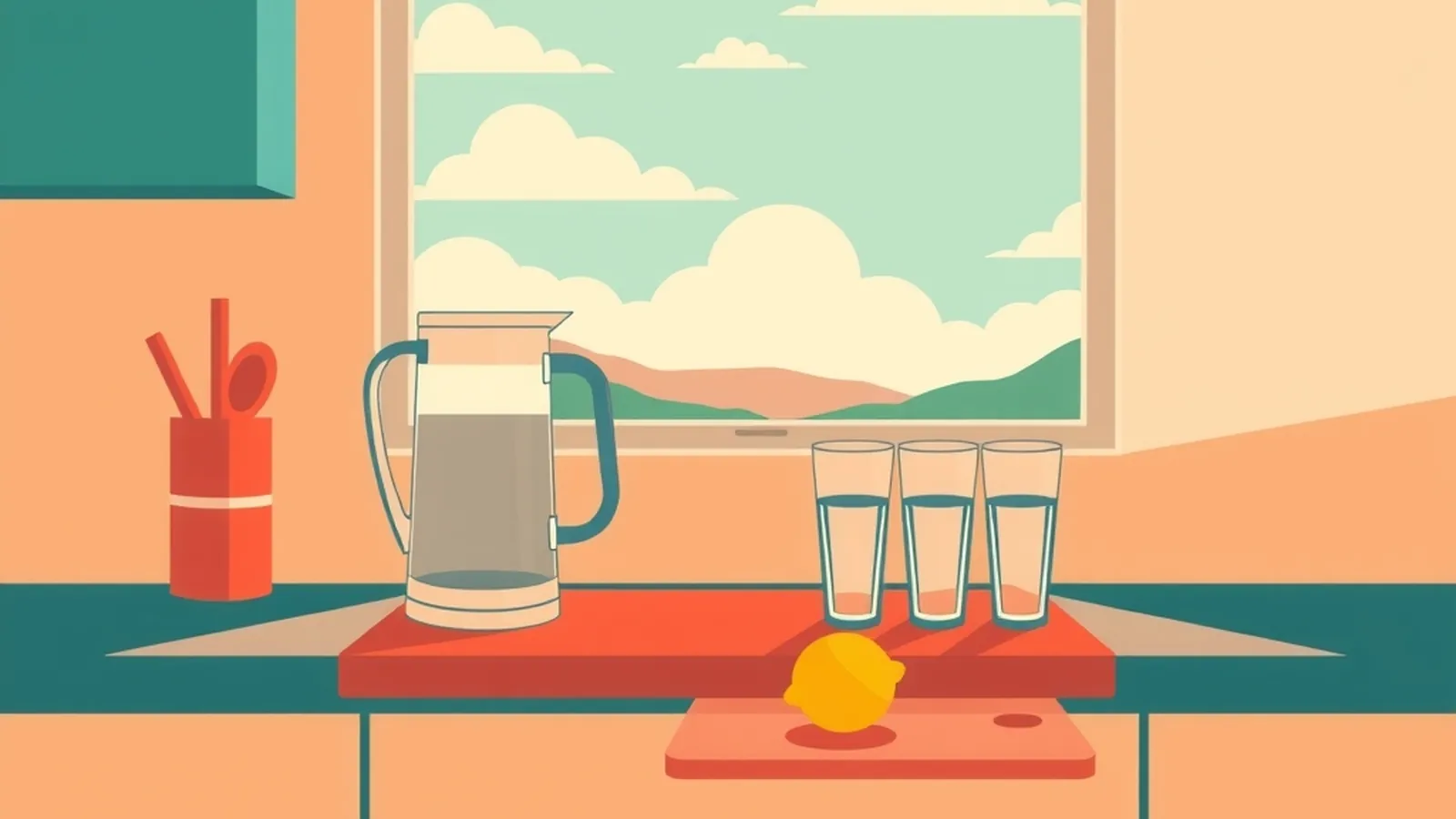
To choose a water filter, first read your utility's annual water quality report to see what's in your water, then pick a filter certified by NSF International to reduce those specific contaminants. Choose the type that fits your home, whether a pitcher, faucet mount or under-sink system, and change the cartridge on schedule. A filter only does what it's certified to do, so matching it to your water matters more than the price tag or style.
Filters are the "clean water" side of our Saving Water section, which also covers using less water and storing it for emergencies.
Step 1: Find out what's in your water
If you get water from a public utility, it publishes an annual water quality report, sometimes called a Consumer Confidence Report. It lists contaminants that were detected, their levels and how those compare with federal limits. You can usually find it on your utility's website, on your bill or by calling.
When you read it, look for:
- Anything flagged as a violation or above a limit.
- Lead and copper notes, which often depend on your building's own pipes as much as the utility's supply.
- Taste and odor notes, such as chlorine, which many people simply prefer to reduce.
If you have a private well, there's no utility report. Contact your local or state health department for advice on testing and finding a certified lab.
Step 2: Understand NSF/ANSI certification
NSF International is an independent organization that certifies water filters to NSF/ANSI standards. Those standards are about specific claims. A filter isn't simply "certified" in general; it's certified to reduce particular contaminants, such as chlorine taste and odor, lead or certain chemicals.
That means two certified filters can do very different things. One might be certified only for taste and odor, while another is certified for lead reduction. To check:
- Find the model number on the box or product page.
- Look up the model in NSF's online listings of certified products.
- Read the list of contaminants it's certified to reduce.
- Compare that list with what you found in your water report.
If a product says it "meets" a standard but isn't listed with a certifier, treat the claim with care. Other accredited certifiers also test to NSF/ANSI standards, and their listings are worth checking the same way.
Step 3: Pick a filter type
| Type | Good for | Things to know |
|---|---|---|
| Pitcher or dispenser | Renters, small households, trying filtered water | Slow to fill; fridge space; frequent cartridge changes |
| Faucet mount | Renters who want filtered water on tap | Doesn't fit every faucet; can be bulky |
| Countertop | People who don't want to modify plumbing | Takes counter space; connects to the faucet |
| Under-sink | Owners who want a dedicated filtered tap | May need tools or a plumber to install |
| Reverse osmosis | Reducing a wide range of contaminants | Produces some wastewater; usually under-sink; more maintenance |
| Whole-house | Treating all water entering the home | Usually a professional install; often aimed at sediment or chlorine, not drinking water specifically |
Whole-house systems and any filter that requires cutting into pipes are jobs for a licensed plumber, with permits where required.
Step 4: Keep up with cartridges
A filter is only as good as its cartridge. Over time, cartridges fill up and may stop reducing contaminants as intended.
- Follow the manufacturer's schedule, which is usually based on time or gallons.
- Write the install date on a piece of tape on the pitcher or under the sink.
- Rinse or flush new cartridges as the instructions say before first use.
- Check whether the maker or your local program takes back used cartridges, since many can't go in curbside recycling. When in doubt, ask your local recycling program.
Filtered water on the go
Once you have water you like at home, carrying it with you is an easy switch from single-use bottles. Our reusable bottles and bags guide compares bottle materials and how to keep them clean. A pitcher in the fridge also means you're not running the tap waiting for cold water.
Watch for scare-based sales
Some sellers offer a "free water test" at your door, then use the results to push an expensive system on the spot. A legitimate test result should come from a certified lab, and a good seller will give you time to compare options. Our guide to red flags lists common pressure tactics and how to respond.
Water you shouldn't filter and drink
Filters are designed for treated tap water or tested well water. They're not a way to make rainwater or greywater safe to drink. Collected rain is best kept for plants and other non-drinking uses, as our rain barrels and greywater guide explains.
Worked example
Example: Dana rents an older apartment. Their utility's report showed the city's water met federal standards, but it noted that lead can come from a building's own plumbing. Dana asked the landlord about the building's pipes, then chose a pitcher certified for lead reduction. They looked up the model in NSF's listings to confirm and wrote the cartridge date on a strip of tape.
Make it a habit
A filter works best when changing the cartridge is part of your routine, not something you remember months late. Our water-wise habits guide has ideas for building reminders into the week. And if you're filling a pitcher at the kitchen sink, our laundry and dishes guide covers the rest of the kitchen's water use.
Questions to ask before you buy
Use this short list when comparing filters in a store or online:
- Which contaminants is this model certified to reduce, and by which certifier?
- Does that list match what my water report shows, or what I care about, like taste?
- How often does the cartridge need changing, and what does a replacement cost?
- Will it fit my faucet, fridge or sink cabinet?
- Does it need a plumber to install?
- What happens to used cartridges?
If a seller can't answer the first question clearly, keep looking.
Something to do today
Search for your water utility's name plus "water quality report" and open the latest one. Skim it for any violations or notes about lead. If you already own a filter, find its model number and check which contaminants it's certified to reduce.
Want a step-by-step plan or guide?
Some people like the structure of a paid guide or set of plans. This button opens a third-party program from one of our advertising partners. Its claims are its own, not ours, so weigh them against our checklist for judging paid plans.
See the partner program →We may be paid when you click. The program shown can change. Read its terms before you buy anything. How this works
Frequently asked questions
Do I need a water filter?
Not always. Start by reading your utility's annual water quality report. If it shows something you want to reduce, or you prefer the taste of filtered water, choose a filter certified to reduce those specific contaminants.
What does NSF certified mean on a water filter?
It means NSF International has certified the filter to an NSF/ANSI standard for reducing specific contaminants. Check the product's listing to see exactly which contaminants it's certified for, since filters differ.
How often should I change my water filter cartridge?
Follow the manufacturer's instructions, which usually give a time limit or a number of gallons. An overdue cartridge may stop working as intended, so set a reminder when you install a new one.