Low-Flow Showerheads, Faucets and Toilets
Low-flow fixtures are showerheads, faucets, faucet aerators and toilets designed to use less water each minute or each flush. The easiest way to find a good one is to look for the EPA's WaterSense label, which means the product was certified to use less water and still perform well. A showerhead or aerator is an easy DIY swap; a toilet is a bigger job.
Fixtures are one piece of the puzzle; our Saving Water section pairs them with room-by-room checklists, leak tests and everyday habits.
What the WaterSense label means
WaterSense is a program run by the US Environmental Protection Agency. Products that carry the WaterSense label are certified to be at least 20% more water-efficient than average products in their category, and to perform as well or better than those average products. That second part matters. It's there so you don't trade a decent shower for a weak trickle.
A few things to keep in mind:
- It's a certification, not a brand. Many manufacturers make WaterSense-labeled products at different prices.
- It covers specific categories. You'll see it on showerheads, bathroom faucets and aerators, toilets, urinals and some irrigation products.
- Check the label on the product or box, and you can confirm a model on the EPA's WaterSense website.
- It's different from ENERGY STAR. WaterSense is about water; ENERGY STAR is about energy. Our guide to eco labels explained covers how the common labels compare and how to verify them.
Because hot water takes energy to heat, a more efficient showerhead can also reduce the energy you use for showers. How much depends on your water heater, your shower length and your local rates.
Choosing a showerhead
Showerheads vary a lot in how they feel, even at the same flow rate. When you shop:
| What to look at | Why it matters |
|---|---|
| WaterSense label | Certified for efficiency and performance |
| Spray pattern | Wide, rain-style and massage sprays feel different; pick one you'll actually like |
| Handheld or fixed | Handheld models help with rinsing hair, cleaning the tub and bathing pets |
| Finish | Match your existing fixtures if that matters to you |
| Return policy | If you don't like the feel, you'll want to swap it |
If you have very low water pressure already, read reviews from people who mention low pressure, or ask the store about models designed for it.
Choosing a faucet aerator
An aerator is the small screen cap at the tip of a faucet. It mixes air into the stream and limits flow. It's one of the cheapest, easiest water switches in the house.
- Unscrew the old one by hand or with a cloth-wrapped pliers to avoid scratching.
- Bring it to the store so you get the right size and thread (inside or outside threads).
- Choose a bathroom flow for bathroom sinks and a slightly higher one for the kitchen, where you fill pots.
- Clean aerators now and then. Mineral buildup can clog them and make the stream sputter.
Choosing a toilet
Toilets last a long time, so most people replace one only when it cracks, leaks badly or needs a remodel. When that time comes:
- Look for the WaterSense label.
- Check the rough-in measurement, the distance from the wall to the center of the floor bolts, so the new toilet fits.
- Consider dual-flush models, which offer a lighter flush for liquid waste and a full flush for solids.
- Think about height. Comfort-height toilets are taller, which some people prefer.
Installing a toilet means shutting off water, removing the old one, setting a new wax ring and making a watertight seal. Some handy people do it themselves. If you're unsure, or if the floor around the toilet is soft or damaged, hire a licensed plumber. Any work that moves pipes or changes supply lines belongs to a licensed plumber, with permits where your area requires them.
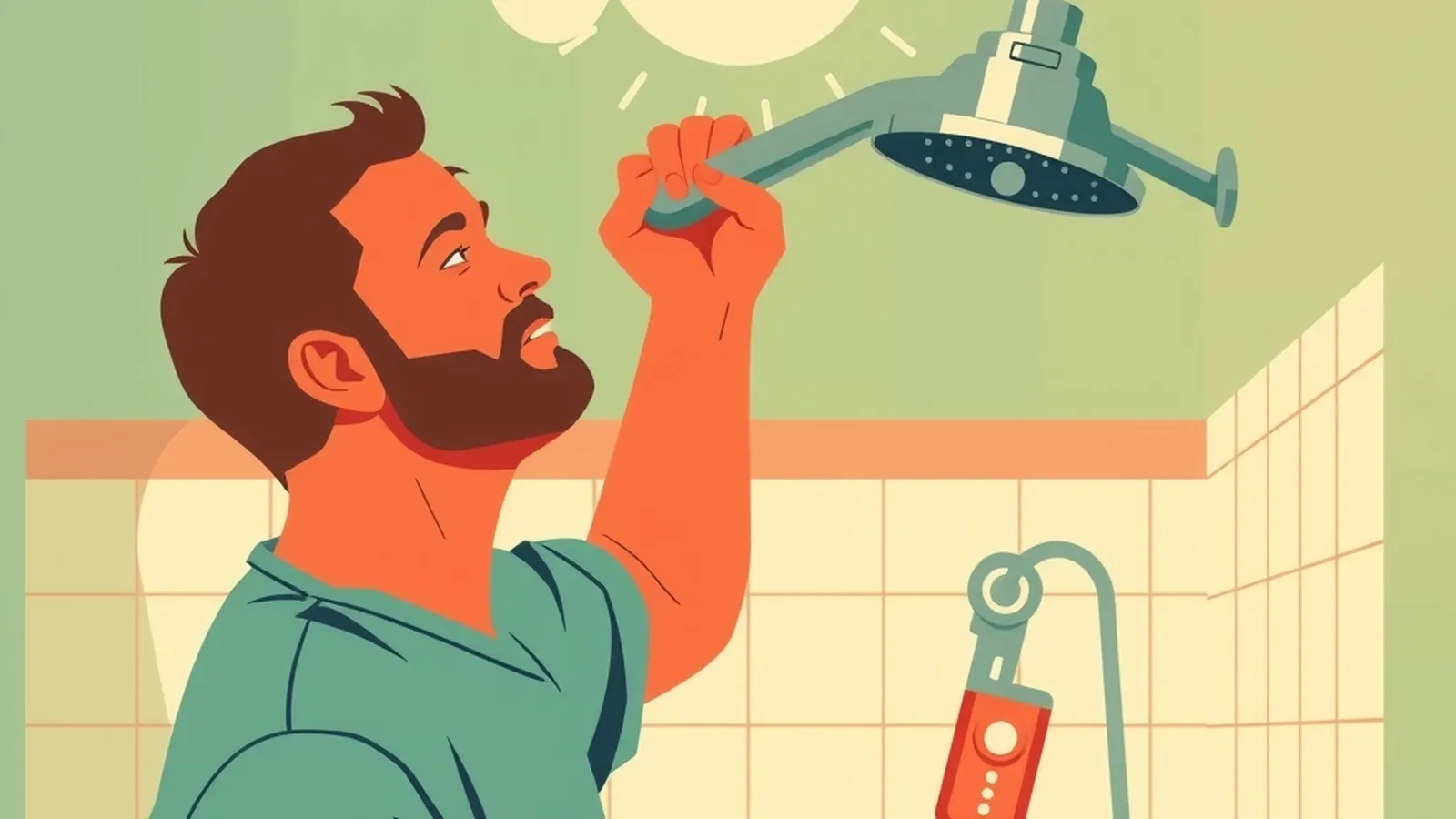
How to install a showerhead, step by step
- Gather supplies: the new showerhead, plumber's tape, an adjustable wrench and a soft cloth.
- Remove the old head. Turn it counterclockwise. If it's stuck, wrap the cloth around the connector and use the wrench gently.
- Clean the threads on the shower arm with a cloth to remove old tape and buildup.
- Wrap new plumber's tape clockwise around the threads, two or three times.
- Screw on the new head by hand, then snug it a little with the wrench over the cloth. Don't overtighten.
- Run the water and check for drips. If it leaks at the joint, tighten slightly or rewrap the tape.
Renters: keep the original showerhead and aerators in a labeled bag so you can put them back when you move out.
Rebates and free kits
Many water utilities offer rebates on WaterSense toilets or free aerators and showerheads. Programs change and vary by area, so check your utility's website or call before you buy. Our free resources guide lists other places to look for help at no cost.
Fixtures work best with no leaks
A new efficient toilet doesn't help much if the flapper leaks, and a great showerhead can't fix a dripping tub spout. Before you upgrade, run the checks in our guide to finding and fixing leaks. After you upgrade, our shower and toilet savings guide covers the habits that pair well with new fixtures, like shorter showers and tank checks. For a whole-home view, go back to the room-by-room checklist.
Worked example
Example: Priya just bought a small older house. Instead of replacing everything at once, they unscrewed each faucet aerator, took them to a hardware store and bought WaterSense replacements for the bathroom and kitchen. They added a WaterSense handheld showerhead in the main bathroom and set a reminder to replace the old toilet when it next needs major repairs. Total time: one Saturday morning.
Common questions when shopping
- Will it fit? Most showerheads use a standard thread in the US, but check the package. Aerators come in a few sizes.
- Can I return it? Keep the receipt and packaging until you've tried it for a week.
- Do I need special tools? For showerheads and aerators, usually just a wrench, a cloth and plumber's tape.
Something to do this weekend
Unscrew one faucet aerator and look at it. If it's crusty or clogged, soak it in vinegar for an hour, rinse it and screw it back on. If it has no flow marking or looks very old, take it to the hardware store and match it with a WaterSense model.
Want a step-by-step plan or guide?
Some people like the structure of a paid guide or set of plans. This button opens a third-party program from one of our advertising partners. Its claims are its own, not ours, so weigh them against our checklist for judging paid plans.
See the partner program →We may be paid when you click. The program shown can change. Read its terms before you buy anything. How this works
Frequently asked questions
Do low-flow showerheads have weak pressure?
Not necessarily. Products with the WaterSense label are certified to perform as well as or better than average products in their category, so look for that label and read the spray type before you buy.
Can I install a low-flow showerhead myself?
Usually, yes. Most showerheads unscrew from the shower arm by hand or with a wrench, and the new one screws on with a wrap of plumber's tape. Replacing a toilet is a bigger job that many people hand to a plumber.
Should I replace a toilet that still works?
If it works well and doesn't leak, there's no rush. Many people wait until a toilet needs replacing anyway, then choose a WaterSense model. A running or leaking toilet should be fixed right away either way.