Easy Sustainable Swaps
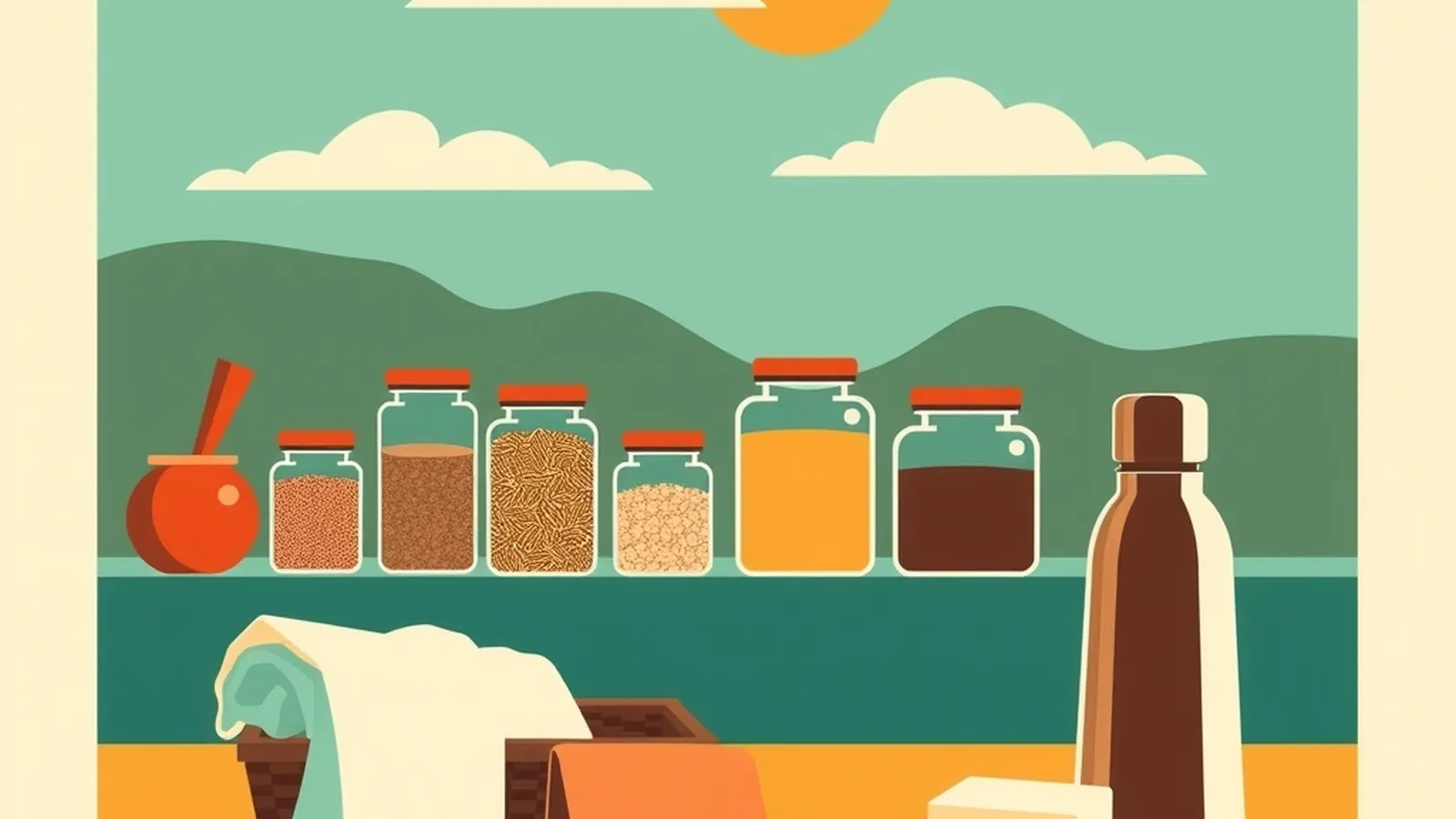
The easiest sustainable swaps replace something you use often with an option that lasts longer, uses less or creates less waste, such as cloth towels instead of paper towels or a refillable bottle instead of single-use ones. The golden rule is to use up what you already own first. Swap an item when it runs out or wears out, not before.
Below you'll find a room-by-room table of practical swaps, a few habit swaps that cost nothing, and tips for avoiding the "buy everything new" trap. If you're still deciding where to put your effort, our Green Living Basics section helps you choose which areas of life to tackle first.
The use-it-up rule
It's tempting to start a greener life by clearing out the plastic and buying a full set of glass, bamboo and steel. But every new product takes materials and energy to make and ship. Throwing away something that still works, just to replace it, usually creates more waste rather than less.
A better approach:
- Use what you have until it's empty or worn out.
- Reuse it if you can, for storage, cleaning or another job.
- Replace it thoughtfully with something that lasts longer, ideally secondhand.
- Dispose of it properly when it truly can't be used anymore.
That order mirrors the classic "reduce, reuse, recycle" idea. Our guide to reduce, reuse, recycle explains why the order matters and gives examples for each step.
Swaps by room
| Room | Instead of | Try | When to switch |
|---|---|---|---|
| Kitchen | Paper towels for every spill | Cloth towels or rags cut from old shirts | Now, using fabric you already have |
| Kitchen | Plastic wrap | A plate over a bowl, a lidded container or a beeswax-style wrap | When the roll runs out |
| Kitchen | Single-use sandwich bags | Reusable containers or washable bags | When your current box runs out |
| Kitchen | Bottled water | Tap water in a reusable bottle, filtered if you prefer | Now |
| Bathroom | Liquid soap in a pump bottle | Bar soap or refills of the same pump | When the bottle is empty |
| Bathroom | Disposable razors | A razor with replaceable blades | When your current pack runs out |
| Bathroom | Cotton rounds | Washable cloth rounds | When the bag is empty |
| Laundry | Hot-water washes | Cold water when the care label allows | Now |
| Laundry | Dryer for every load | Line or rack drying when you can | Now, for a few items |
| Laundry | Dryer sheets | Wool dryer balls or skip them entirely | When the box runs out |
| Cleaning | Many specialty sprays | A few multi-purpose products used per label | As each one runs out |
| Living areas | Old bulbs | LED bulbs | As each bulb burns out |
| On the go | Disposable coffee cups | A travel mug | Now, if you own one |
| On the go | Single-use shopping bags | Reusable bags kept in your car or backpack | Now |
Pick one or two rows to start. You don't need to do the whole table.
For more ideas focused on cutting plastic in particular, our plastic-free swaps guide goes deeper on the kitchen, bathroom and on-the-go items.
Habit swaps that cost nothing
Some of the most useful swaps aren't products at all:
- Take shorter showers a few days a week.
- Turn off the tap while brushing teeth or scrubbing dishes.
- Run full loads of laundry and dishes.
- Turn down the thermostat a few degrees at night in winter.
- Unplug chargers you're not using, or plug them into a power strip you switch off.
- Plan meals before shopping, so less food goes to waste.
- Borrow before buying tools or gear you'll use once.
These habits pair well with any product swap, and they're the heart of our guide to green living on a budget.
How to choose a good replacement
When something does need replacing, a few questions help:
- Will I use it many times? Reusables pay off environmentally when they're used again and again.
- Will it last? Look for sturdy materials, simple designs and replaceable parts.
- Can I find it secondhand? Thrift stores and buy-nothing groups often have containers, mugs, bags and kitchen tools.
- Does it have a meaningful label? For appliances, fixtures and cleaners, a trusted label can help you compare. Our eco labels explained guide covers which ones mean something.
- What happens at the end? Can it be repaired, recycled locally or composted where you live?
Be wary of products sold as "eco" with no details. Bamboo, silicone and glass can be good choices, but each has tradeoffs in how it's made and how long it lasts.
Example: a slow kitchen switch
This is a fictional example.
Morgan wanted a plastic-free kitchen but didn't want to toss what they had. Over several months:
- They kept using their plastic containers and set aside glass jars from pasta sauce for dry goods.
- When the paper towel roll ran out, they cut two old T-shirts into rags and kept them in a basket by the sink.
- When the plastic wrap ran out, they started covering bowls with plates.
- They bought one set of secondhand glass containers when a few plastic ones cracked.
Morgan spent very little and created less waste than a full replacement would have.
Swaps that can backfire
A few cautions:
- Buying multiples. Five reusable cups you never use aren't greener than a few disposables.
- Fragile items in the wrong place. Glass containers in a lunch bag that gets dropped a lot may not last.
- "Natural" cleaners mixed at home. Never mix cleaning products, especially bleach with ammonia or acids like vinegar. Our guide to DIY cleaners explains why.
- Swaps you don't like. If a swap makes life harder, try a different one. A swap you stick with beats a perfect one you quit.
Getting help for bigger swaps
Some swaps, like insulation or a more efficient water heater, cost more. Many utilities and state programs offer help, and some households qualify for free efficiency improvements. Our free resources guide lists where to look, and programs vary by state.
Something to do this weekend
Walk through your kitchen and bathroom and find one item that's almost used up. Decide now what you'll switch to when it runs out, and whether you can find it secondhand or make it from something you already own. Then pick one habit swap from the list above and start it today.
Want a step-by-step plan or guide?
Some people like the structure of a paid guide or set of plans. This button opens a third-party program from one of our advertising partners. Its claims are its own, not ours, so weigh them against our checklist for judging paid plans.
See the partner program →We may be paid when you click. The program shown can change. Read its terms before you buy anything. How this works
Frequently asked questions
What are the easiest sustainable swaps to start with?
Swaps that use things you already own are easiest: cloth towels from old shirts, jars as storage, a reusable bag you already have. Habit swaps like washing in cold water or turning off lights cost nothing at all.
Should I throw away plastic items and replace them with eco versions?
Generally no. Throwing out usable items to buy new ones creates more waste. Use what you have until it wears out, then choose a longer-lasting replacement.
Are reusable products always better?
Reusables tend to make the most sense when you use them many times. A reusable item used once or twice may not be better than a disposable one, so choose reusables you'll actually keep using.