What Is the Safer Choice Label?
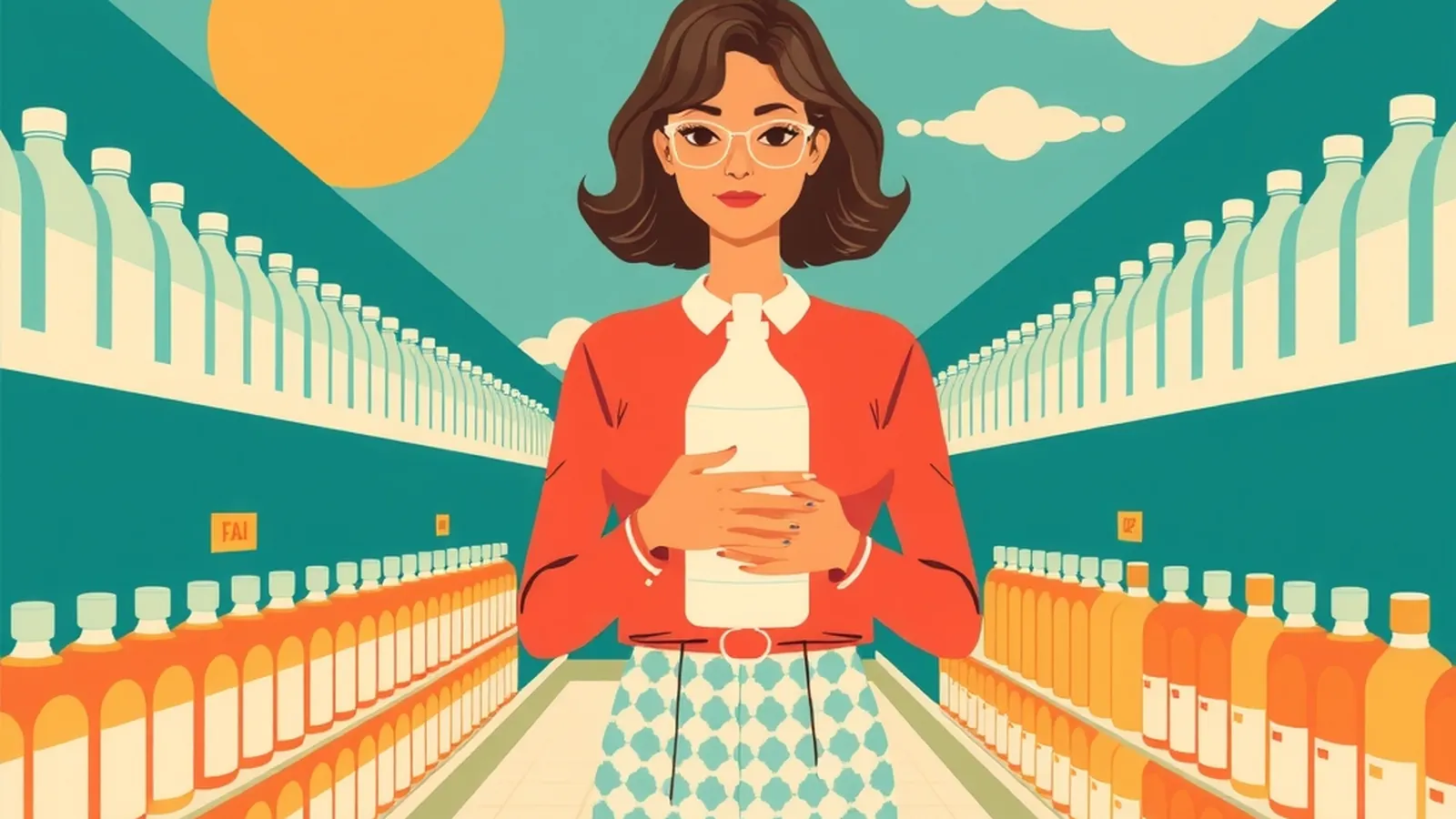
The Safer Choice label is a mark from the US Environmental Protection Agency. It appears on cleaning and other products whose ingredients have been reviewed by EPA scientists and meet the program's safety criteria. When you're comparing two cleaners that do the same job, it's one of the more useful signals on the shelf, because it's backed by an independent review rather than the maker's own wording.
It fits into the way we approach shopping throughout our Green Cleaning section: fewer products, chosen with more care. Here's what the label means, what it doesn't and how to check it in a couple of minutes.
What the label means
The key idea is ingredient review. For a product to carry the Safer Choice mark, EPA scientists look at its ingredients and check them against the program's safety criteria. The label isn't something a company can simply decide to print. That separates it from words like "natural," "green" or "eco," which can appear on a bottle with no outside check at all.
The label shows up on more than household cleaners. You may also see it on things like laundry products, dish soaps and some other products used around the home.
What the label doesn't mean
It helps to be clear about the limits, so you don't expect more than the mark promises:
- It doesn't replace the directions. Every Safer Choice product still has instructions, warnings and storage guidance. Follow them.
- It doesn't make mixing safe. Never combine any cleaner with another, labeled or not.
- It doesn't promise a product is right for every surface. Check which materials it's meant for.
- It isn't a health claim. We don't say any cleaner is good for your health. The label tells you an ingredient review happened and the product met EPA's criteria.
- It isn't the only good option. Plenty of uncertified products work well and can be used safely. The label is one helpful filter, not a requirement.
Safer Choice vs vague claims
| What you see on the bottle | What it tells you | What to do |
|---|---|---|
| The EPA Safer Choice mark | Ingredients reviewed by EPA scientists against program criteria | Confirm it on the EPA website, then follow the label |
| "Natural," "green," "eco" | Nothing specific on its own | Look for a specific claim and evidence |
| "Plant-based" | Some ingredients come from plants | Plant-based ingredients can still irritate; read the warnings |
| "Non-toxic" | Not a defined standard on its own | Treat it as marketing until you see specifics |
| A logo you don't recognize | Unknown | Search for the group behind it and how it certifies |
The FTC's guidance on environmental marketing says broad claims like "eco-friendly" are hard to back up and likely to mislead, and that claims should be specific and supported. Our greenwashing guide explains how to read a claim like a skeptic.
How to look up a product, step by step
- Note the exact product name and size, including scent or version, since one line can include several formulas.
- Go to the EPA's Safer Choice website and use the search for certified products.
- Search by product name or company. Check that the listed version matches the one in your hand.
- If it's not listed, the label on the bottle might be old, the version might differ, or the claim might not be accurate. Contact the maker and ask.
- Save your finds. Keep a short list in a notebook of the products you've verified, so next trip is faster.
Example: someone shopping for dish soap finds two bottles, one with a leaf drawing and the word "pure," the other with the Safer Choice mark. They check the second on the EPA site, confirm the scent they want is listed, and buy it. The first bottle might be fine too, but nothing on it can be checked.
Using the label across your home
Some of the best places to use Safer Choice as a tie-breaker:
- Laundry detergent. It's something you buy often and use in larger amounts. Our green laundry guide covers dosing and cold washes once you've picked a product.
- Kitchen cleaners and dish soap. These are used near food every day. See green kitchen cleaning for routines that keep the number of products low.
- Instead of homemade, when you'd rather buy. If mixing your own sprays isn't for you, a certified ready-made cleaner is a solid option. If you do make your own, homemade cleaners explains where vinegar, baking soda and soap work, and what never to mix.
How it compares to other labels
Safer Choice is one of several government-backed or independent labels you'll meet while shopping for a greener home. ENERGY STAR covers energy efficiency, WaterSense covers water-efficient fixtures, and FSC certifies wood and paper. Each one answers a different question, so a product can have one and not the others. Our eco labels explained guide puts them side by side and shows how to verify each.
Questions to ask about any cleaner, certified or not
- What job is it for, and does my kit already cover that job?
- Which surfaces is it safe for, and which should I avoid?
- What does the signal word on the back say: caution, warning or danger?
- Can I store it safely, up high and away from kids and pets?
- Is there a concentrate or refill version that uses less packaging?
Shopping without overbuying
The label can make it tempting to swap everything at once. You don't need to. Use up what you have, then replace products one at a time with a certified option when it makes sense for your budget. A short kit of four or five products, each chosen with care, beats a full cabinet of new bottles.
The same "check before you trust" habit helps beyond cleaning. If you're thinking about a paid green-living or energy-saving guide, our Choosing Plans & Programs section shows you how to test a claim before you pay.
Something to do today
Pick the cleaning product you use most often, maybe dish soap, laundry detergent or an all-purpose spray. Look it up on the EPA's Safer Choice website. If it's listed, great. If it isn't, write down one certified alternative to consider when your current bottle runs out.
Want a step-by-step plan or guide?
Some people like the structure of a paid guide or set of plans. This button opens a third-party program from one of our advertising partners. Its claims are its own, not ours, so weigh them against our checklist for judging paid plans.
See the partner program →We may be paid when you click. The program shown can change. Read its terms before you buy anything. How this works
Frequently asked questions
Who runs the Safer Choice program?
Safer Choice is a program of the US Environmental Protection Agency. The label appears on cleaning and other products whose ingredients have been reviewed by EPA scientists and meet the program's safety criteria.
Does Safer Choice mean I can skip the label directions?
No. A Safer Choice product still has directions, warnings and storage instructions. Follow them, keep the product away from kids and pets, and never mix it with other cleaners.
How do I check whether a product really has Safer Choice?
Look the product up on the EPA's Safer Choice website, which lets you search for certified products. If you can't find it there, contact the maker and ask for details before you rely on the claim.